Skip to content
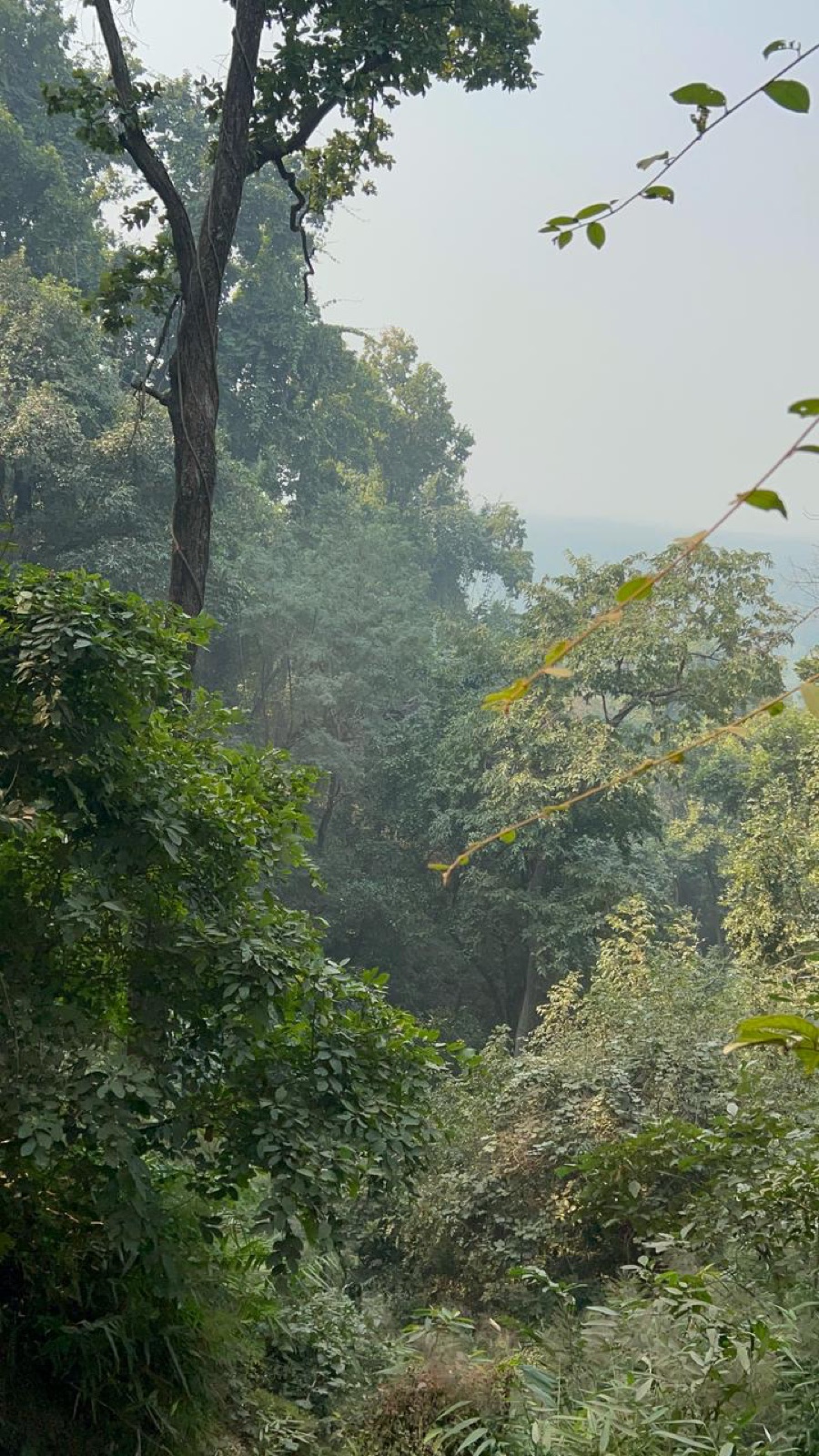
Dense Terai forest and grasslands of Valmiki Tiger Reserve

Photo: Aman8565 / Wikimedia Commons, CC BY 4.0

📍 West Champaran, North Bihar, Bihar

Why visit

Bihar's only tiger reserve and its sole national park, set in the Himalayan Terai forests along the Nepal border. Spread over roughly 900 sq km, it shelters Royal Bengal tigers, leopards, sloth bears, wild elephants, gaur and hundreds of bird species. Jeep safaris from Manguraha and Gobardhana ranges offer a genuine wilderness experience in one of North India's richest, least-crowded jungles.

About

The Valmiki Tiger Reserve (VTR) occupies the north-western tip of West Champaran district, forming the easternmost limit of the Himalayan Terai forests in India. It is Bihar's only tiger reserve and comprises the Valmiki National Park and the Valmiki Wildlife Sanctuary, together covering around 900 sq km. The Gandak (Narayani) river forms its western boundary with Nepal, and the reserve adjoins Nepal's Chitwan National Park, allowing wildlife to move freely across the transboundary landscape.

Wildlife you may encounter:

  • Big cats — Royal Bengal tigers and leopards.
  • Large mammals — wild elephants, gaur (Indian bison), sloth bears, sambar, spotted deer and wild boar.
  • Birdlife — hornbills, peafowl, raptors and numerous woodland and wetland species.

Jeep safaris usually run from the Manguraha and Gobardhana/Valmikinagar ranges, with forest rest houses and eco-lodges available for overnight stays. Safari permits, timings and guide arrangements are managed by the forest department and are best booked in advance.

How to reach

  • By Air: The nearest major airports are Gorakhpur (Uttar Pradesh, 120 km) and Patna (280 km), from where taxis reach the reserve.
  • By Rail: Bagaha and Valmikinagar Road are the closest railway stations; Narkatiaganj and Bettiah are larger railheads connecting to Patna, Gorakhpur and beyond.
  • By Road: The reserve gates at Manguraha and Valmikinagar are reached by road from Bagaha (~40 km) and Bettiah; buses and taxis operate from these towns.

Best time to visit

November to March, when the weather is cool and wildlife sightings are best. The reserve typically remains closed during the monsoon (roughly July–September).

Gallery

Nearby places

← Back to all places