
 Hindu Temples
Bihar Tourism by District
23 districts
Araria (1)Aurangabad (1)Begusarai (2)Bhagalpur (2)Darbhanga (2)East Champaran (1)Gaya (8)Jamui (1)Jehanabad (1)Kaimur (4)Katihar (1)Madhubani (3)Munger (3)Muzaffarpur (1)Nalanda (6)Nawada (1)Patna (15)Purnia (1)Rohtas (5)Saran (2)Sitamarhi (1)Vaishali (1)West Champaran (3)
Araria
Hindu Temples Aurangabad
Begusarai
 Wildlife & Sanctuaries
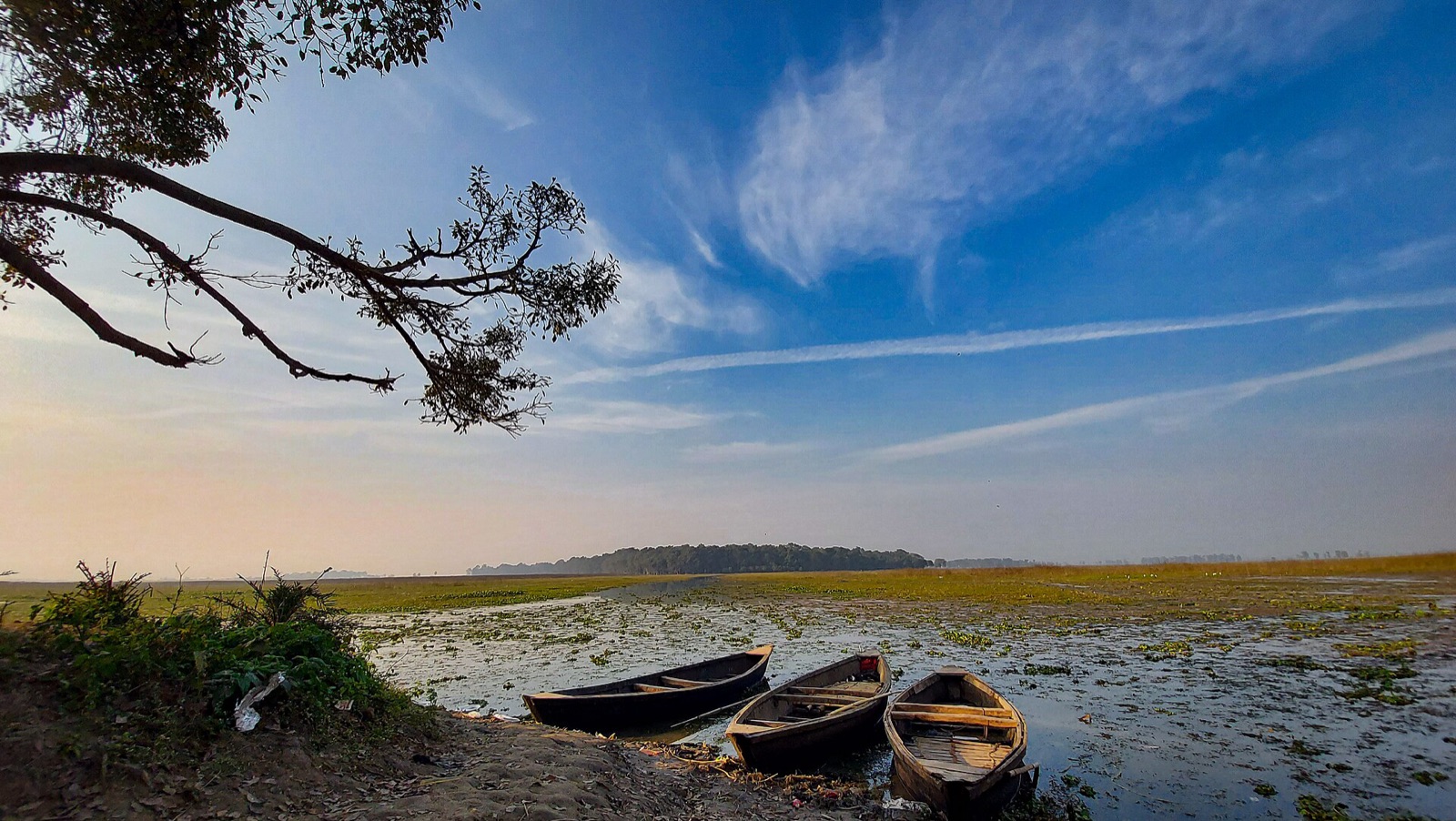
Kanwar Taal (Kabartal) Bird Sanctuary
Asia's largest freshwater oxbow lake and Bihar's first Ramsar site, a shimmering wetland near Manjhaul in Begusarai. In winter it hosts tens of thousands of migratory waterbirds along the Central Asian Flyway, with over 200 bird species recorded. A paradise for birdwatchers and photographers, best explored by boat at dawn.
 Rivers & Ghats
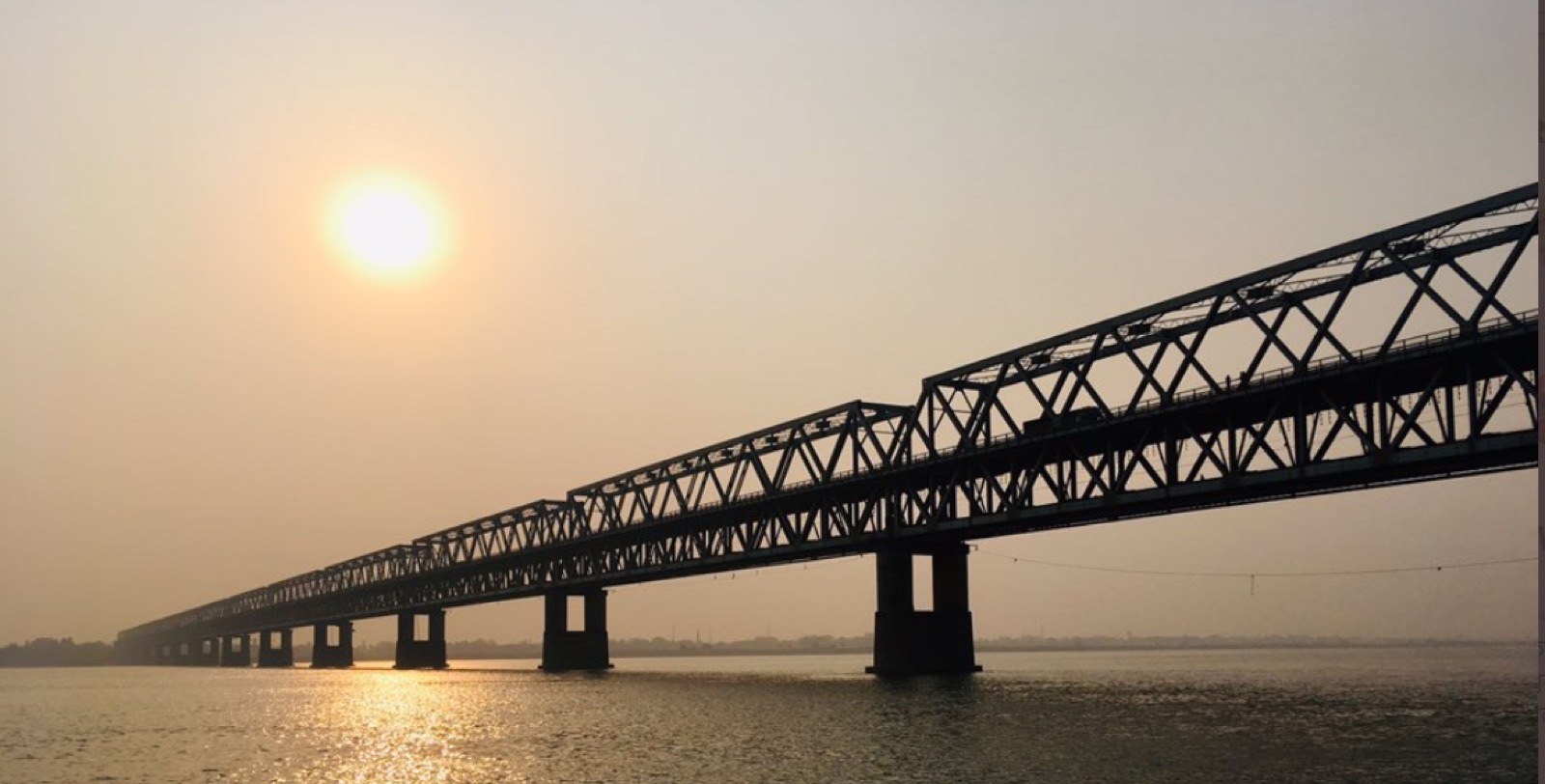
Simaria Dham, Ganga Ghat
A revered Ganga pilgrimage ghat near Barauni in Begusarai, believed to be the tapobhumi of King Janaka of Mithila. Every year it hosts a monthlong Kalpvas Mela on the riverbank, drawing thousands of devotees for ritual bathing and austerity. It is also the birthplace of the great Hindi poet Ramdhari Singh 'Dinkar', adding literary pride to its spiritual fame.
Bhagalpur
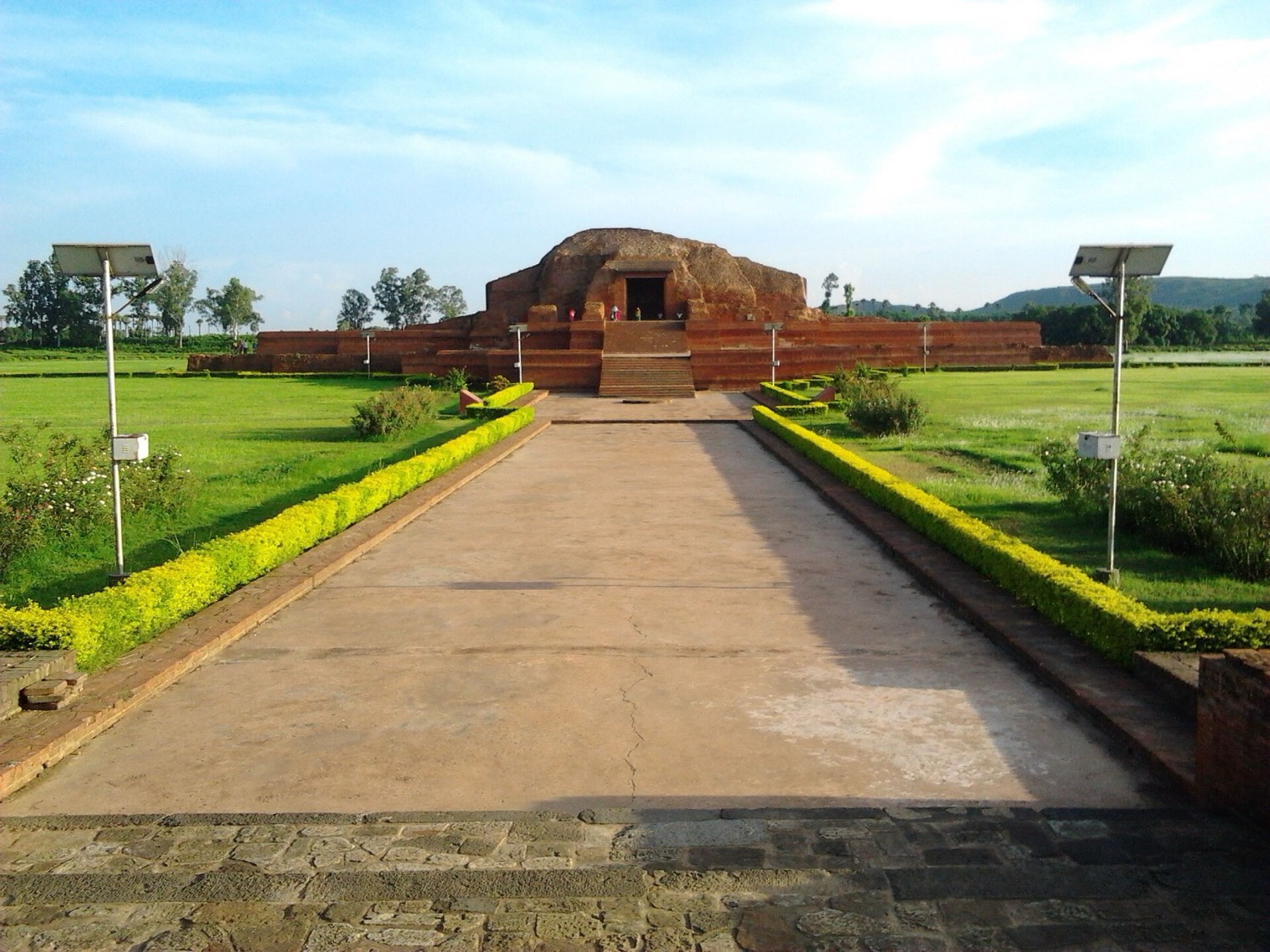 Historical & Ruins
Vikramshila Ruins
Vikramshila was one of the two greatest Buddhist universities of ancient India, alongside Nalanda, founded by the Pala king Dharmapala in the late 8th century. It was a leading centre of Tantric Buddhism and produced renowned scholars such as Atisha Dipankara, who carried Buddhism to Tibet. Its imposing cruciform stupa and grid of monk cells, set beside the Ganga, make it a quiet, evocative heritage site.
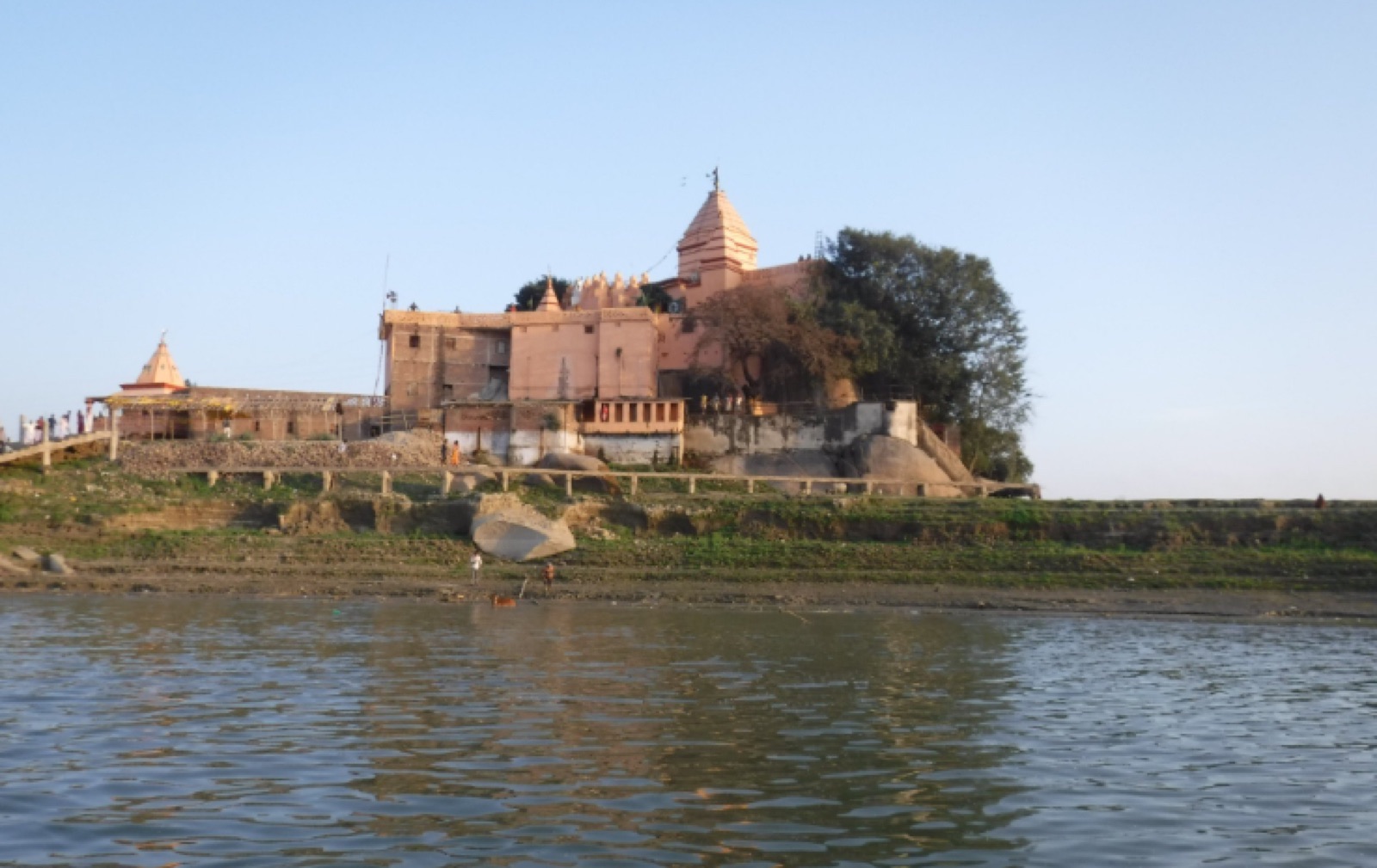 Hindu Temples
Ajgaibinath Temple, Sultanganj
An ancient Lord Shiva temple perched dramatically on a rock island in the middle of the Ganga at Sultanganj. It is the starting point of the famous Shravani Mela, when saffronclad Kanwariyas collect holy Ganga water here and carry it on foot to Baidyanath Dham in Deoghar, about 100 km away. The rock is carved with ancient sculptures and inscriptions.
Darbhanga
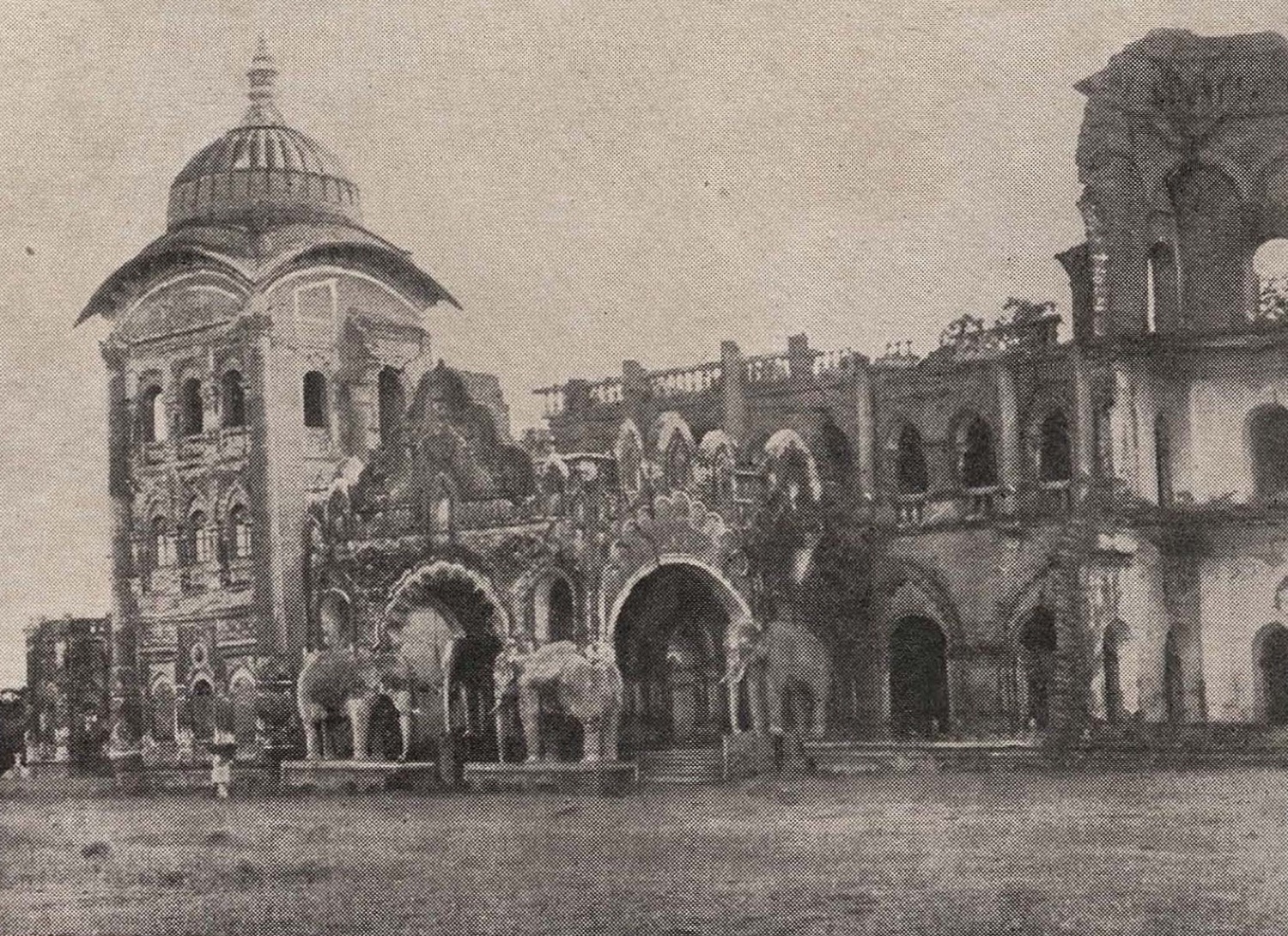 Forts & Palaces
Darbhanga Raj / Rambagh Palace
The historic fort and palace complex of the Darbhanga Raj — one of the largest zamindari estates of British India. Set within walled grounds, it includes the old Ram Bagh Palace along with Anand Bagh and Nargona palaces. A symbol of Mithila's royal heritage, its grand architecture reflects the wealth and cultural patronage of the Maharajas of Darbhanga.
🐅
Wildlife & Sanctuaries Kusheshwar Asthan Bird Sanctuary
A seasonally flooded wetland in Darbhanga's Kusheshwar Asthan block, fed by overflow from the Kamla river. Each winter it becomes a refuge for thousands of migratory birds flying in from Mongolia and Siberia, including several threatened species. Notified in 1994, it is one of North Bihar's important havens for waterfowl.
East Champaran
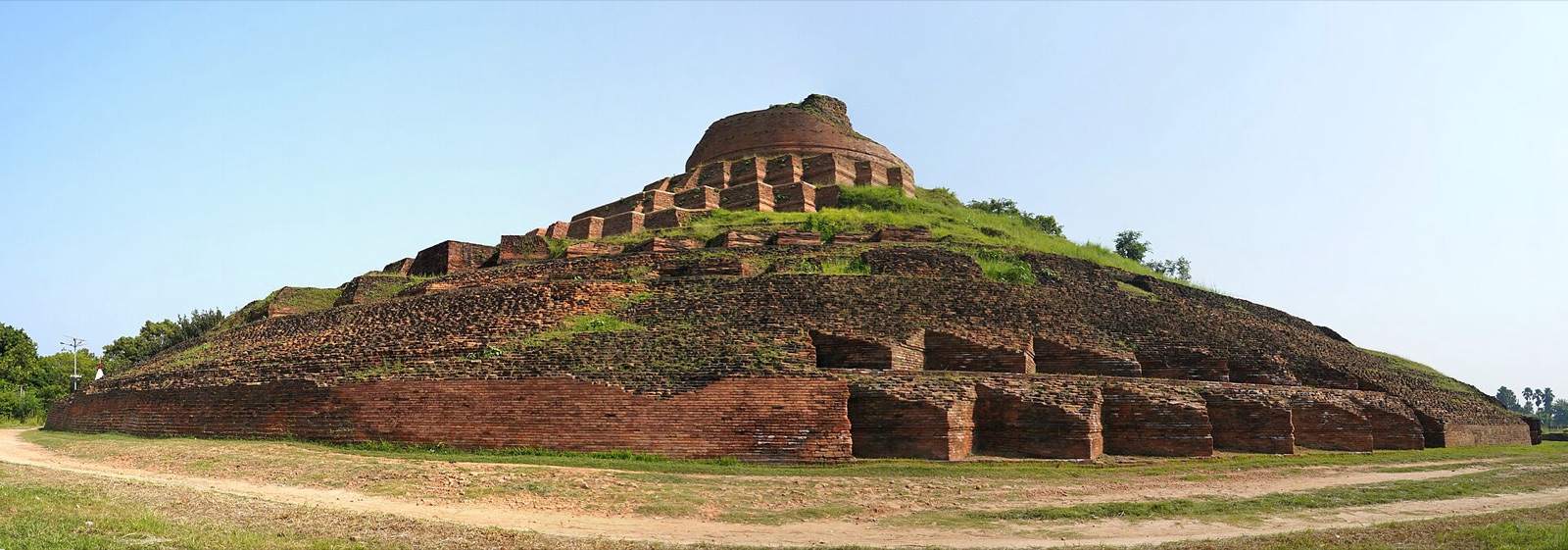
Gaya
 Buddhist Circuit
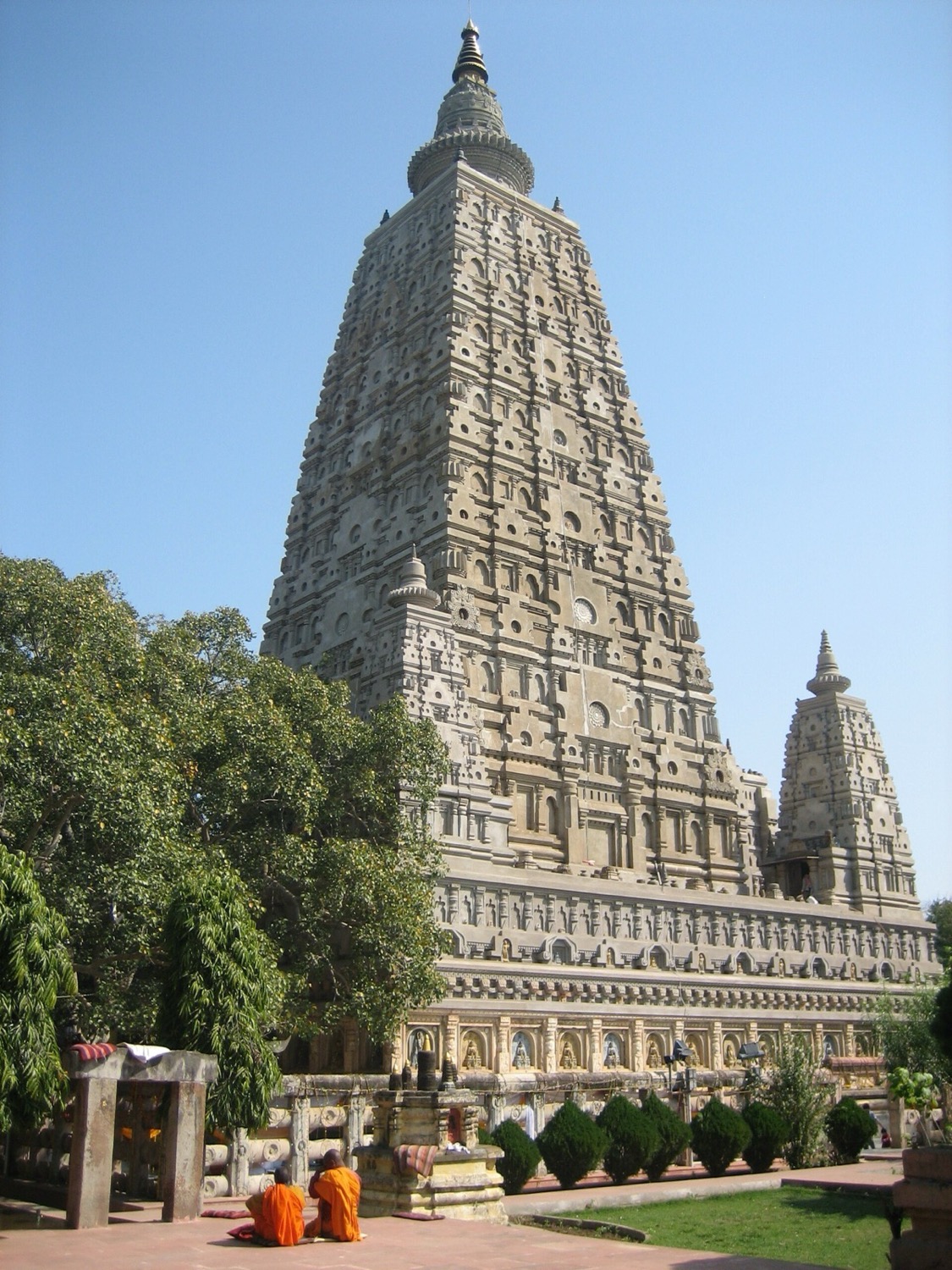
Mahabodhi Temple, Bodh Gaya
The holiest site in Buddhism — the exact spot where Prince Siddhartha attained enlightenment and became the Buddha, beneath the sacred Bodhi Tree. A UNESCO World Heritage Site with a soaring 55 m pyramidal tower and a deeply peaceful, meditative atmosphere drawing pilgrims from across the world.
 Hindu Temples
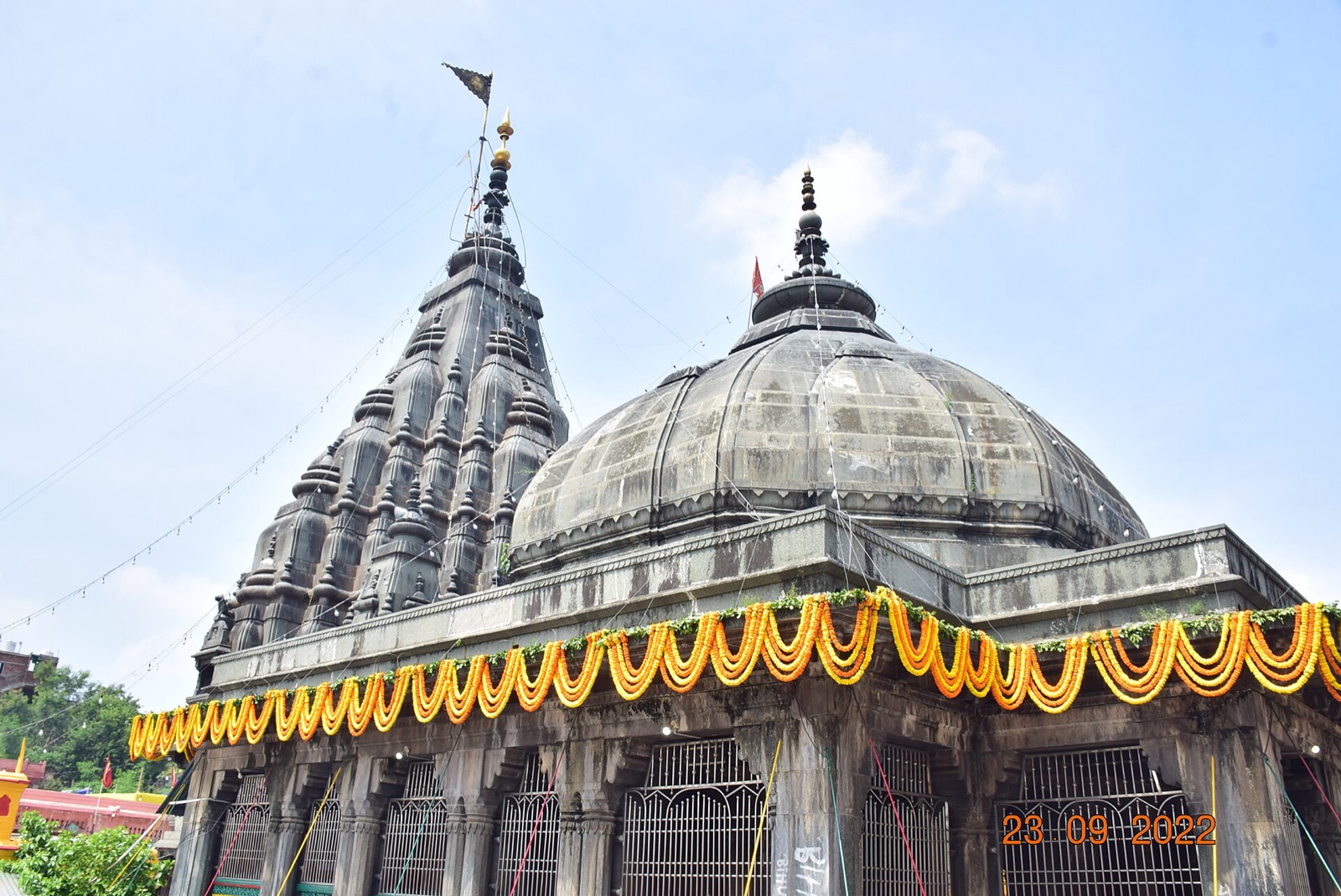
Vishnupad Temple, Gaya
One of the holiest Hindu pilgrimage sites in Bihar, enshrining a 40cm footprint of Lord Vishnu (Dharmasila) imprinted in basalt rock. Gaya is the foremost centre for Pind Daan — ancestral rites for the salvation of departed souls — drawing lakhs of devotees, especially during Pitru Paksha. The present 30 m octagonalspired temple was rebuilt by Rani Ahilyabai Holkar of Indore in 1787 on the bank of the Falgu river.
 Buddhist Circuit
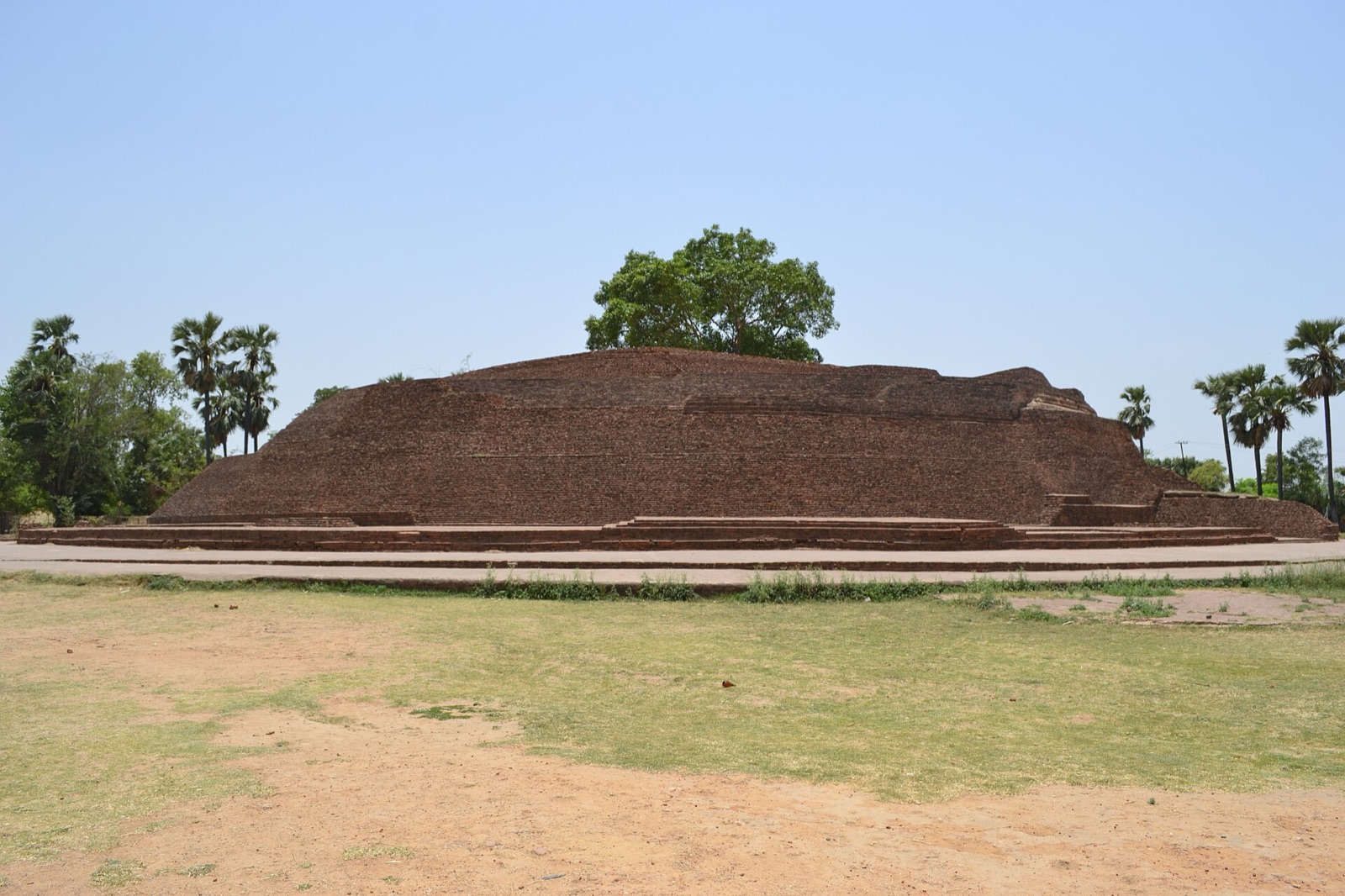
Sujata Stupa
Just across the Falgu river from Bodh Gaya, the Sujata Stupa honours the village girl Sujata, whose offering of milkrice ended the Buddha's years of extreme fasting and set him on the middle path to enlightenment. This large ancient brick stupa marks the traditional site of her house and is a serene, lesscrowded spot within the Bodh Gaya pilgrimage circuit. It offers a peaceful rural counterpoint to the busy Mahabodhi complex.
 Hindu Temples
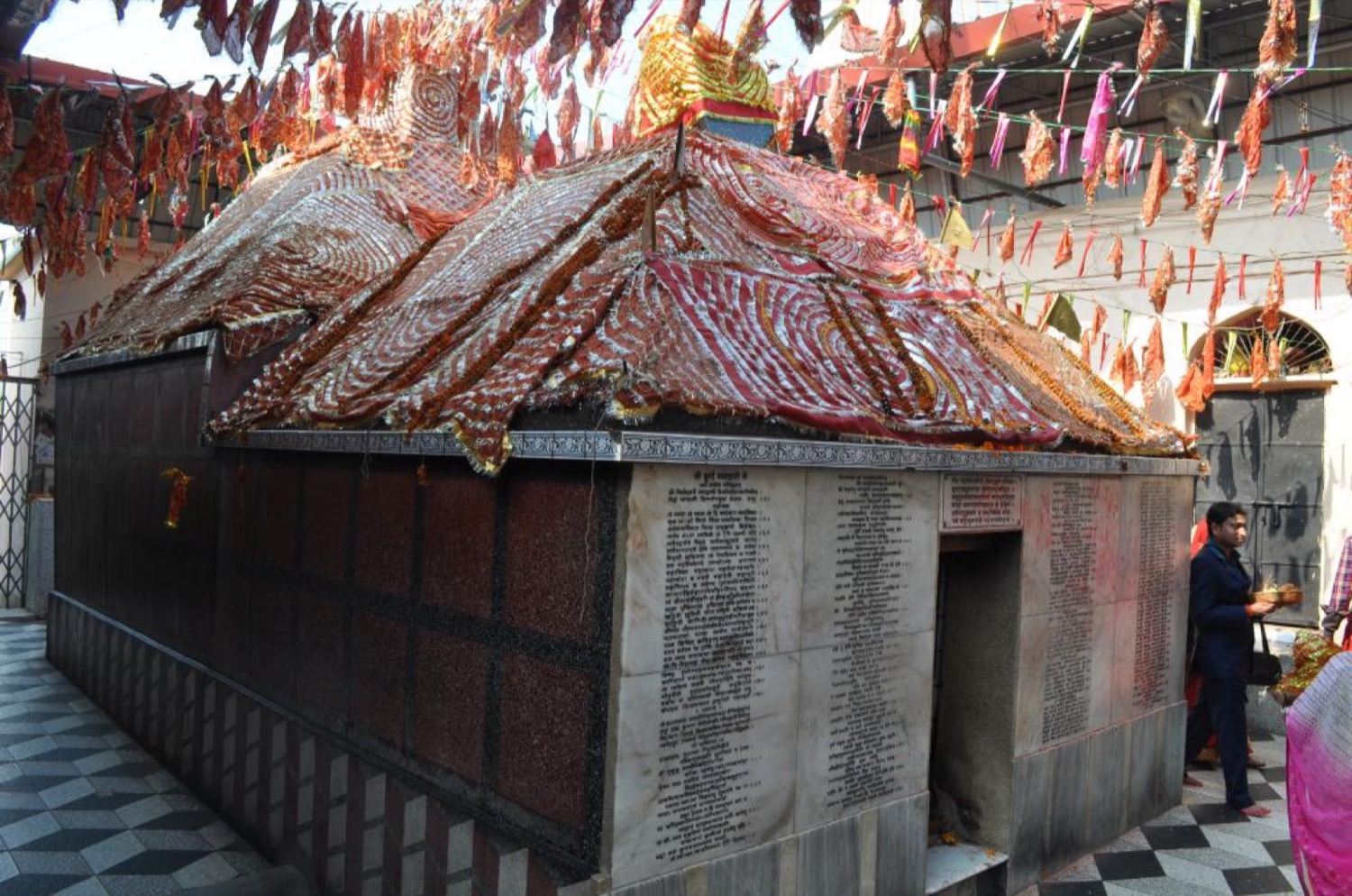
Mangla Gauri Shaktipeeth, Gaya
An ancient Shakti Peeth atop the Mangalagauri hill (Bhasmakoot Parvat) in Gaya, counted among the eighteen Maha Shakti Peethas. The goddess is worshipped in the symbolic form of a breast, believed to be the spot where part of Sati's body fell. The present eastfacing temple dates to 1459 CE and is mentioned in several Puranas, making it a deeply venerated pilgrimage site.
 Fairs & Festivals
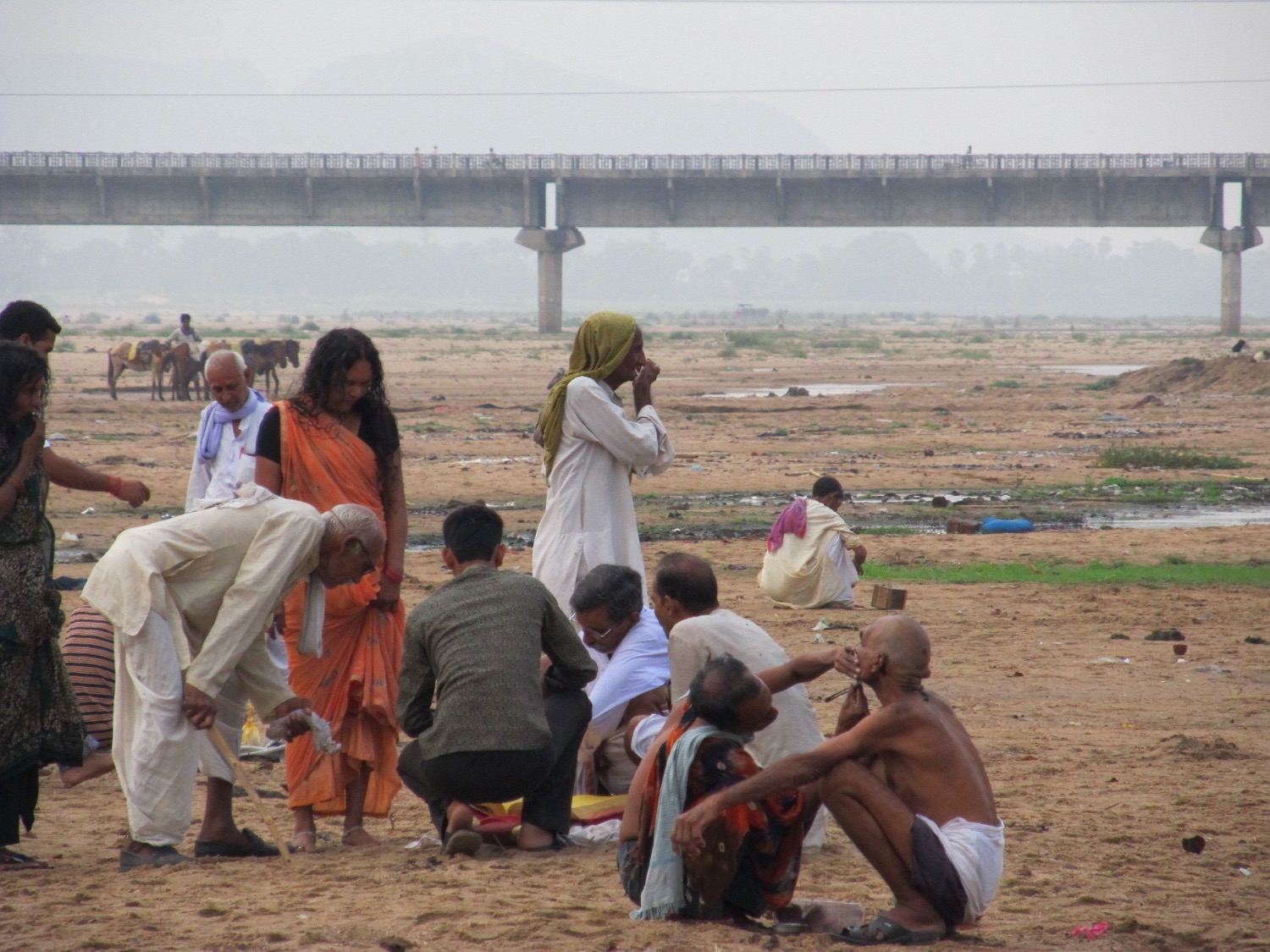
Gaya Ji Pind Daan & Pitrapaksha Mela
Gaya is India's foremost site for Pind Daan — the Hindu ritual of offering homage to departed ancestors. During the annual Pitrapaksha Mela, lakhs of pilgrims gather to perform Shraddha at the Falgu river and worship at the historic Vishnupad Temple, making it one of the most significant ancestralrite pilgrimages in the country.
 Hills & Viewpoints
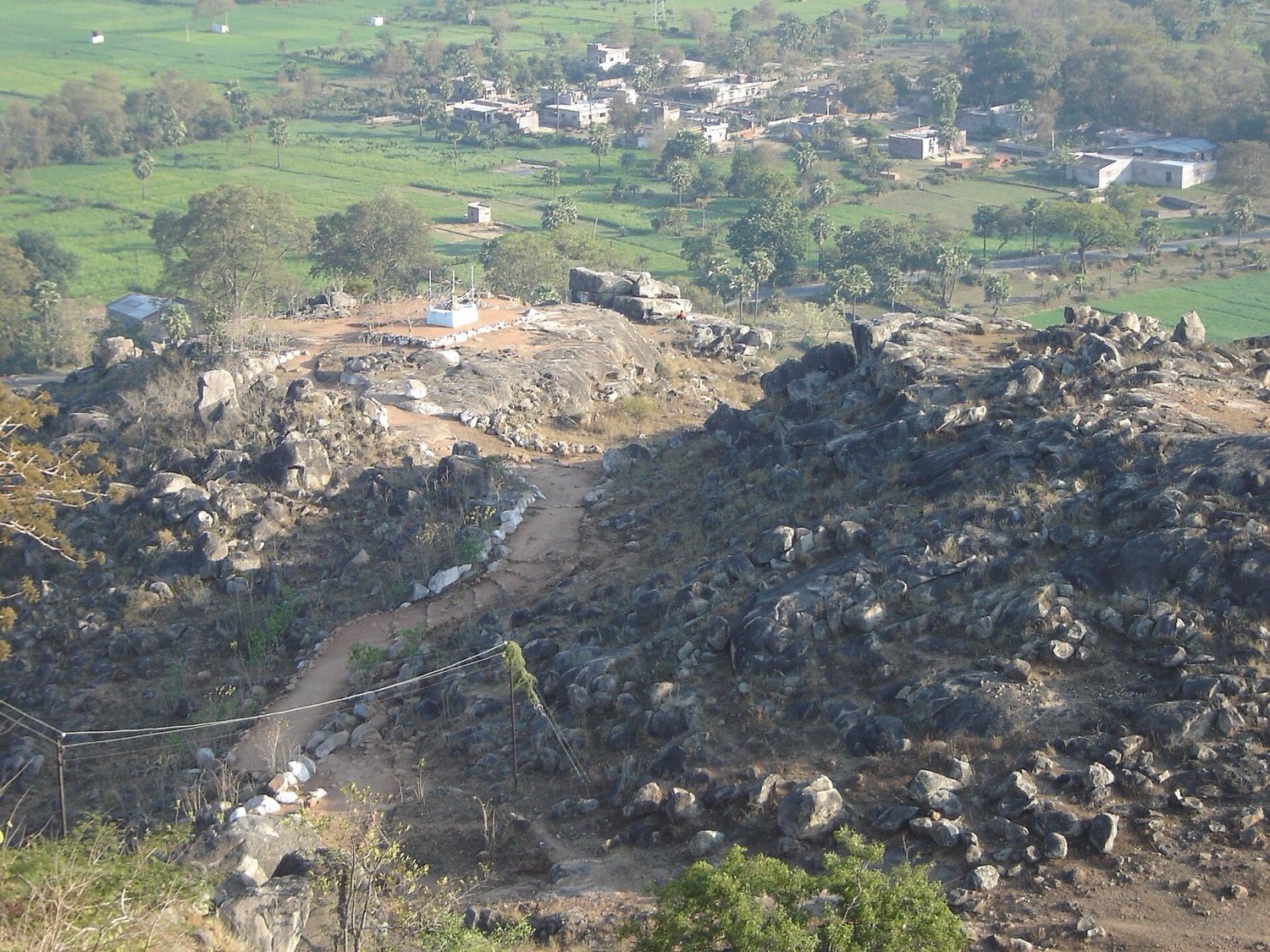
Brahmayoni Hill, Gaya
A sacred hill rising to the south of Gaya, reached by a flight of around 424 steps and crowned by temples with sweeping views over the city. Named after a natural cleft on its summit revered as the 'yoni' of Brahma, it is an important site for pind daan during the Pitrapaksha Mela. The Buddha is also traditionally said to have preached here.
⛰️
Hills & Viewpoints Pretshila Hill, Gaya
A sacred hill north of Gaya whose name means 'Hill of Spirits,' crowned by the Ahilya Bai temple built by Maratha queen Ahilya Bai Holkar in 1787. At its base lies Brahma Kund, where pilgrims bathe before performing pind daan for their ancestors. The summit offers wide views over the Gaya landscape.
🐅
Wildlife & Sanctuaries Gautam Buddha Wildlife Sanctuary
A rugged forest sanctuary in the hills of southern Gaya district, straddling the Bihar–Jharkhand border. Its sal woodlands and thorn forests shelter leopards, sloth bears, nilgai, deer, wolves and a wealth of birdlife. Established in 1976, it is a quiet, offbeat retreat for nature lovers exploring beyond Bodh Gaya.
Jamui
Jehanabad
Kaimur
 Hindu Temples
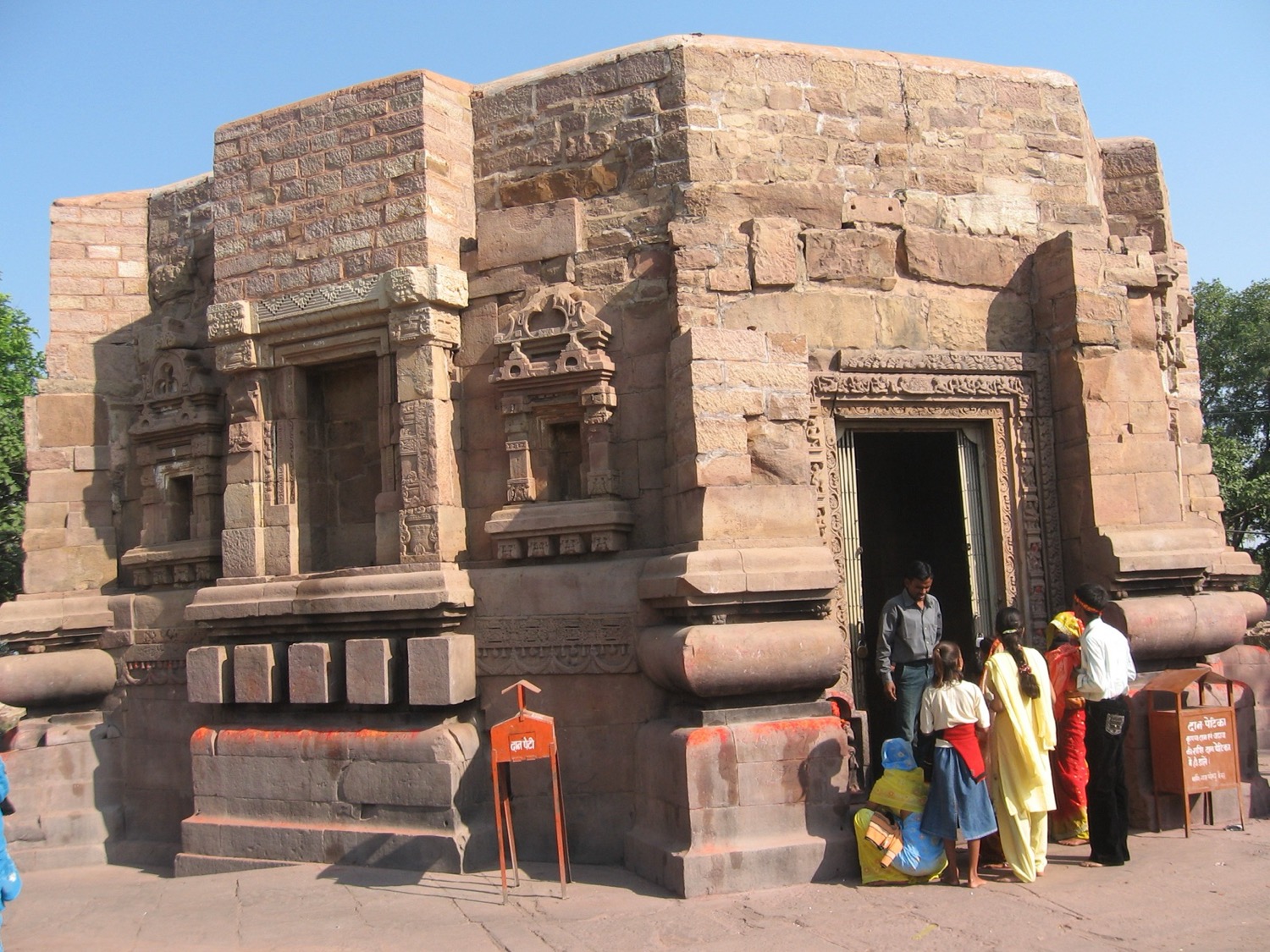
Mundeshwari Devi Temple, Kaimur
Considered one of the oldest functional Hindu temples in India, the Archaeological Survey of India dates it to around 108 CE. This unusual octagonal stone shrine on the Kaimur plateau is dedicated to Goddess Mundeshwari (a form of Durga) and Lord Shiva, and is a prized example of early Nagarastyle architecture. It is famed for a bloodless animalworship ritual where offerings are 'sacrificed' by touch alone.
 Nature & Waterfalls
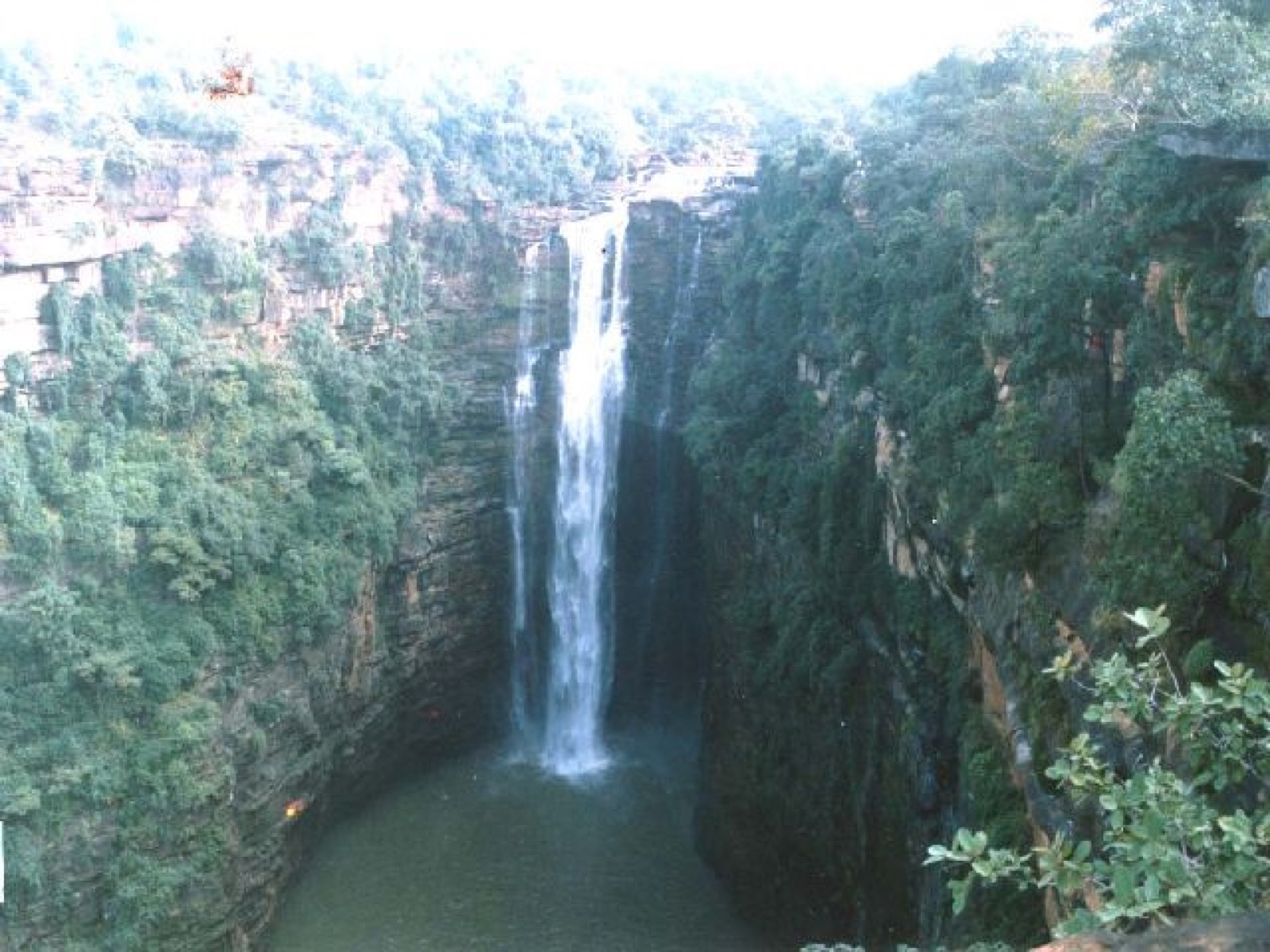
Telhar Kund Waterfall
A dramatic waterfall in the Kaimur hills where water plunges around 80 metres into a deep rocky gorge, framed by dense forest. Reached along the scenic Bhabua–Adhaura road, it is a hidden gem for nature lovers and trekkers seeking solitude. The viewpoint offers sweeping views of the falling water and surrounding valley.
 Nature & Waterfalls
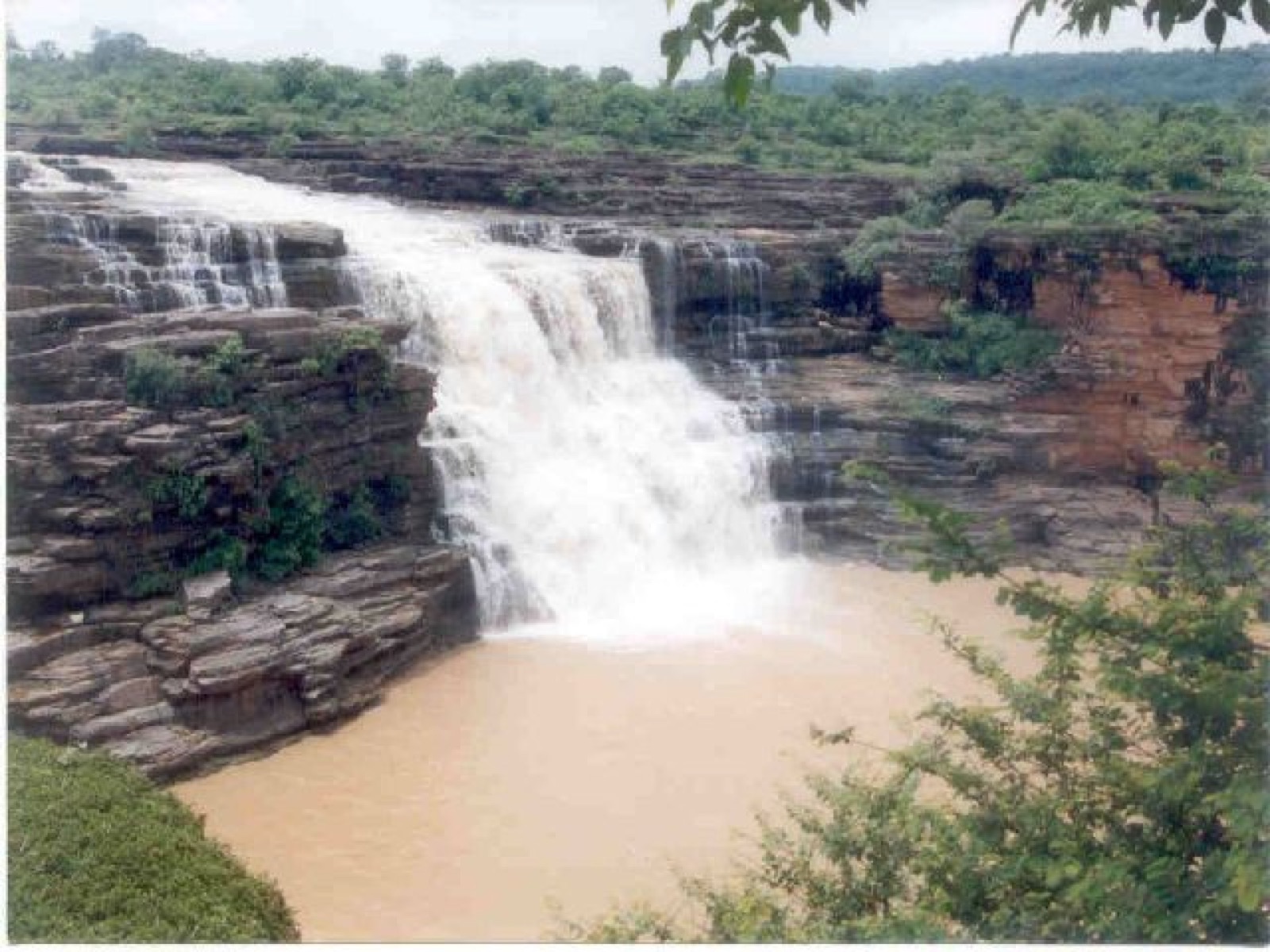
Karkatgarh Waterfall
A wide, multitiered cascade on the Karmanasa river, roughly 100 feet high and up to 300 feet across, near the Bihar–Uttar Pradesh border. The pools below are a natural habitat for crocodiles, and Bihar is developing the area as a crocodile conservation and ecotourism site. Its forested setting in the Kaimur hills makes it a peaceful, scenic getaway.
 Hills & Viewpoints
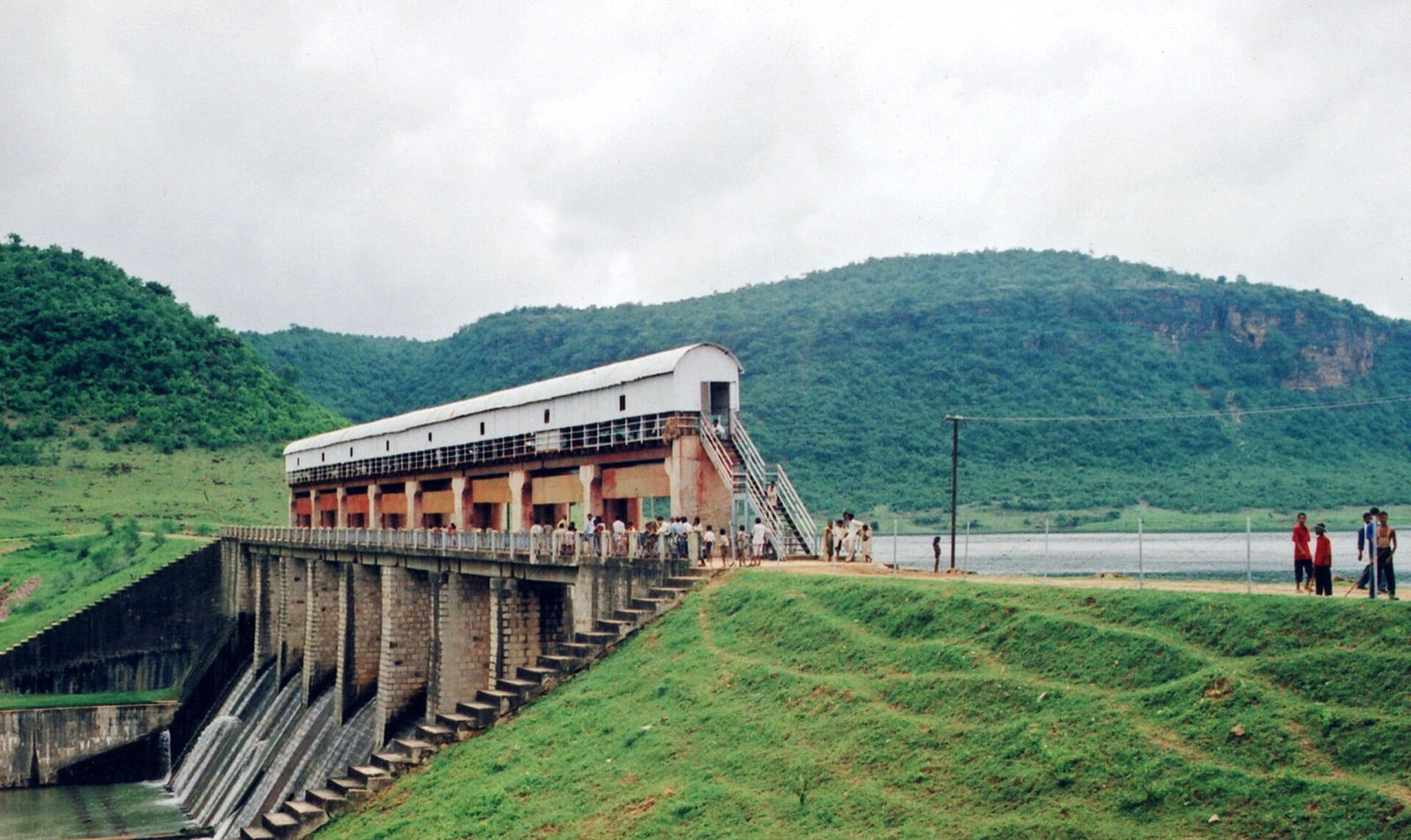
Kaimur Hills & Rohtas Plateau
The eastern end of the Vindhya range, where the Kaimur hills and Rohtas plateau rise about 2,000 feet above the plains in a sweep of forest, waterfalls and dramatic viewpoints. The plateau town of Adhaura and its surrounding forests are a cool, scenic retreat. The region hides ancient rock art, wildlife and several of Bihar's best waterfalls.
Katihar
Madhubani
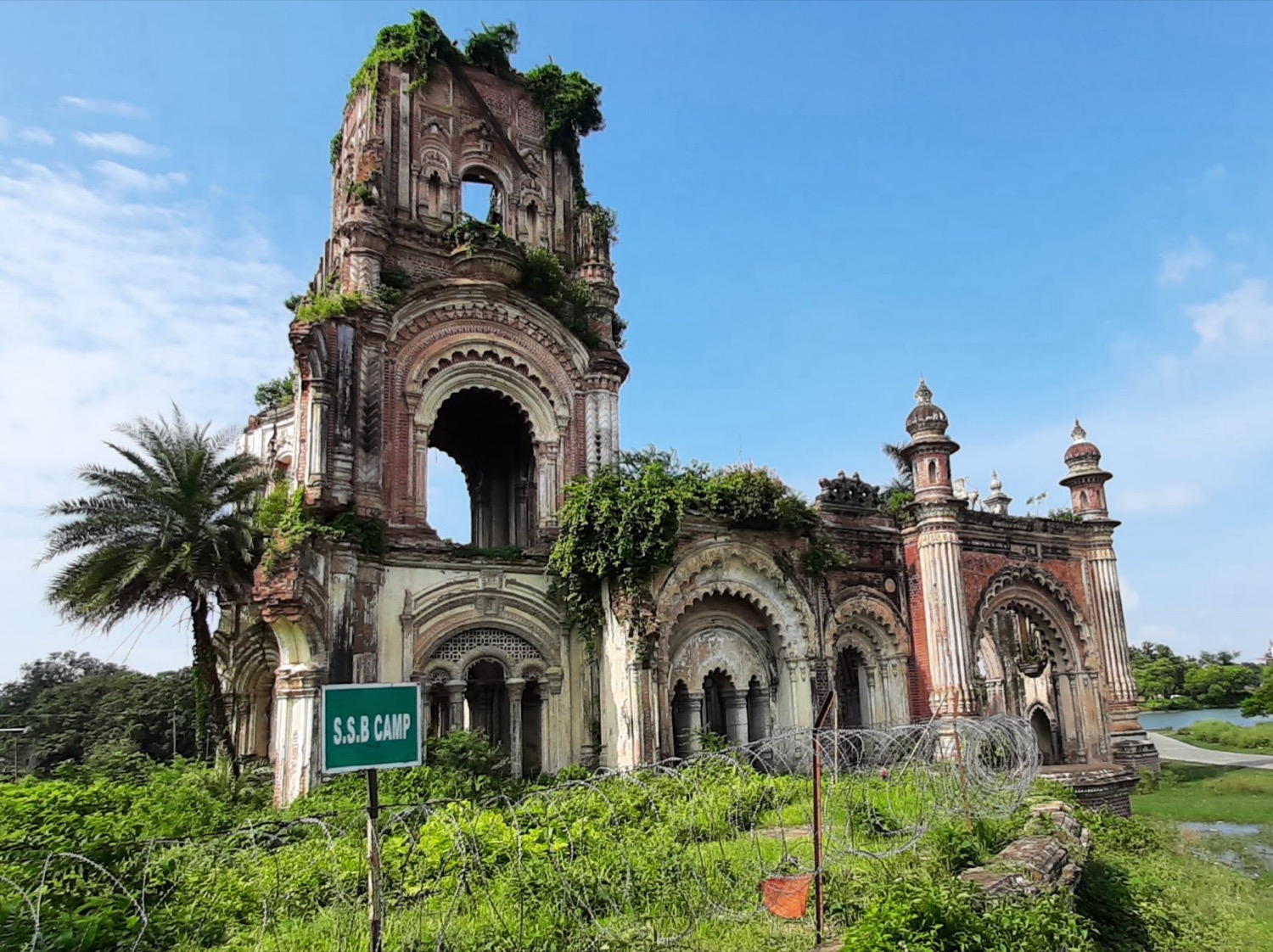 Forts & Palaces
Navlakha Palace, Rajnagar
The grand, nowruined royal palace of the Darbhanga Raj at Rajnagar, near Madhubani, built by Maharaja Rameshwar Singh in the late 19th and early 20th centuries. Spread over a huge estate with palaces and temples, it once rivalled the finest architecture of its time. Devastated by the 1934 Bihar–Nepal earthquake, its majestic ruins still evoke Mithila's royal grandeur.
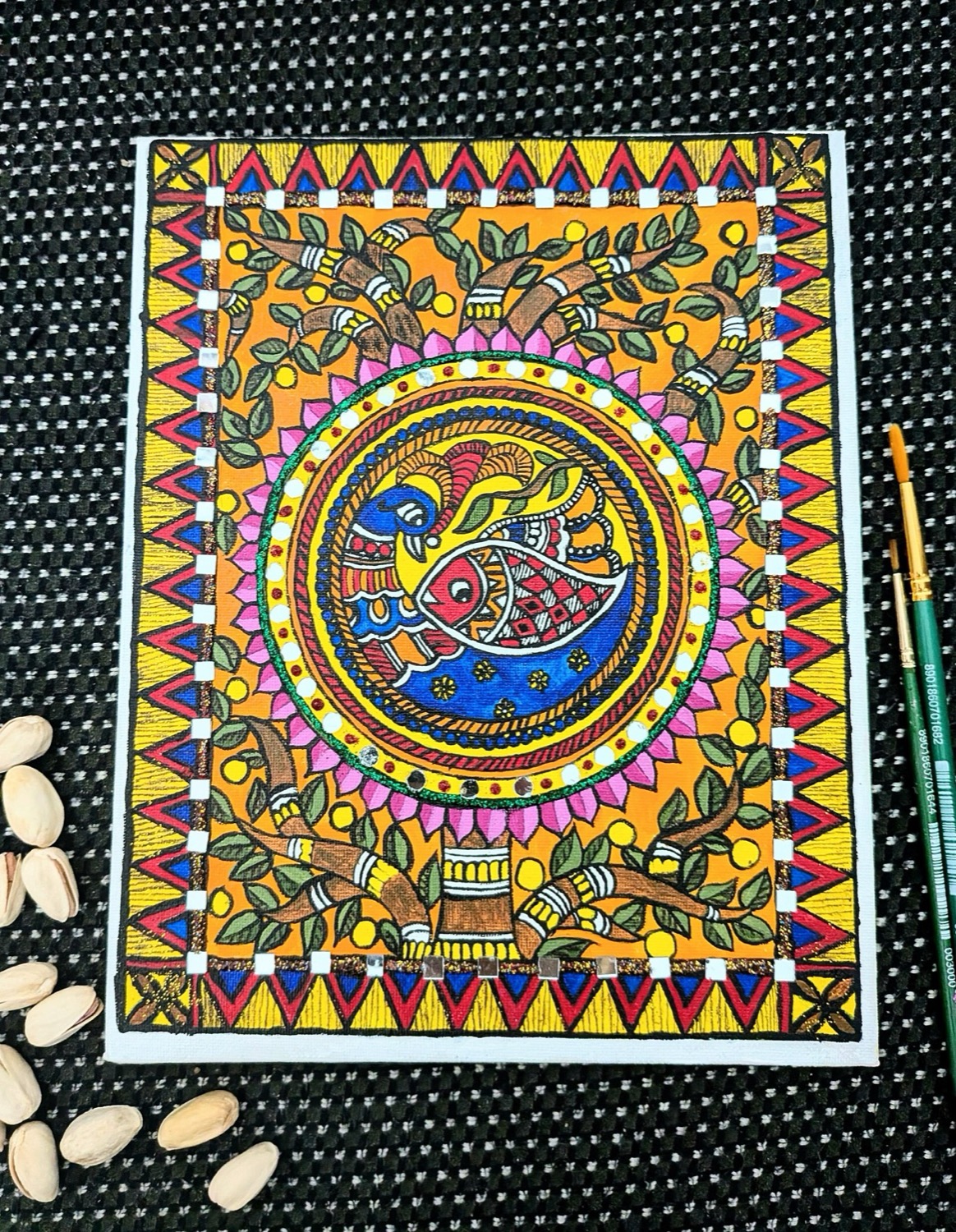 Fairs & Festivals
Madhubani: Mithila Painting Region
The heartland of Madhubani (Mithila) painting, a centuriesold folk art tradition of the Mithila region carried on largely by women. Recognised with a Geographical Indication (GI) tag in 2007, the art comes alive in villages like Jitwarpur and Ranti, where you can meet artists, watch them work and buy authentic paintings direct from their makers.
🛕
Hindu Temples Uchaith Bhagwati Temple
A revered Shakti shrine near Benipatti in Madhubani, home to an unusual headless form of Goddess Durga (Chhinnamastika). Local tradition holds that the great poet Kalidasa was blessed with knowledge and wisdom here. A Siddhapeeth drawing devotees and seekers, it is especially crowded during Navratri and Durga Puja.
Munger
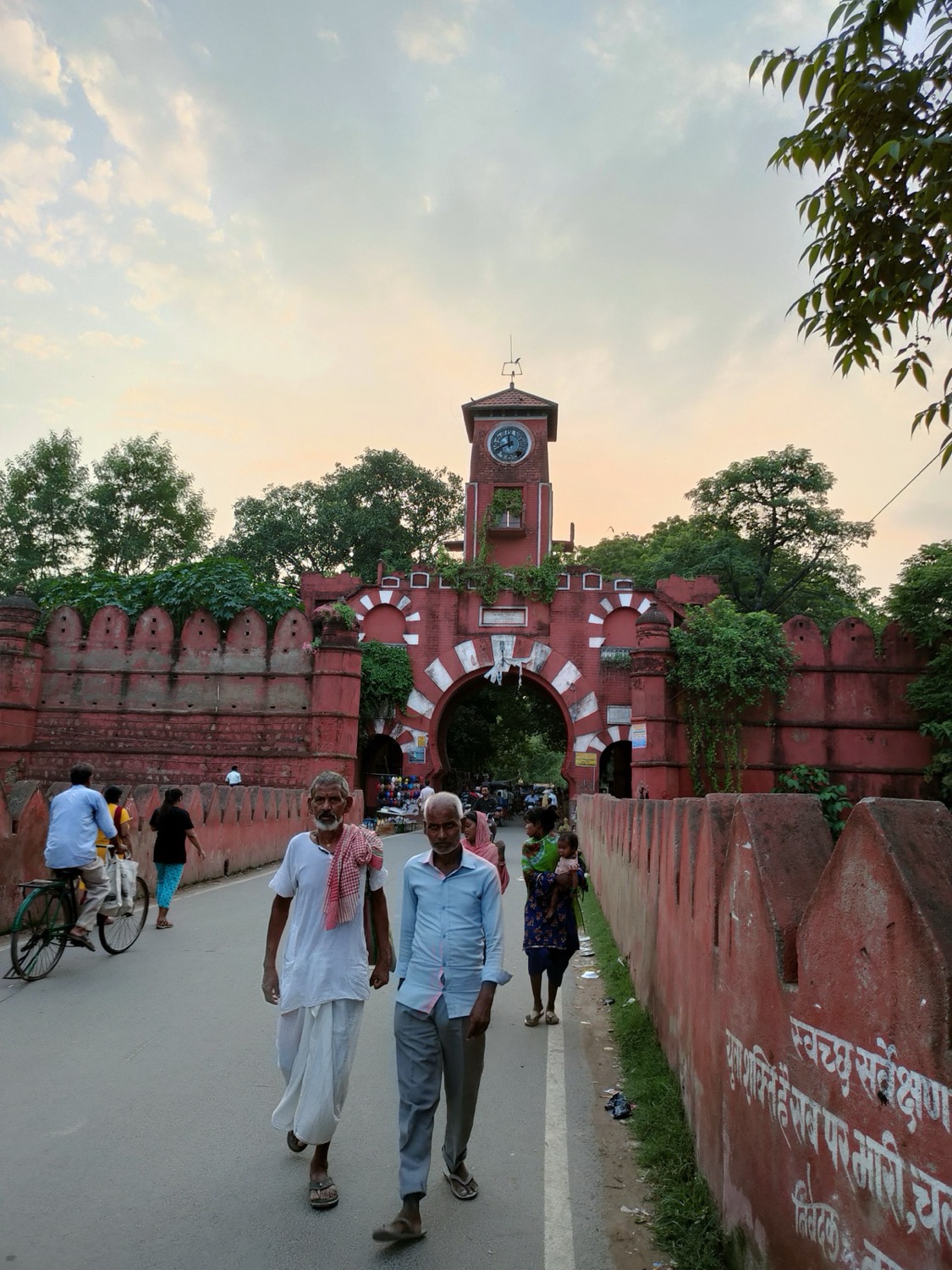 Forts & Palaces
Munger Fort
A historic riverside fort on the south bank of the Ganga, built across a rocky projection and once a stronghold of medieval rulers. It served as a base for Mir Qasim, the Nawab of Bengal, in the 18th century. Within its walls lie old gateways, palaces, tombs and colonialera buildings alongside fine views of the river.
🏞️
Nature & Waterfalls Sita Kund Hot Spring, Munger
A revered natural hot spring near Munger, linked in legend to Sita's fire ordeal (agni pariksha) from the Ramayana. The main warm spring is surrounded by cooler pools named Ram, Lakshman, Bharat and Shatrughna Kund. Its geothermal waters are believed to have healing properties, drawing pilgrims and visitors alike.
🐅
Wildlife & Sanctuaries Bhimbandh Wildlife Sanctuary & Hot Springs
A large wildlife sanctuary in the hills of southern Munger district, famous for its cluster of natural hot springs — among the hottest in Bihar at 52–65 °C. Dense forest shelters leopards, deer, wild boar and rich birdlife. The remote, unspoilt setting makes it a rewarding destination for wildlife and nature enthusiasts.
Muzaffarpur
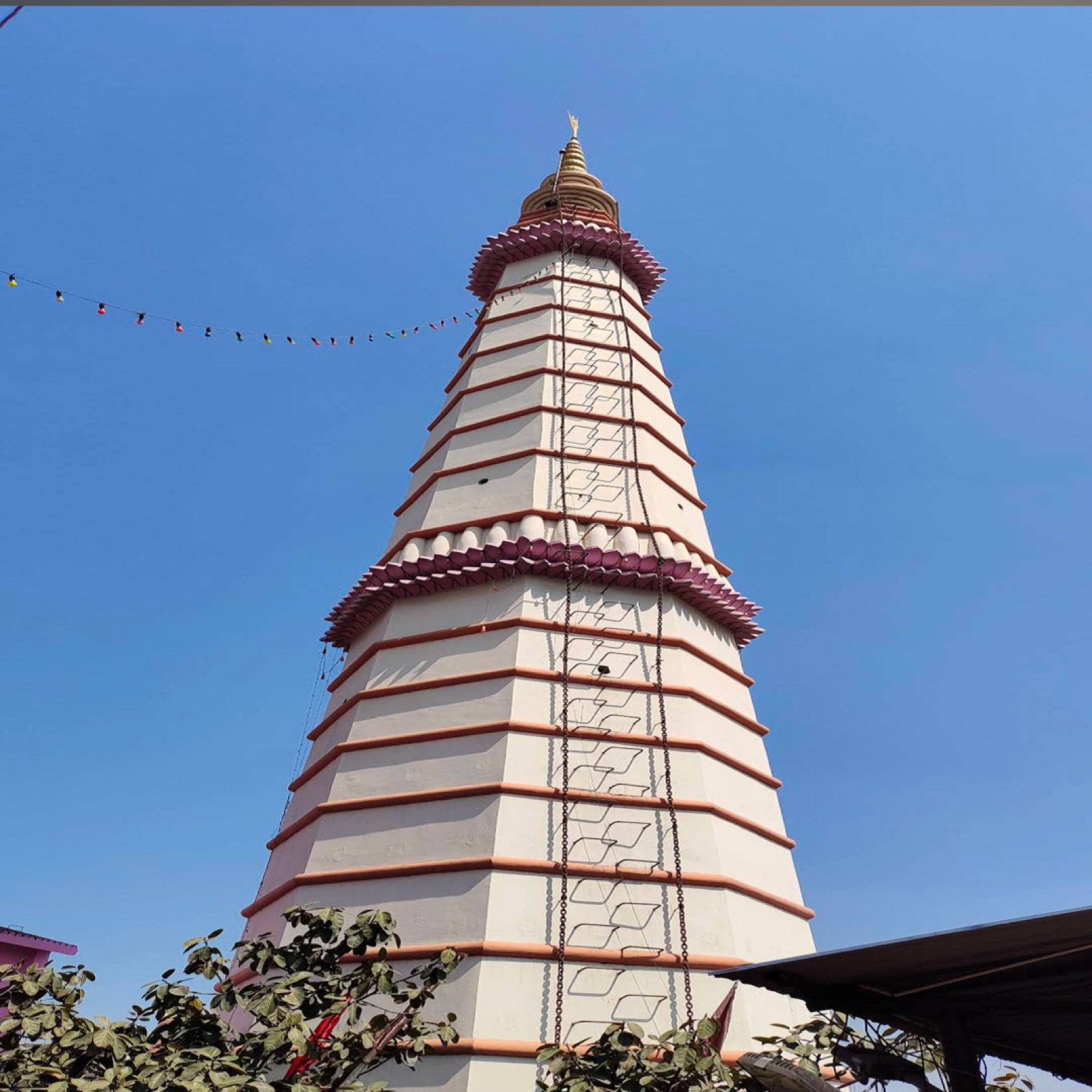
Nalanda
 Historical & Ruins
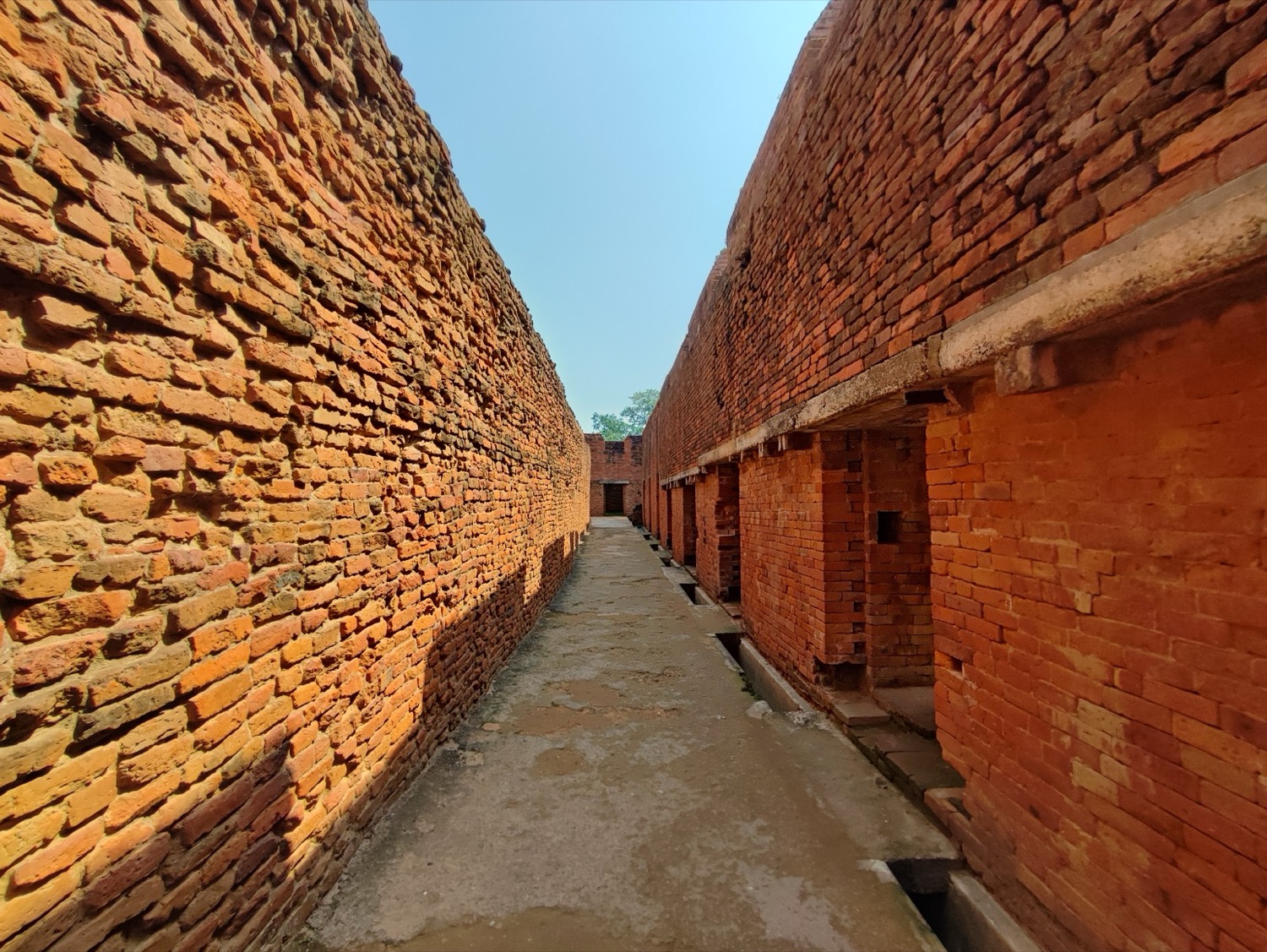
Nalanda University Ruins
One of the world's oldest residential universities, Nalanda flourished from the 5th to the 12th century CE and once hosted thousands of monks and scholars from across Asia. A UNESCO World Heritage Site, its vast redbrick ruins of monasteries, temples and the towering Sariputta Stupa evoke the golden age of Buddhist learning. Walking its neat rows of monk cells and lecture halls is a moving journey into India's intellectual past.
 Buddhist Circuit
Rajgir
Cradled by seven hills, Rajgir was the first capital of the mighty Magadha empire and a place sacred to Buddhists, Jains and Hindus alike. The Buddha spent many rainy seasons here preaching on Gridhakuta (Vulture's Peak), and Mahavira too taught in these hills. Today its hot springs, cyclopean walls, ropeway and glass bridge make it one of Bihar's most rewarding destinations.
 Buddhist Circuit
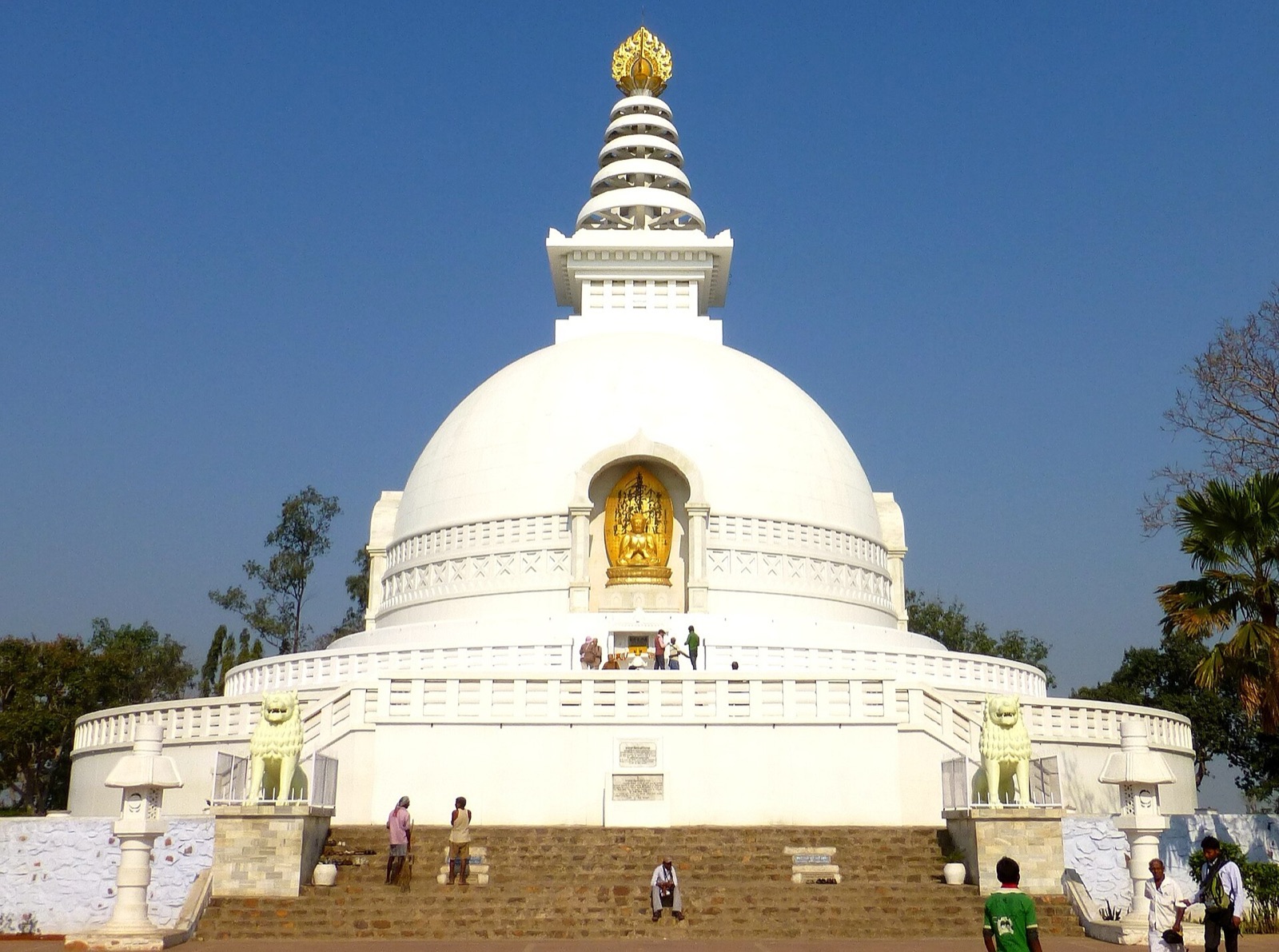
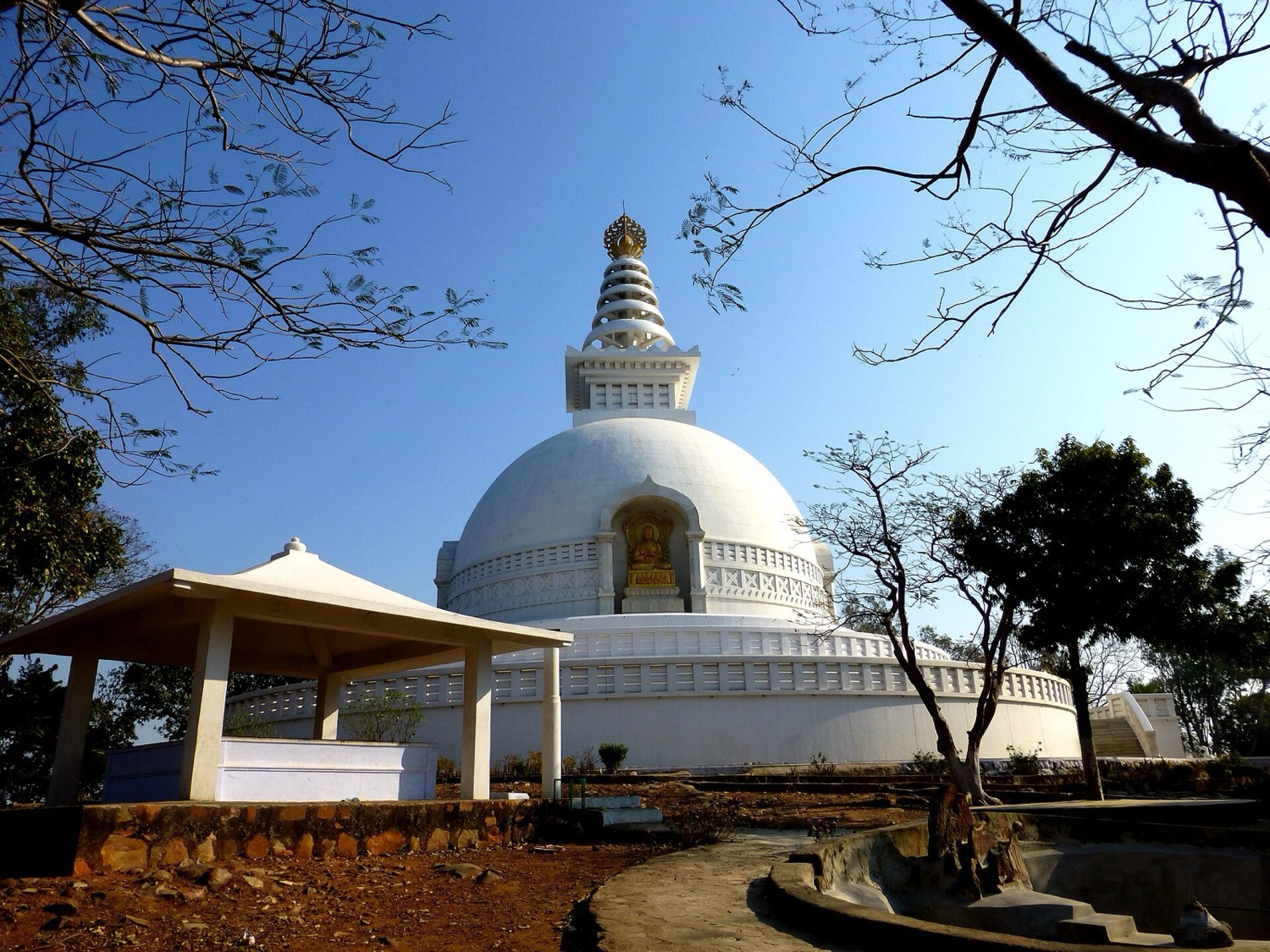
Vishwa Shanti Stupa & Ropeway, Rajgir
Perched on Ratnagiri Hill, this gleaming white marble peace pagoda is one of Rajgir's most iconic sights, offering sweeping views over the surrounding hills. Built by the Japanese Buddhist NipponzanMyohoji order, its four golden Buddha statues face the cardinal directions in serene calm. Reaching it by the singleseat chairlift ropeway is a memorable experience in itself.
 Jain Sites
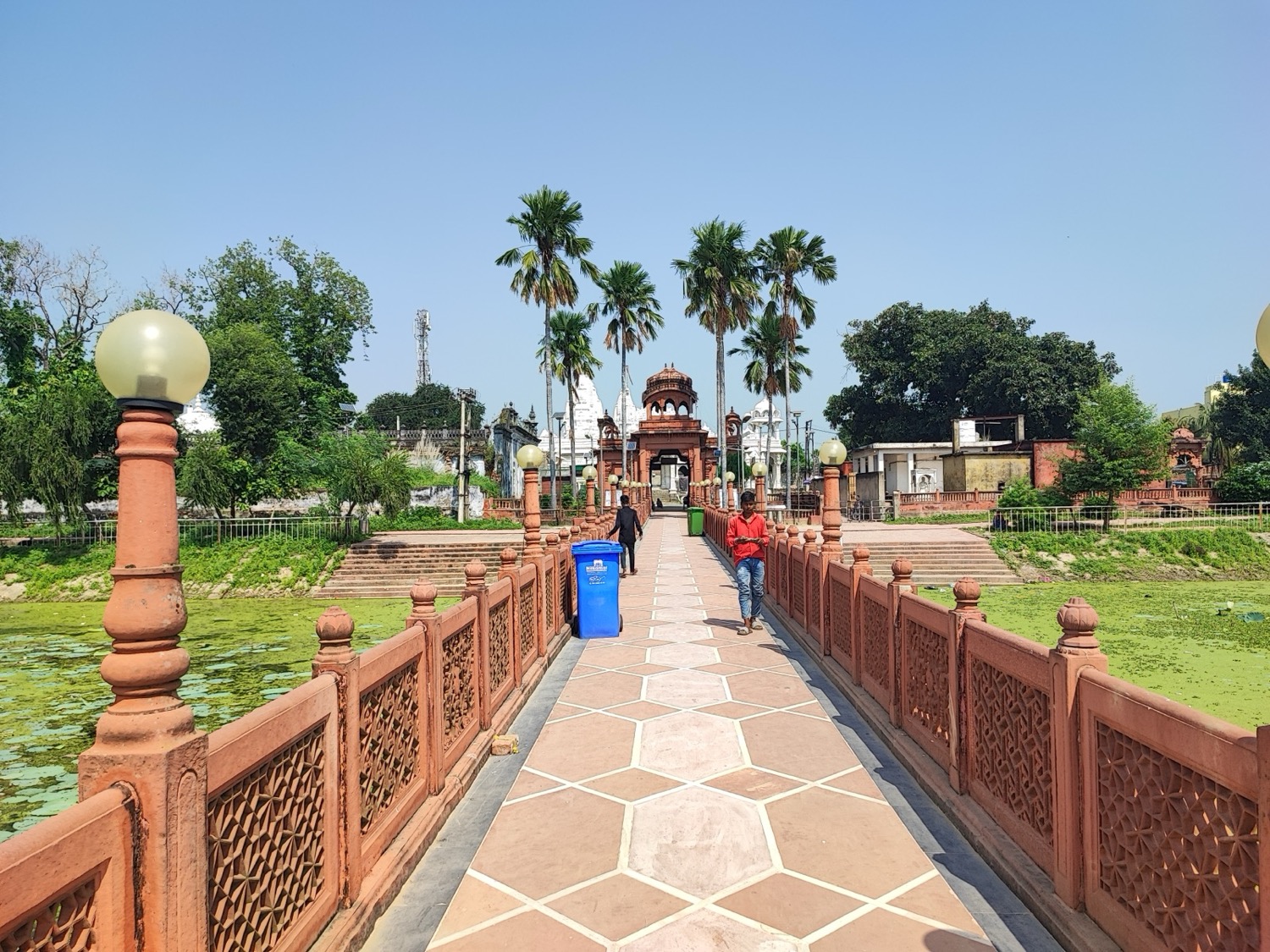
Pawapuri Jal Mandir
Pawapuri is one of the holiest sites in Jainism, the place where Lord Mahavira attained Nirvana (moksha) and was cremated. The exquisite white marble Jal Mandir rises from the centre of a serene lotusfilled tank, reached by a long walkway across the water. The tank is believed to have formed where devotees took away soil after Mahavira's cremation, making it a deeply revered pilgrimage.
 Museums
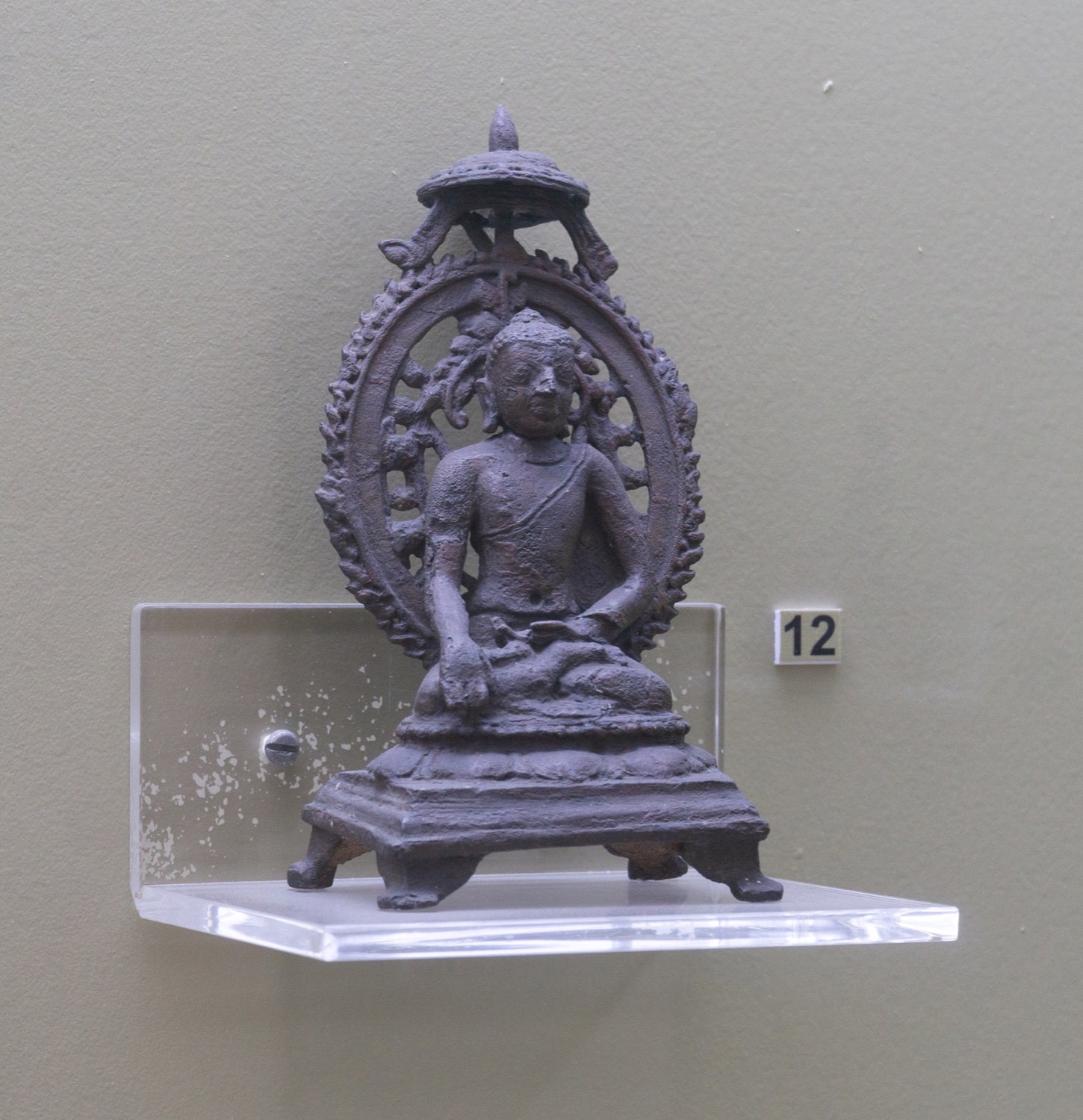
Nalanda Archaeological Museum
Set right beside the Nalanda ruins, this museum houses the finest antiquities excavated from the great ancient university. Its galleries display exquisite stone and bronze images of the Buddha and Bodhisattvas, terracotta plaques, seals, coins and inscriptions spanning the Gupta and Pala periods. It is the perfect complement to a visit to the ruins, bringing the site's scholarly and artistic legacy to life.
 Nature & Waterfalls
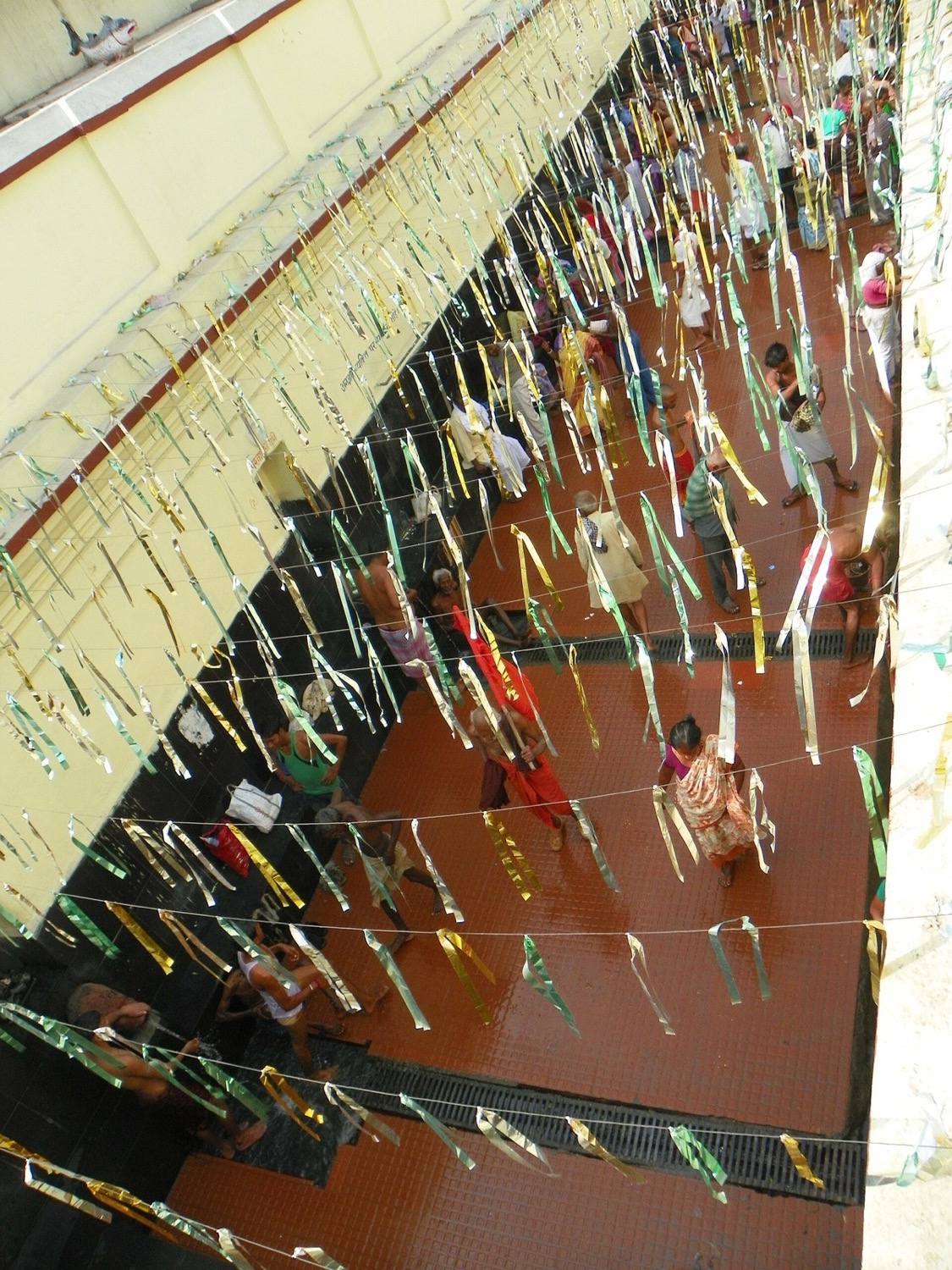
Brahmakund Hot Springs, Rajgir
A famous cluster of sacred hot springs at the foot of the Vaibhavgiri hills in Rajgir, fed by streams known as the Saptdhara. Brahmakund, the hottest at around 45 °C, is revered by Hindus who believe the waters can cure ailments. The springs have drawn pilgrims for over two thousand years, set amid a landscape sacred to Hinduism, Buddhism and Jainism alike.
Nawada
Patna
 Museums
Bihar Museum, Patna
Bihar's flagship stateoftheart museum, spread across a sprawling lowrise campus designed by Japanese and Indian architects. Its galleries trace the region's history from prehistory through the Mauryan and Gupta ages, and its star exhibit is the exquisite Didarganj Yakshi, one of the finest examples of Mauryan polished sandstone sculpture.
 Hindu Temples
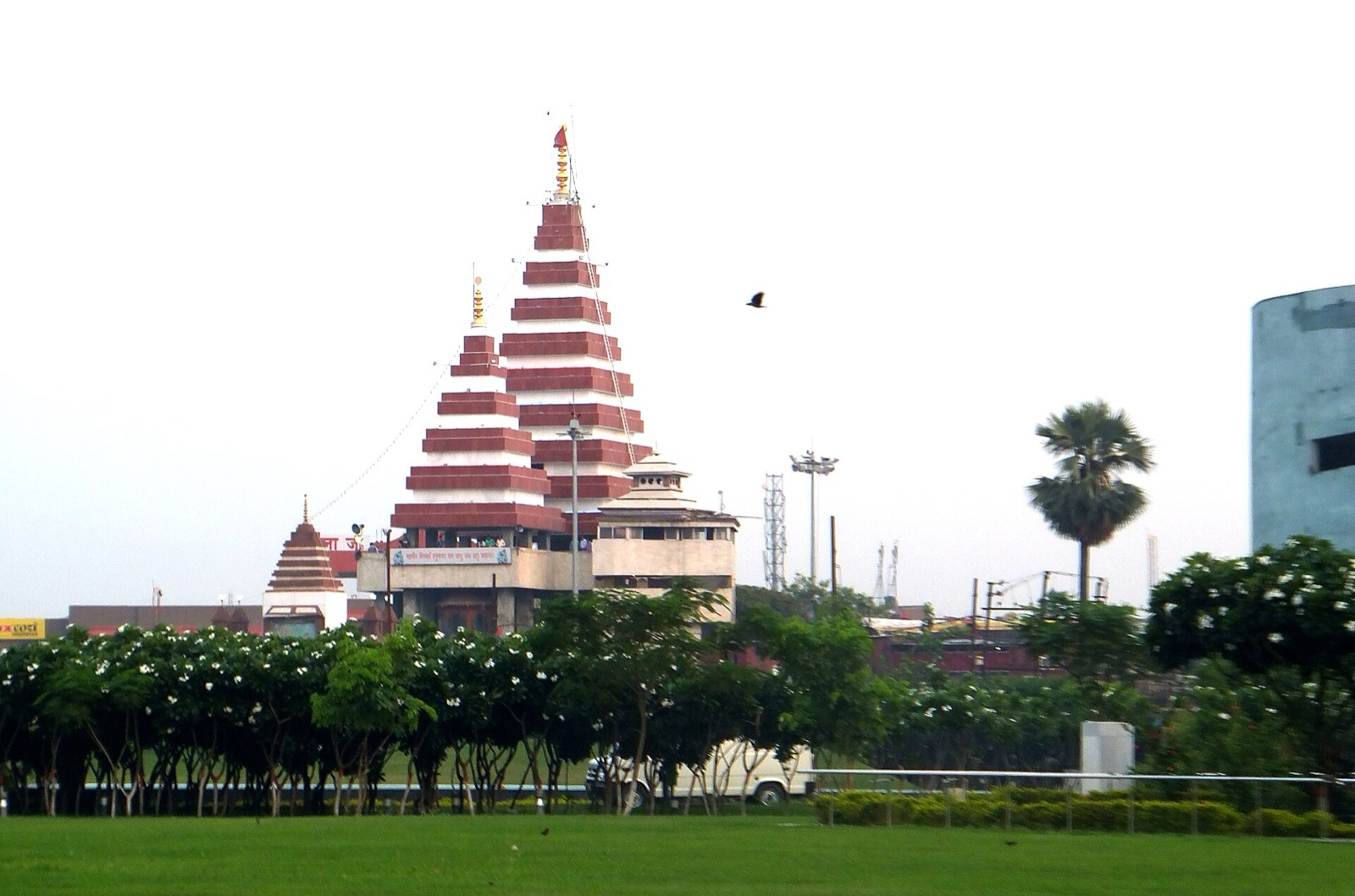
Mahavir Mandir, Patna
One of the most visited Hanuman temples in North India, standing right beside Patna Junction. It is among the busiest and richest temples in Bihar, famous for its Naivedyam (Tirupatistyle laddoo prasad). The temple trust funds hospitals and social causes, and set an example by appointing a Dalit priest alongside the traditional one.
 Hindu Temples
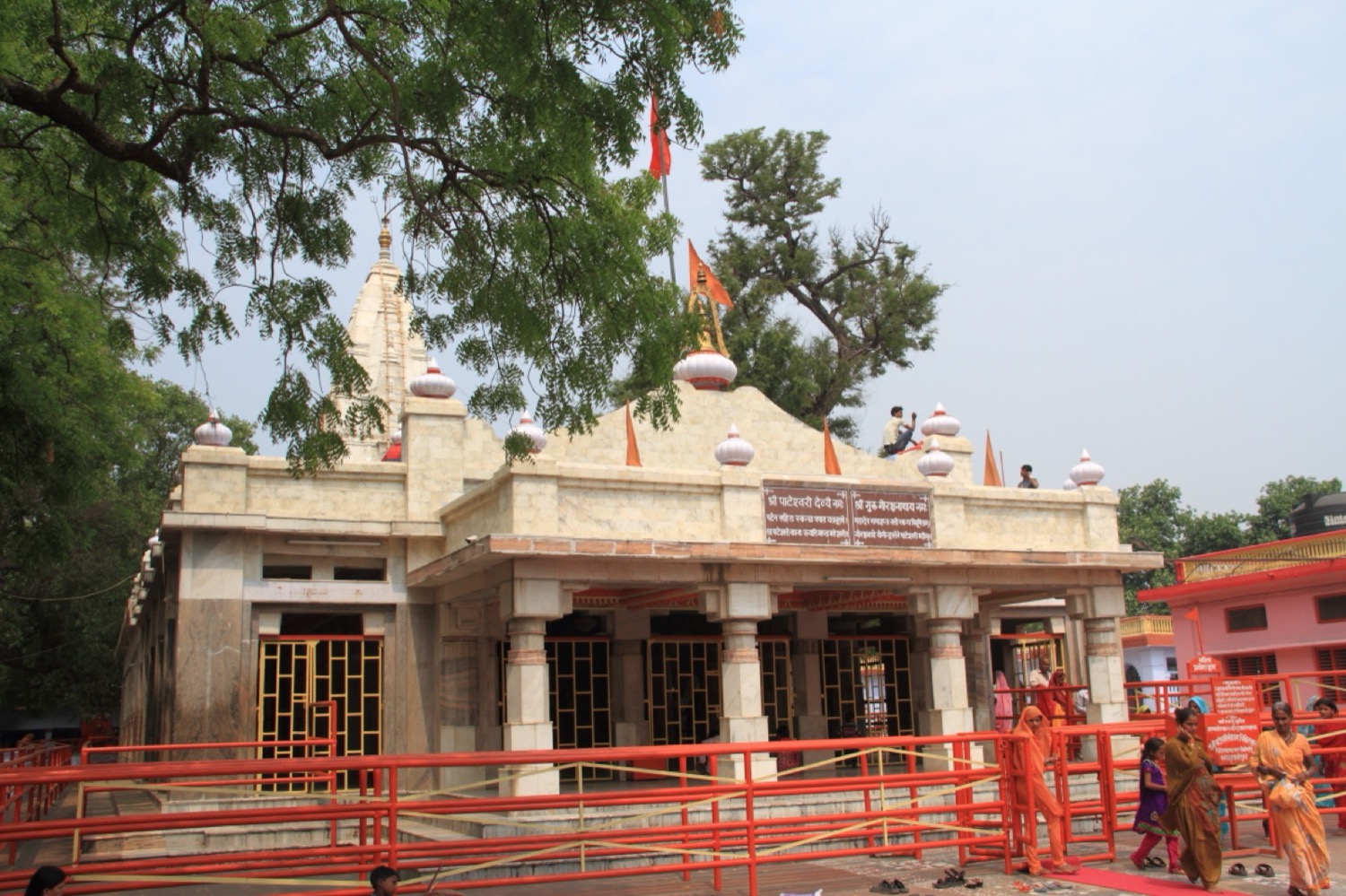
Bari Patan Devi Temple, Patna
One of the 51 revered Shakti Peethas, where the right thigh of Goddess Sati is believed to have fallen. Located in the Maharajganj area of Old Patna, the temple enshrines three blackstone deities — Mahakali, Mahalakshmi and Mahasaraswati. It is widely held that the very name 'Patna' derives from Patan Devi, making it deeply tied to the city's identity.
 Historical & Ruins
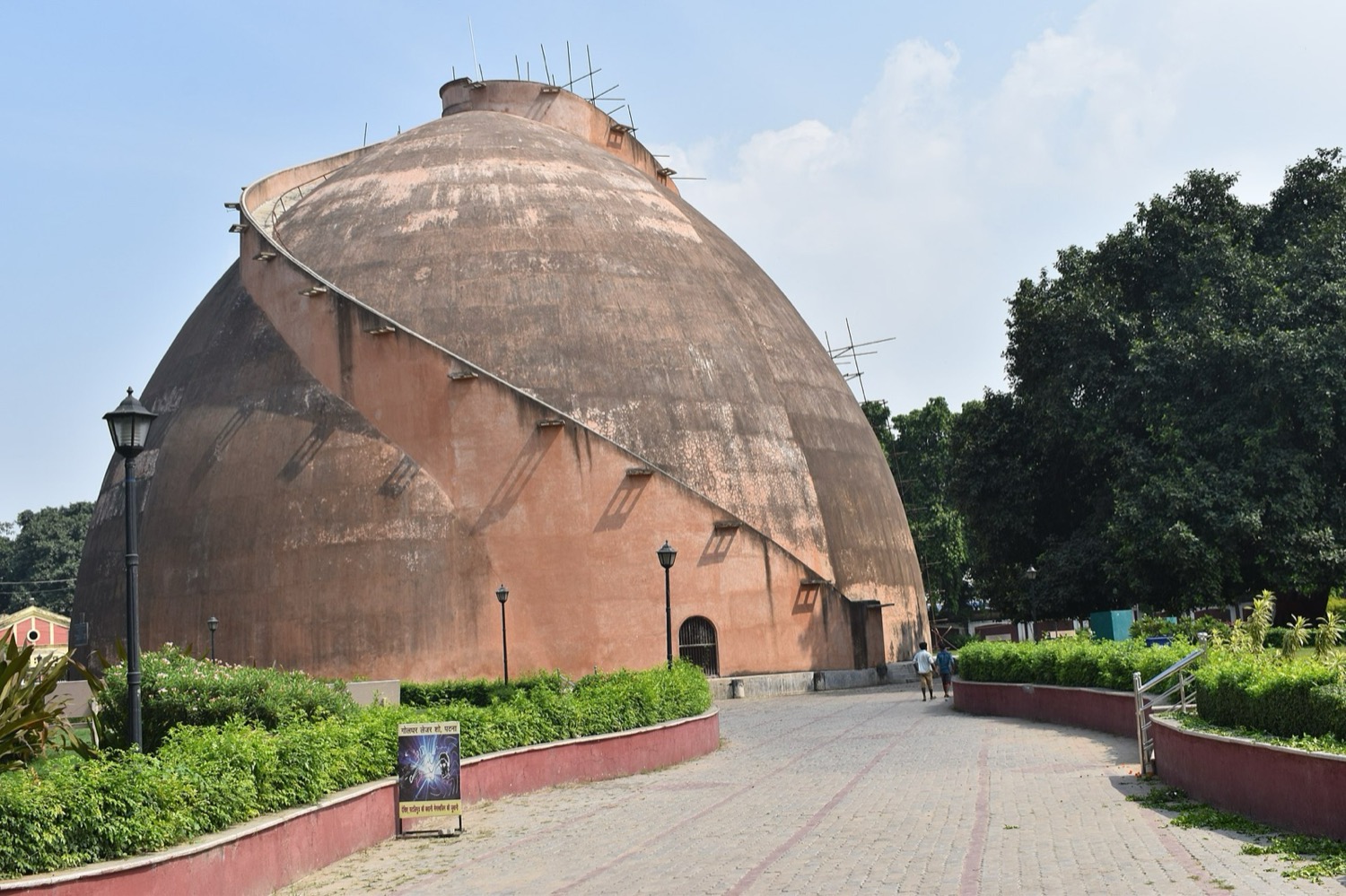
Golghar, Patna
A striking beehiveshaped granary built by the British in 1786 as a state grain store to guard against famine. Its two external spiral staircases of 145 steps each lead to the top, offering sweeping views of the Ganga and the Patna skyline. One of the city's most recognisable colonialera landmarks.
 Sikh Heritage
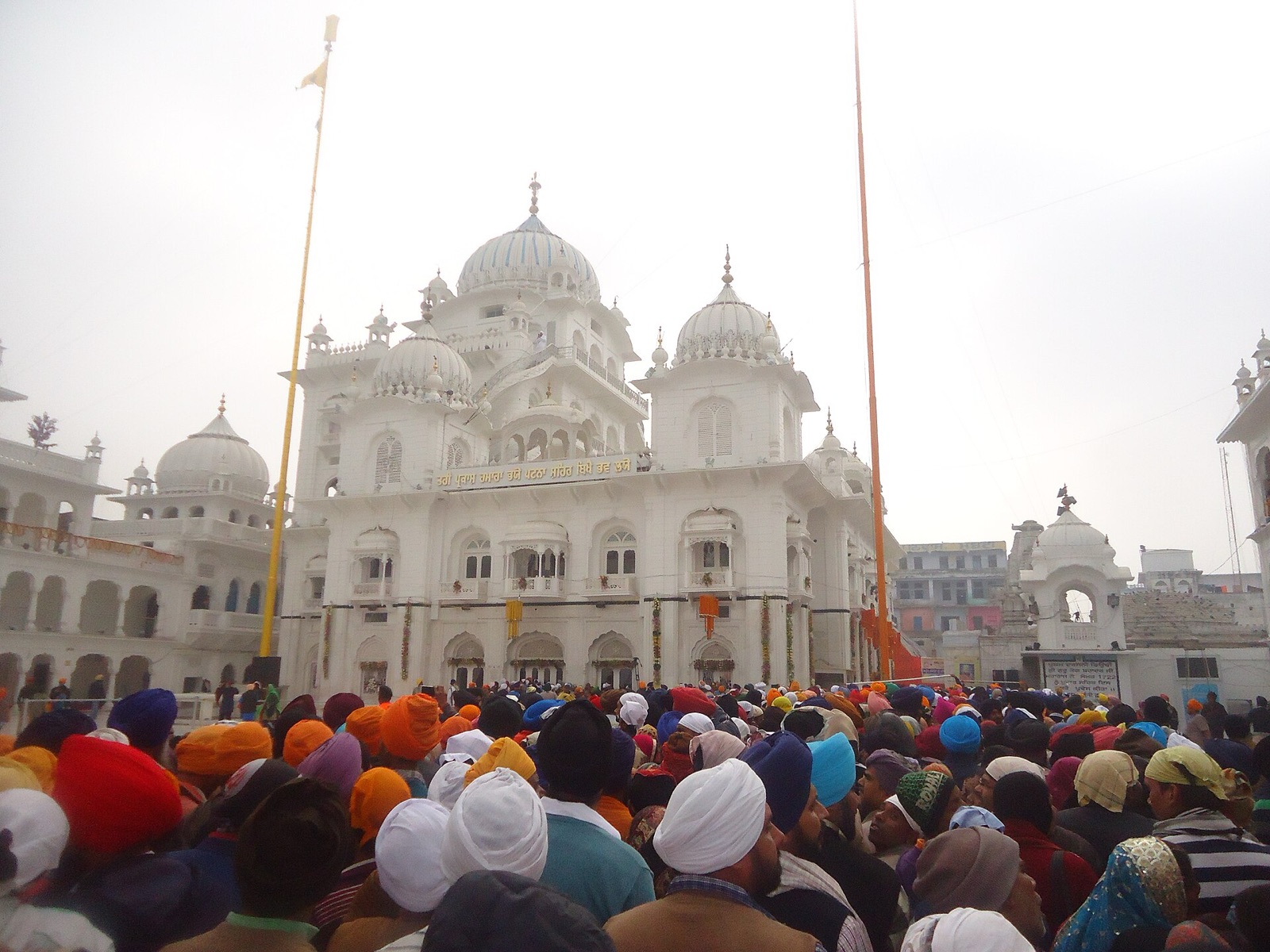
Takht Sri Patna Sahib
One of the five Takhts (supreme seats of authority) in Sikhism and the birthplace of Guru Gobind Singh Ji, the tenth Sikh Guru, born here in 1666. A magnificent white marble Gurudwara draws pilgrims from across the world, especially during Prakash Utsav celebrations. A deeply revered spiritual and historical landmark of Patna City.
 Historical & Ruins
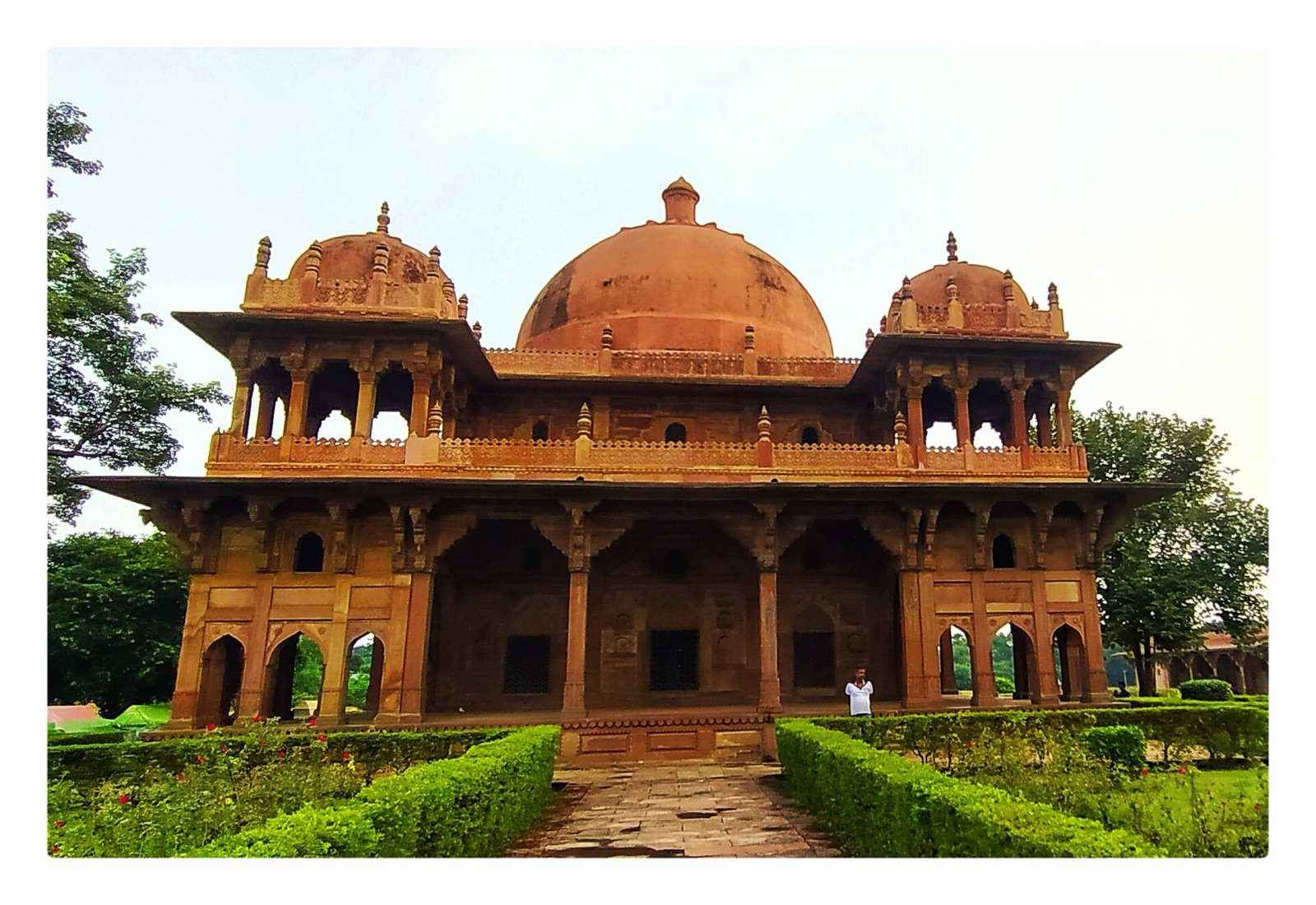
Maner Sharif
A revered Sufi pilgrimage centre west of Patna, home to two famous shrines — the Bari Dargah of the 13th–14th century saint Makhdoom Yahya Maneri, and the elegant Chhoti Dargah of Makhdum Shah Daulat. The Chhoti Dargah, completed in 1616, is a fine Mughalera mausoleum set beside a large tank, drawing devotees of all faiths.
 Historical & Ruins
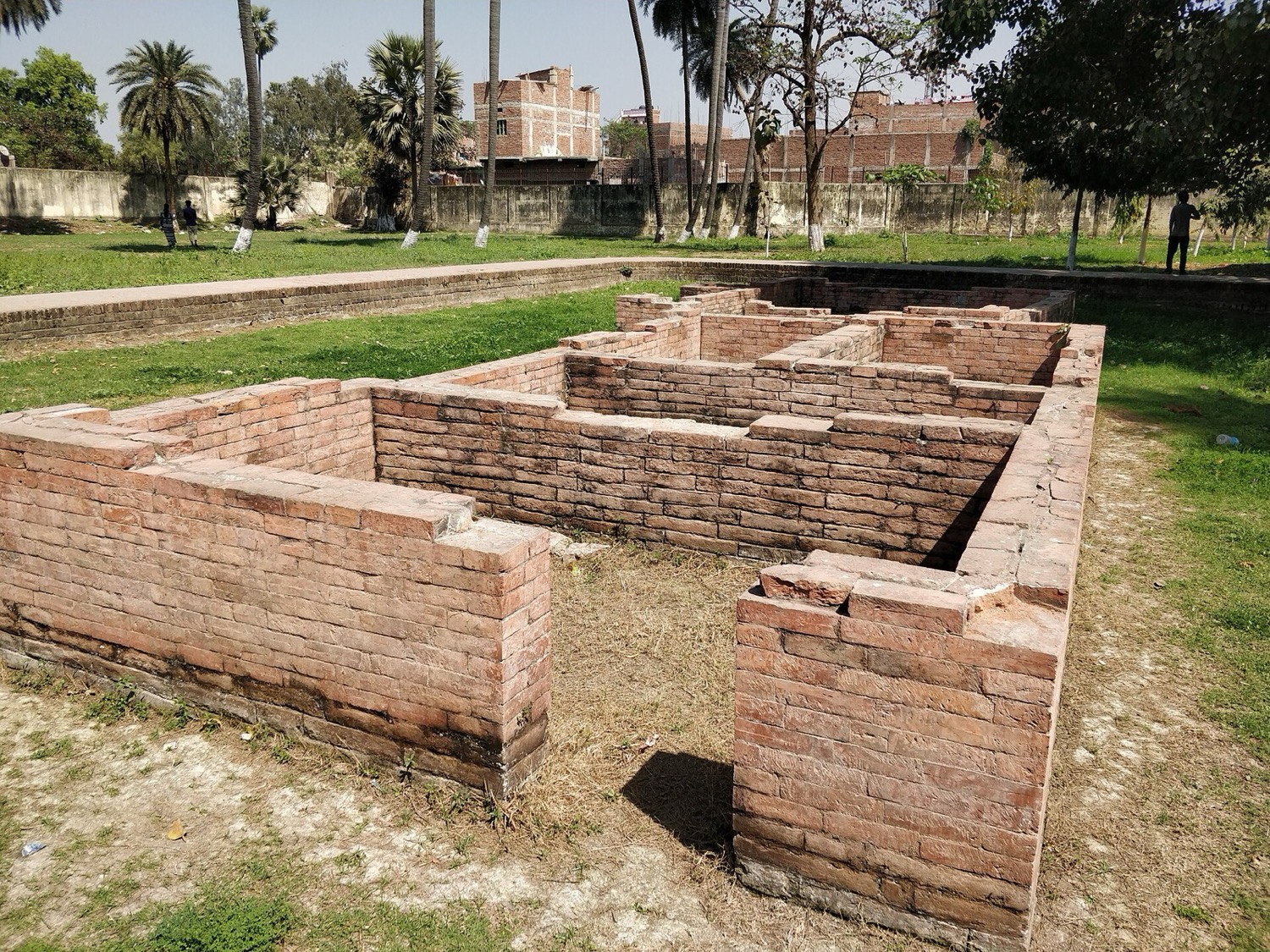
Kumhrar (Pataliputra Ruins), Patna
The archaeological remains of ancient Pataliputra, capital of the mighty Mauryan Empire under Chandragupta and Ashoka. The star attraction is the excavated 80pillared hall of polished sandstone from Emperor Ashoka's era. A key site for understanding one of the world's great early cities, set in a peaceful landscaped park.
 Historical & Ruins
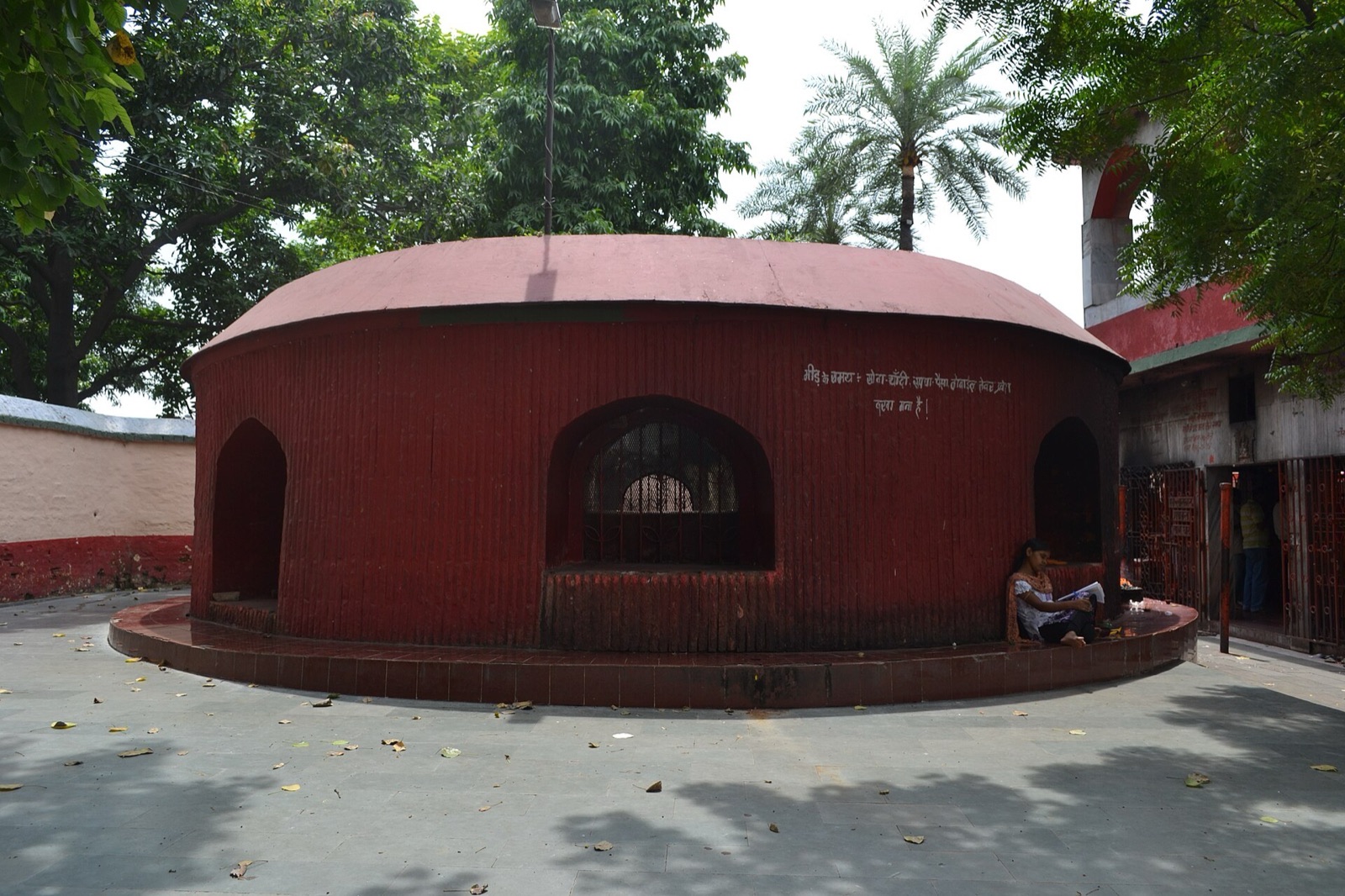
Agam Kuan, Patna
An ancient, unusually deep well believed to date to the Mauryan era and associated in legend with Emperor Ashoka. Its brickandwoodringed shaft descends far below ground and is steeped in folklore. Adjacent stands the popular Shitala Devi temple, making it both an archaeological curiosity and a living place of worship.
 Museums
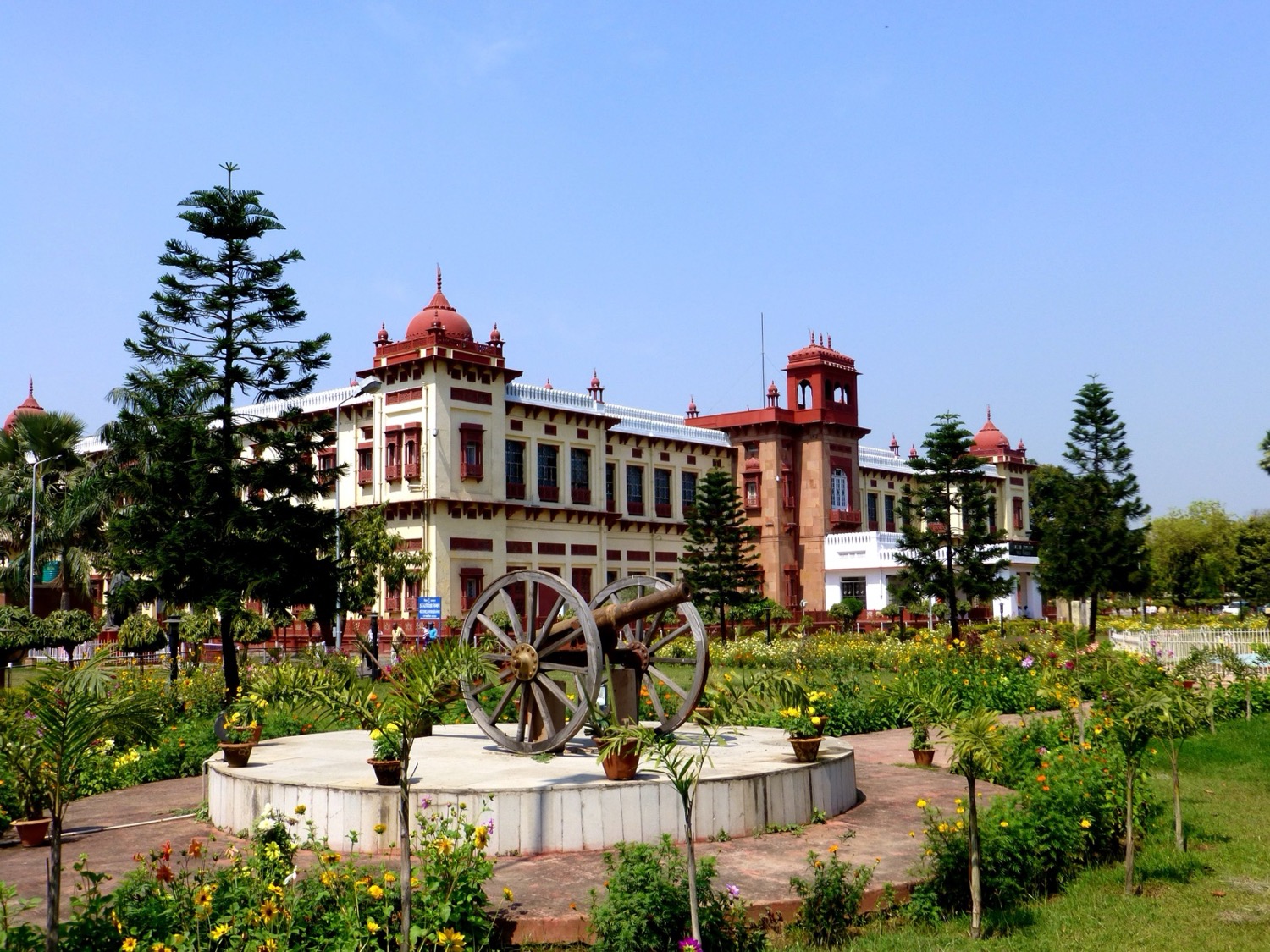
Patna Museum (Jadu Ghar)
One of India's oldest museums, established in 1917, and affectionately called 'Jadu Ghar' (House of Magic) by locals. Built in a graceful IndoSaracenic style, it holds tens of thousands of artefacts spanning Bihar's ancient, medieval and modern past, including a Buddha relic casket and rare stone and bronze sculptures.
 Memorials
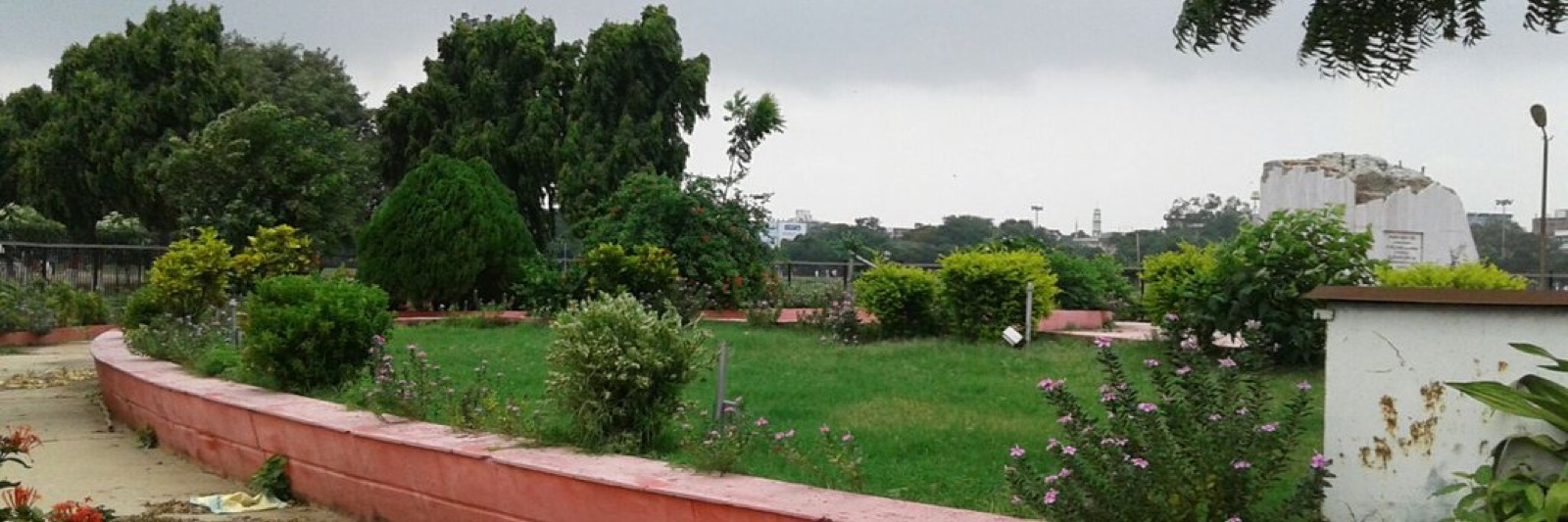
Gandhi Maidan & Gandhi Sangrahalaya
Gandhi Maidan is one of India's largest public grounds, a historic stage for freedommovement rallies and public gatherings in the heart of Patna. On its edge stands the Gandhi Sangrahalaya, a museum that tells the story of Mahatma Gandhi's life and his deep connection with Bihar through photographs, documents and models.
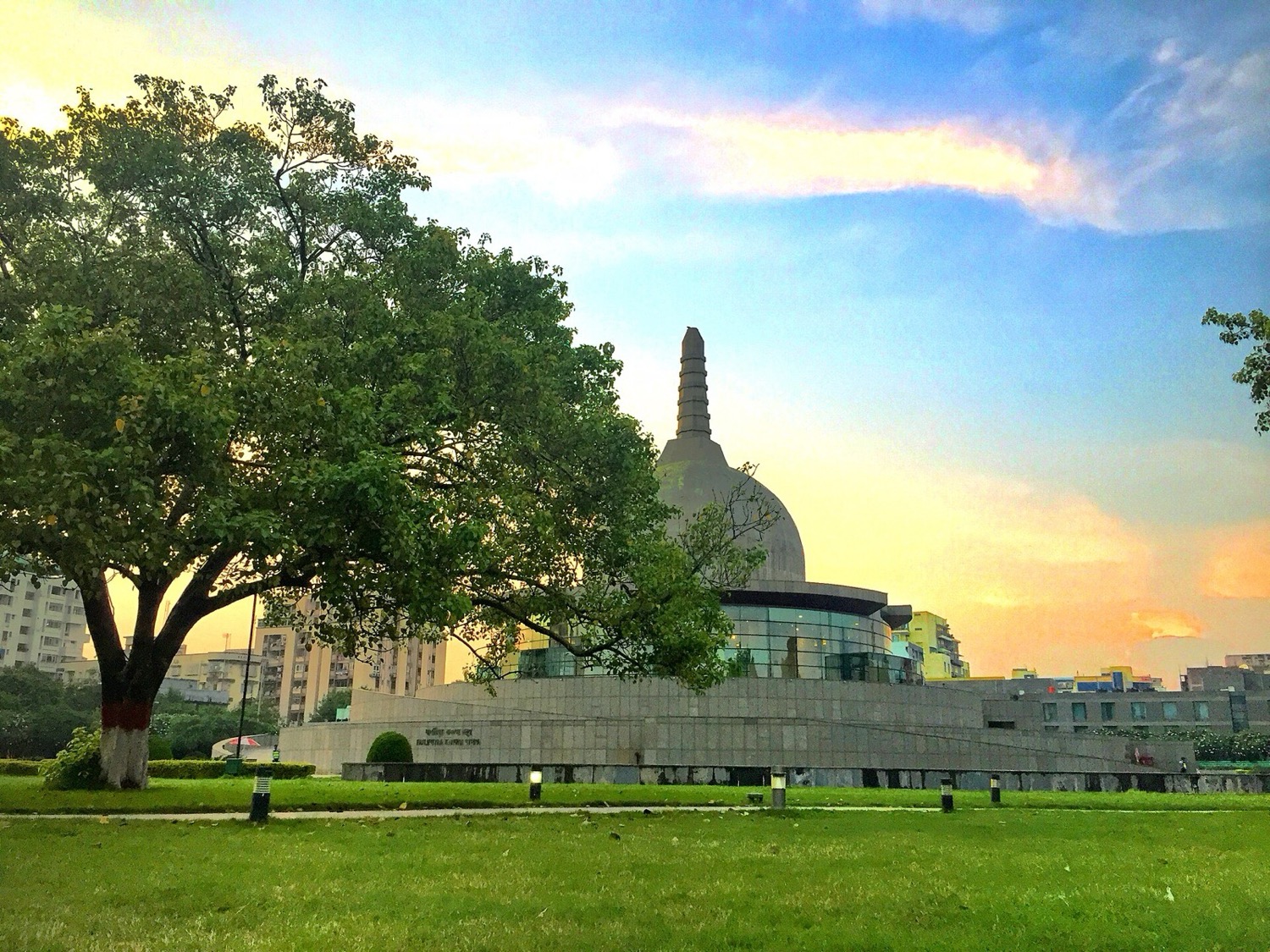 Buddhist Circuit
Buddha Smriti Park, Patna
A serene urban park built to mark 2,554 years since the Buddha's birth, located right beside Patna Junction. Its centrepiece is the tall Karuna Stupa (Stupa of Compassion), which enshrines sacred Buddha relics, surrounded by landscaped gardens, a meditation centre and a museum — an oasis of calm in the busy city.
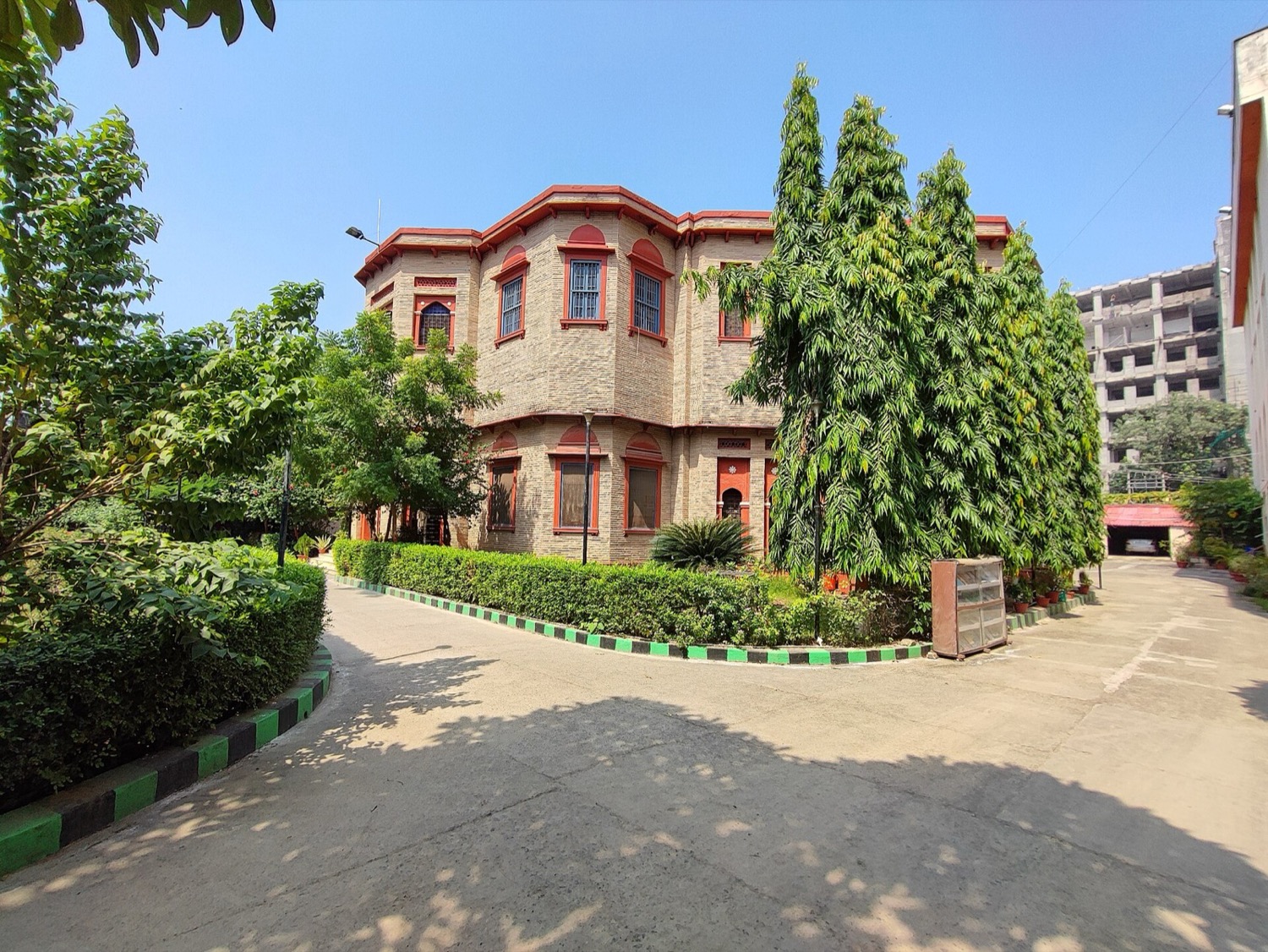 Historical & Ruins
Khuda Bakhsh Oriental Library
One of the world's most renowned repositories of Oriental manuscripts, opened to the public in 1891. A National Importance institution, it safeguards thousands of rare Arabic and Persian manuscripts and Mughal and Rajputera miniature paintings, making it a treasure house for scholars and history lovers alike.
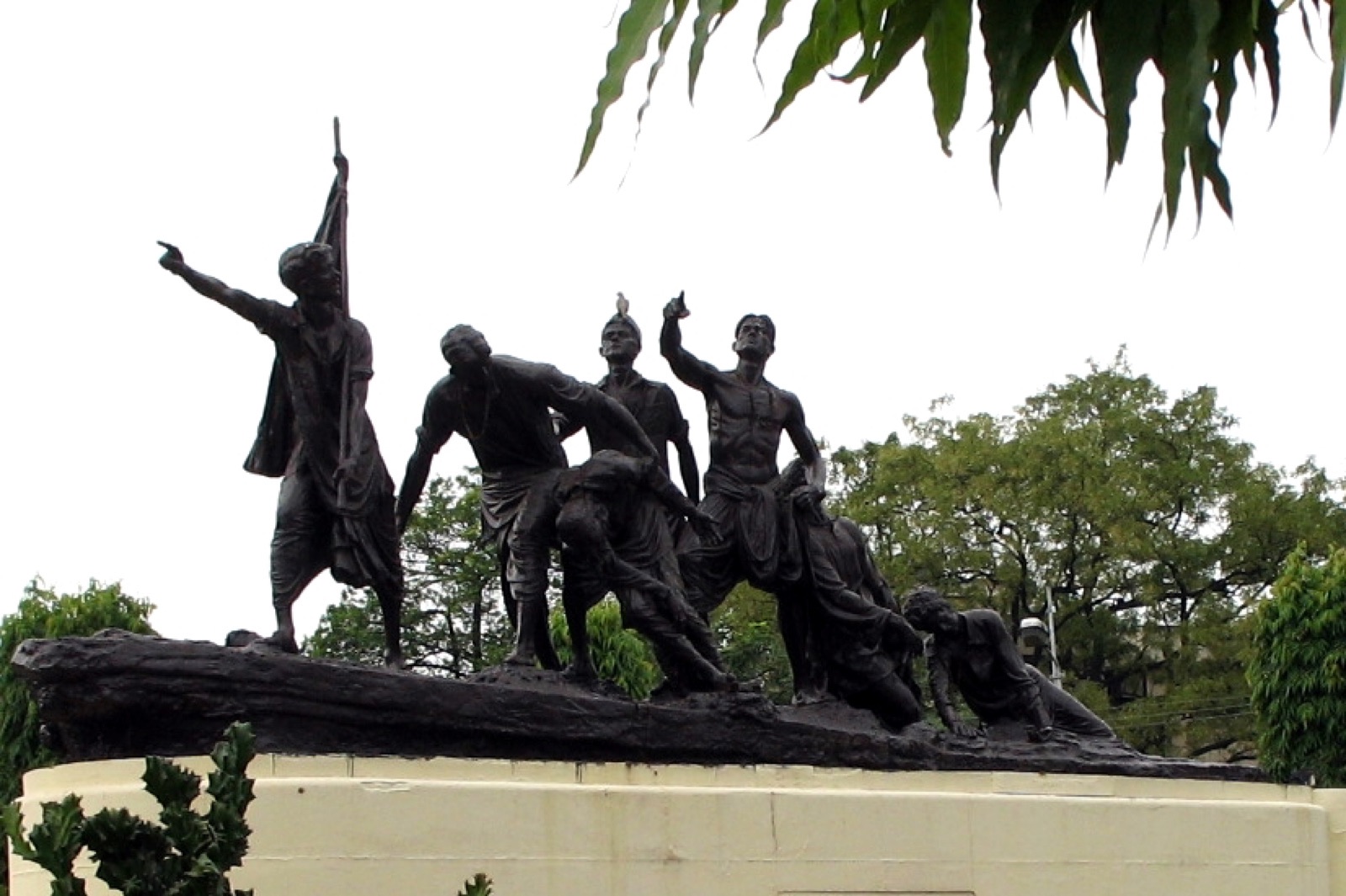 Memorials
Shaheed Smarak (Martyrs' Memorial), Patna
A moving memorial to seven young students who were shot dead by British police on 11 August 1942 while trying to hoist the national flag over the Secretariat during the Quit India Movement. The bronze statues, sculpted by Devi Prasad Roychoudhury, stand outside the Bihar Secretariat as an enduring tribute to their sacrifice.
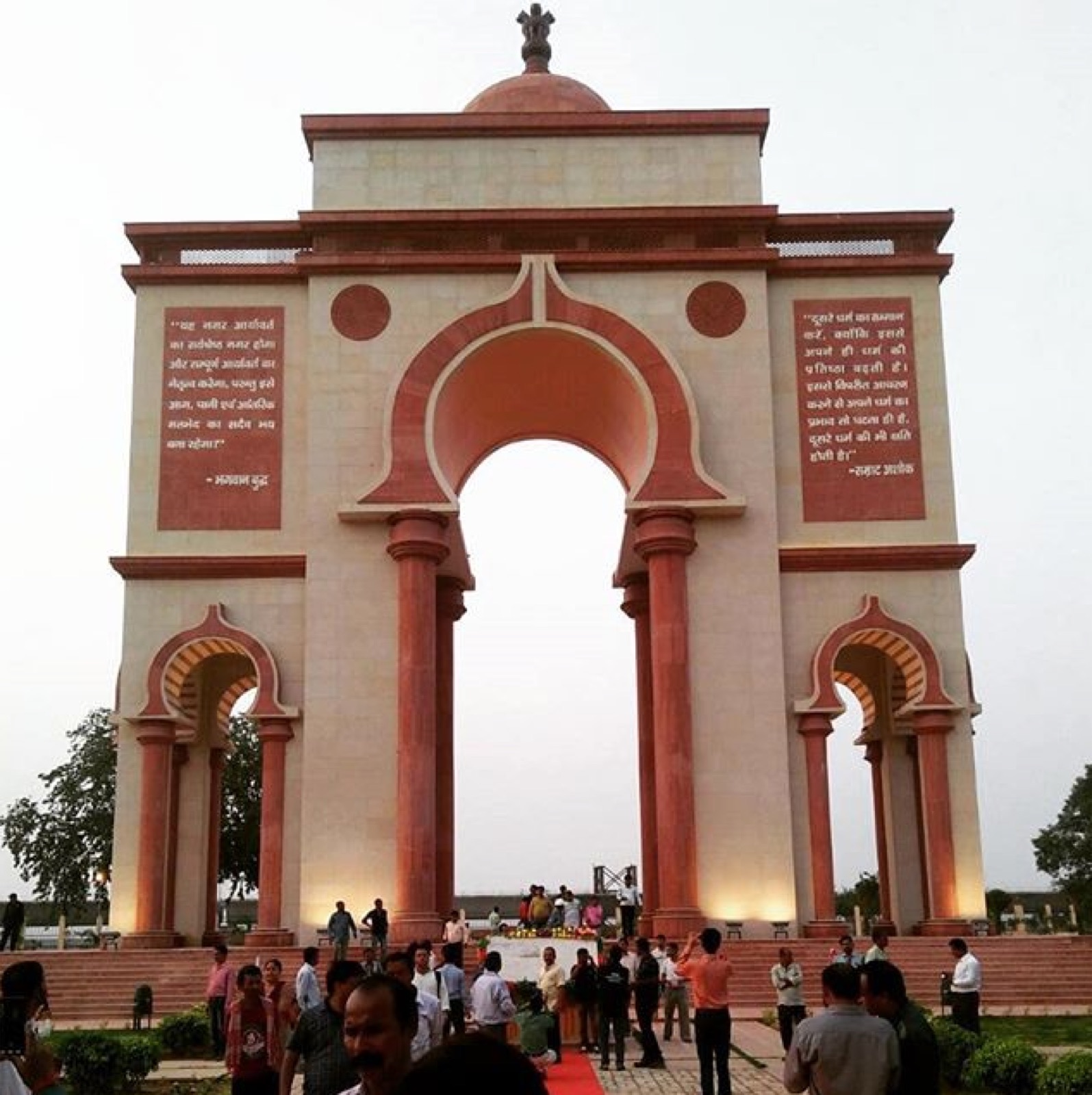 Cities & Towns
Sabhyata Dwar & Ganga Riverfront, Patna
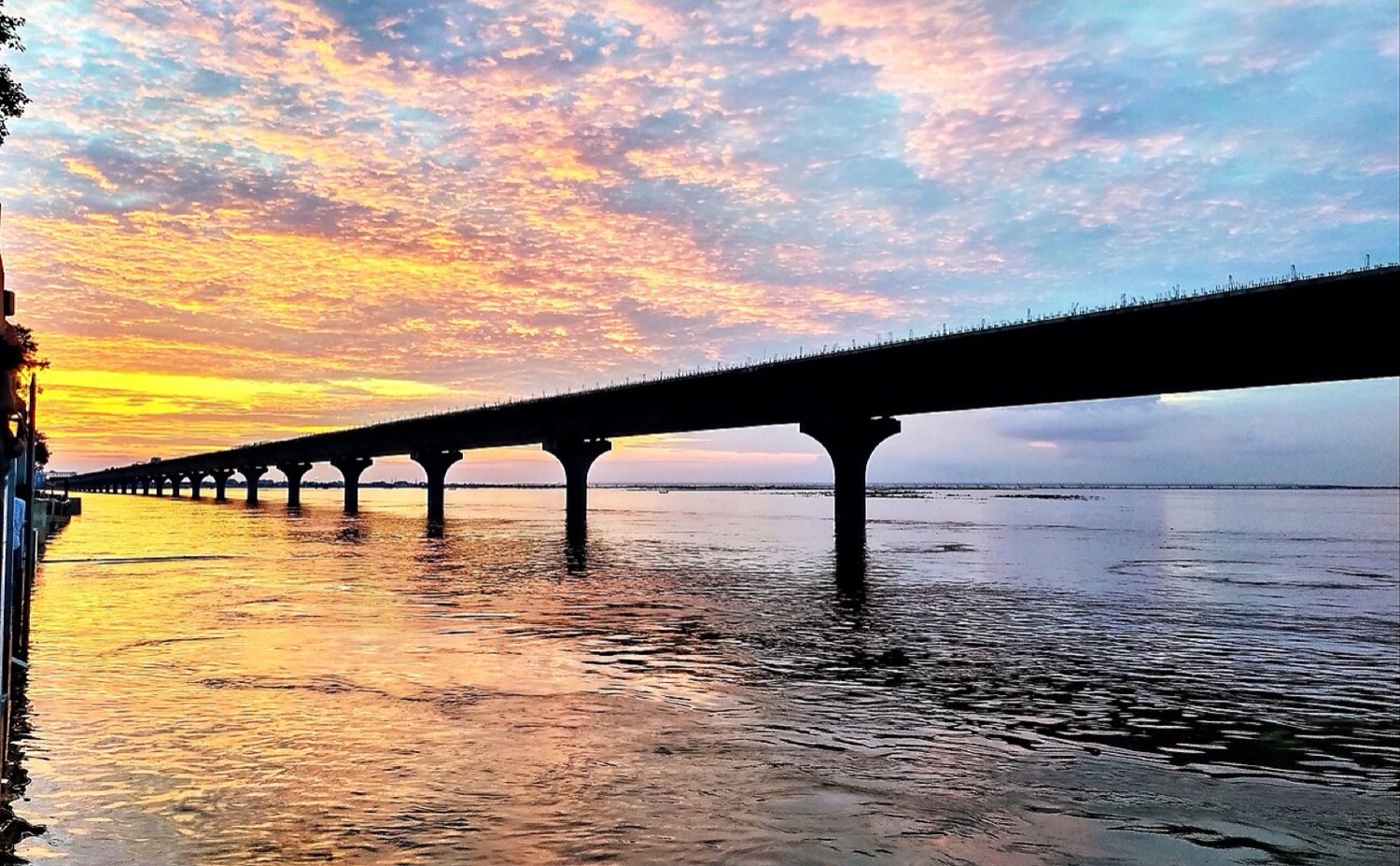
Sabhyata Dwar, or 'Civilization Gate', is a striking 32metre sandstone arch on the banks of the Ganga, built to celebrate Bihar's ancient heritage and civilizational legacy. Set beside the Samrat Ashok Convention Centre and the developing Ganga riverfront (Marine Drive), it is a favourite spot for evening strolls and photographs.
 Rivers & Ghats
Ganga Riverfront & Ghats, Patna
Patna's long Ganga waterfront strings together historic ghats where the city meets its river. Gandhi Ghat, famed for its evening Ganga Aarti, marks the spot where Mahatma Gandhi's ashes were immersed. The new JP Ganga Path, Patna's 'Marine Drive', now runs for over 20 km along the river, making the ghats, sunsets and Chhath celebrations easy to enjoy.
Purnia
Rohtas
 Hindu Temples
Tara Chandi Shaktipeeth, Sasaram
One of the revered Shakti Peethas dedicated to Maa Tara (a form of Durga/Shakti), nestled in a natural cave of the Kaimur hills near Sasaram. According to tradition, the right eye of Goddess Sati fell here. The tranquil hillside setting, with springs and rock outcrops, makes it both a sacred and scenic destination that fills with pilgrims during Navratri.
 Forts & Palaces
Rohtasgarh Fort
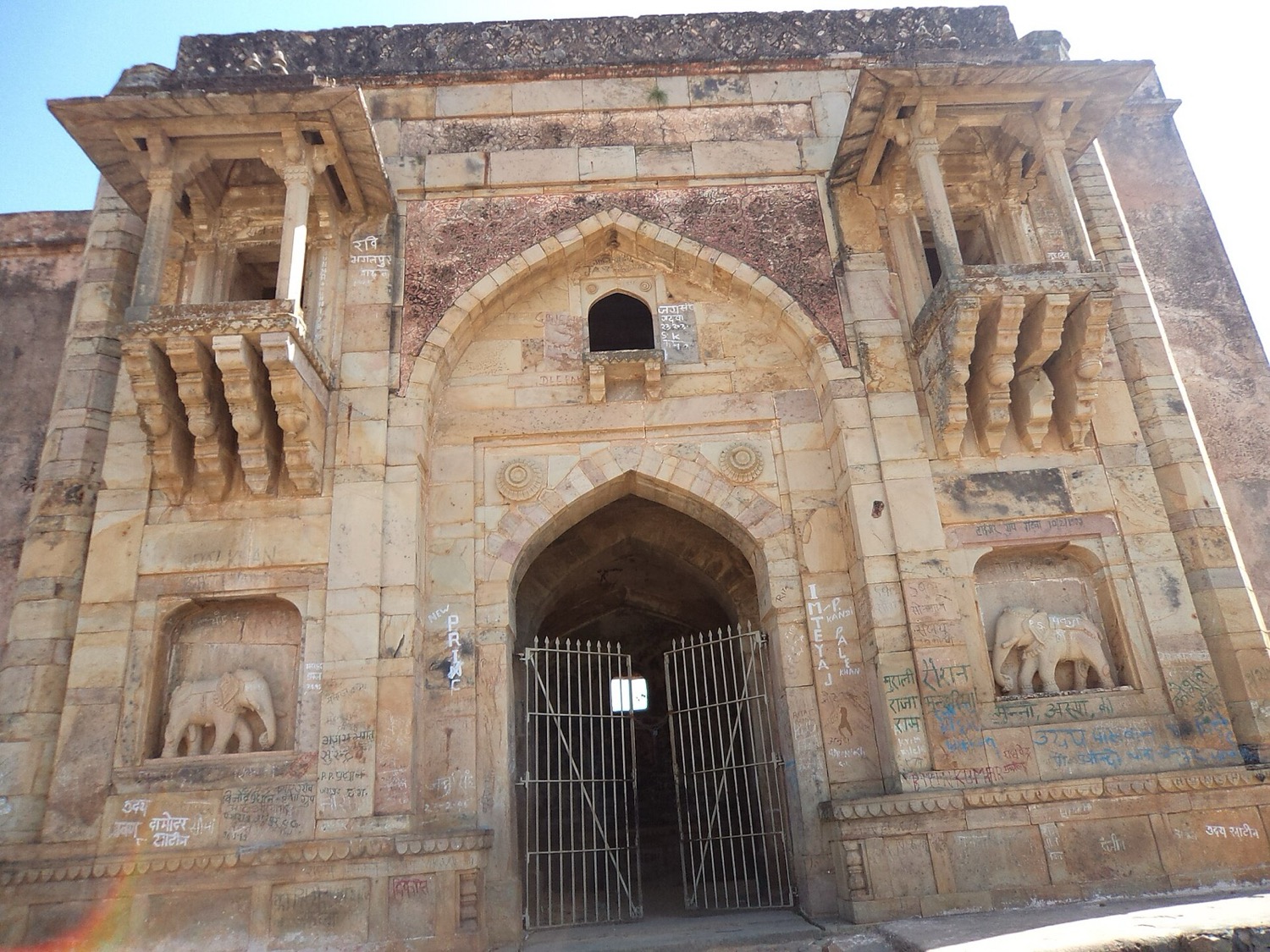
A vast, sprawling hill fort perched high on the Kaimur plateau above the Son river, spread over several kilometres. Rich in Hindu and later Mughalera history, it holds palaces, temples, mosques and gateways amid dense forest. Reaching it involves a steep trek, rewarding visitors with dramatic ruins and sweeping valley views.
 Historical & Ruins
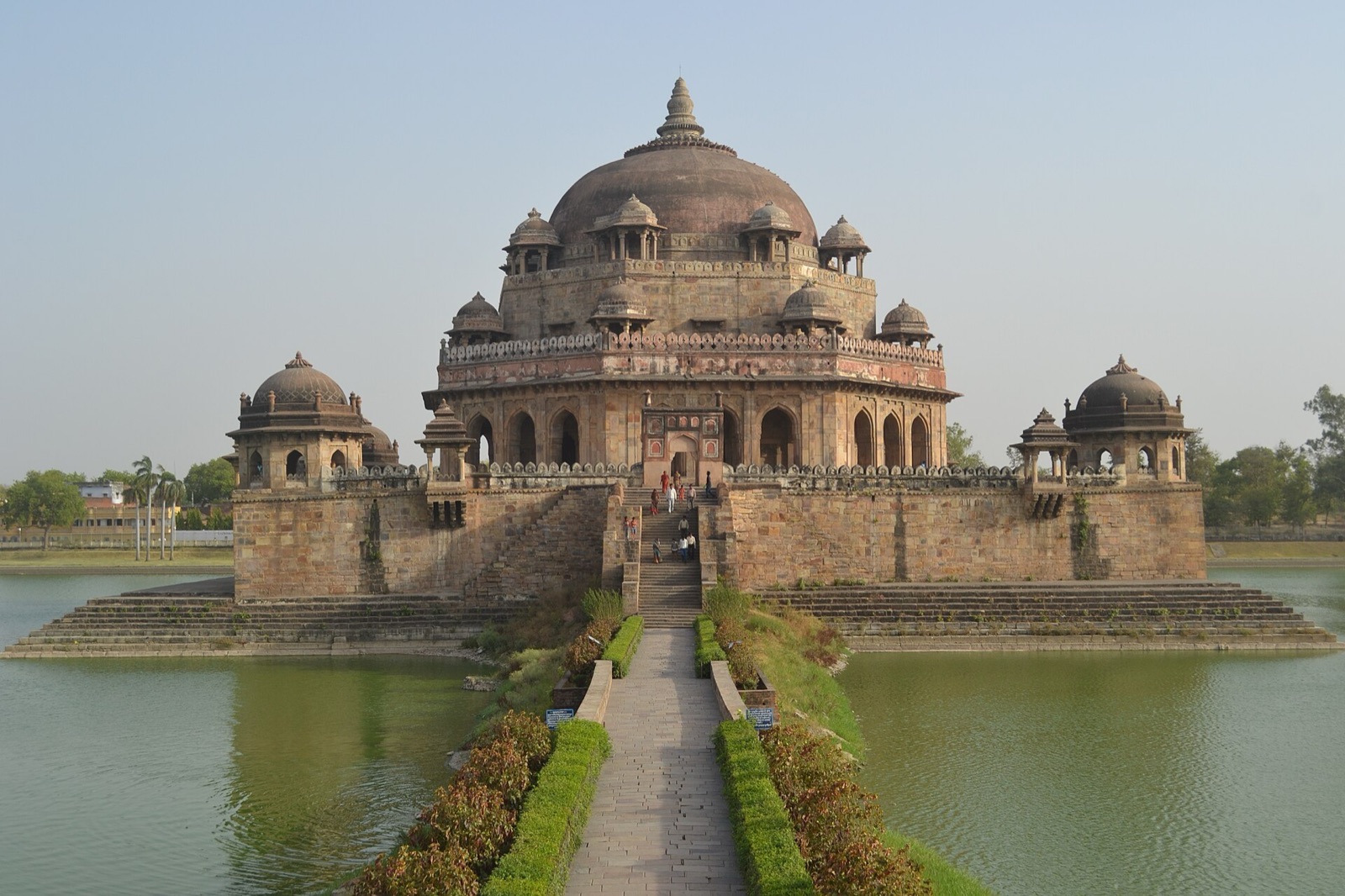
Sher Shah Suri Tomb, Sasaram
The magnificent mausoleum of Sher Shah Suri, the great 16thcentury emperor who founded the Sur dynasty and built the Grand Trunk Road. This grand domed tomb of red sandstone stands dramatically on a stone plinth in the middle of an artificial lake, regarded as one of the finest examples of IndoIslamic architecture in eastern India.
 Nature & Waterfalls
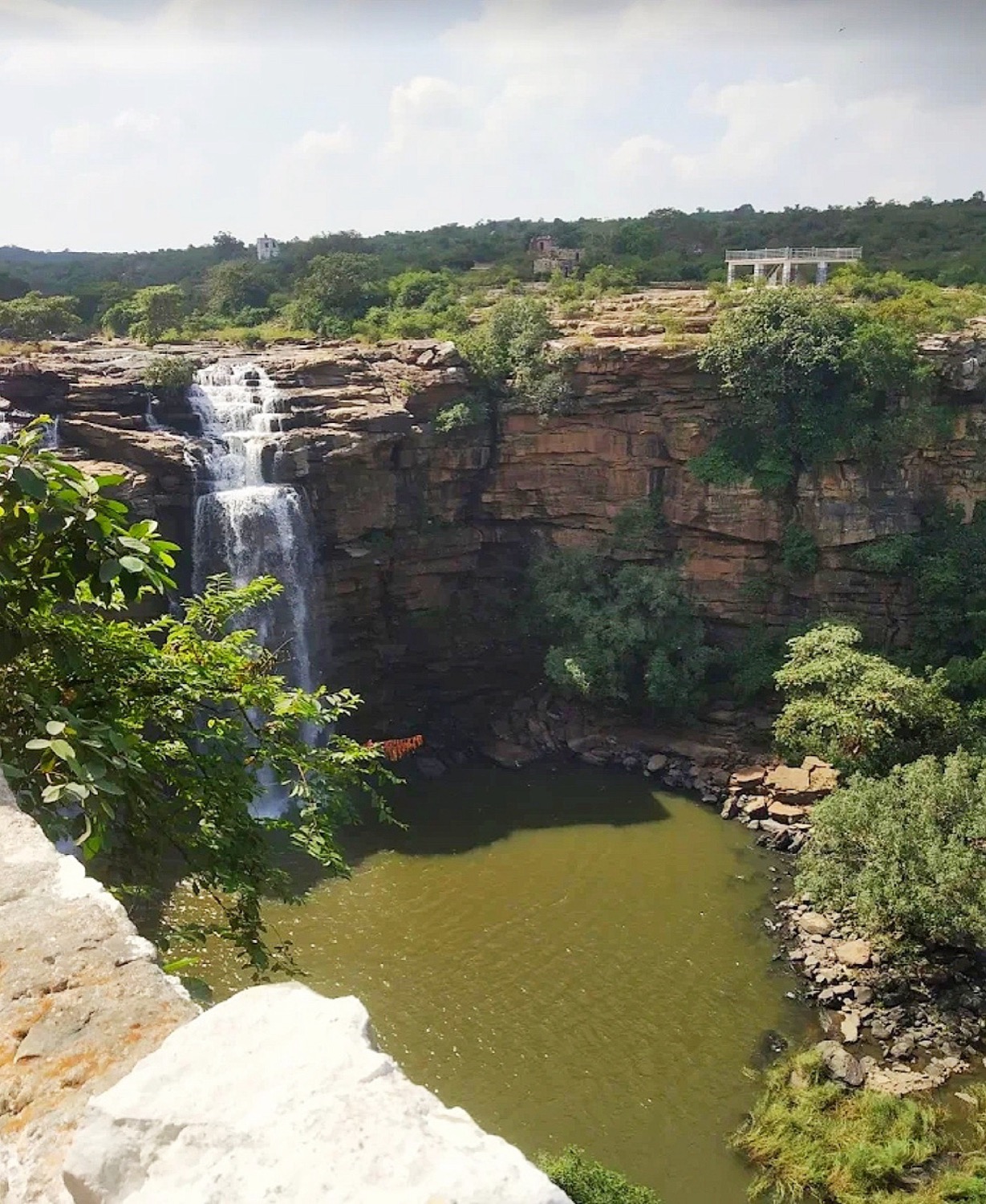
Manjhar Kund
A scenic seasonal waterfall in the Kaimur Range near Sasaram, where water cascades over rocky steps into a deep natural pool. A popular monsoon picnic spot surrounded by forest, it lies close to its twin, Dhua Kund. The lush setting and cool spray make it a favourite weekend escape for the Rohtas region.
 Nature & Waterfalls
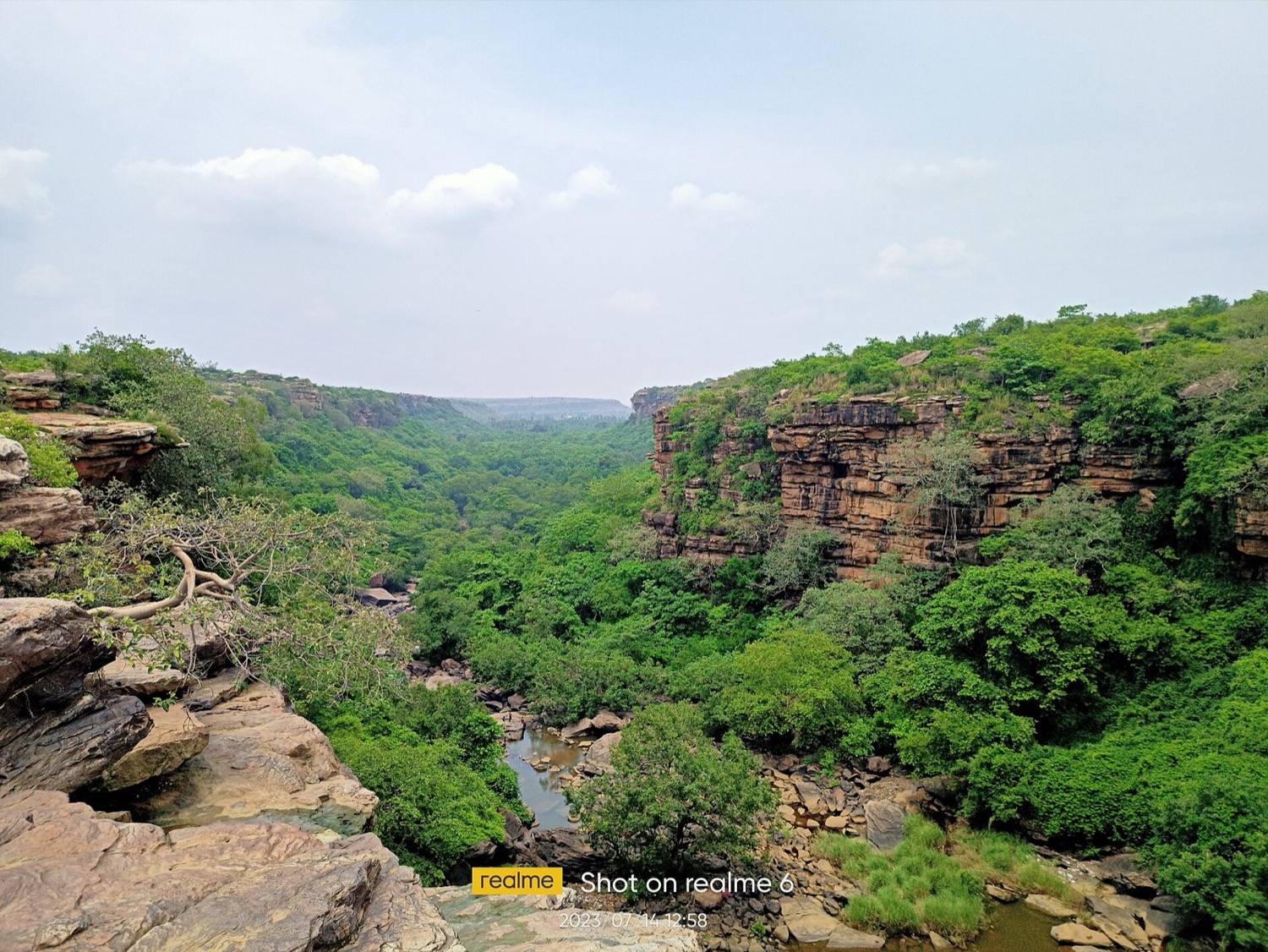
Dhua Kund Waterfall
A tall, dramatic waterfall in the Kaimur Range near Sasaram whose plunge throws up so much spray that it looks like rising smoke — hence the name 'Dhua' (smoke) Kund. It is a popular ecotourism and picnic spot best seen in the monsoon. Trekking, camping and birdwatching are possible in the surrounding forest.
Saran
 Hindu Temples
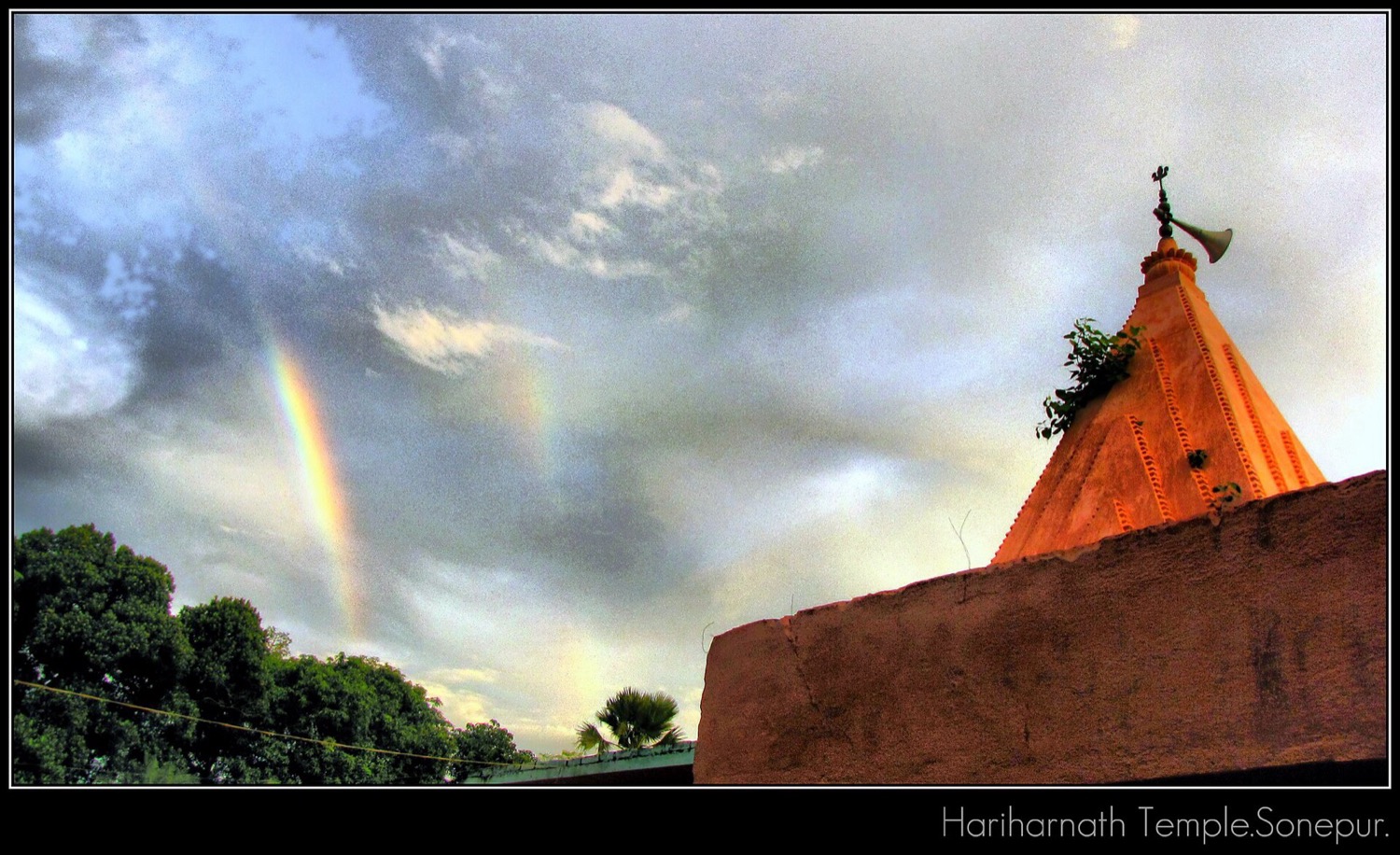
Harihar Nath Temple, Sonepur
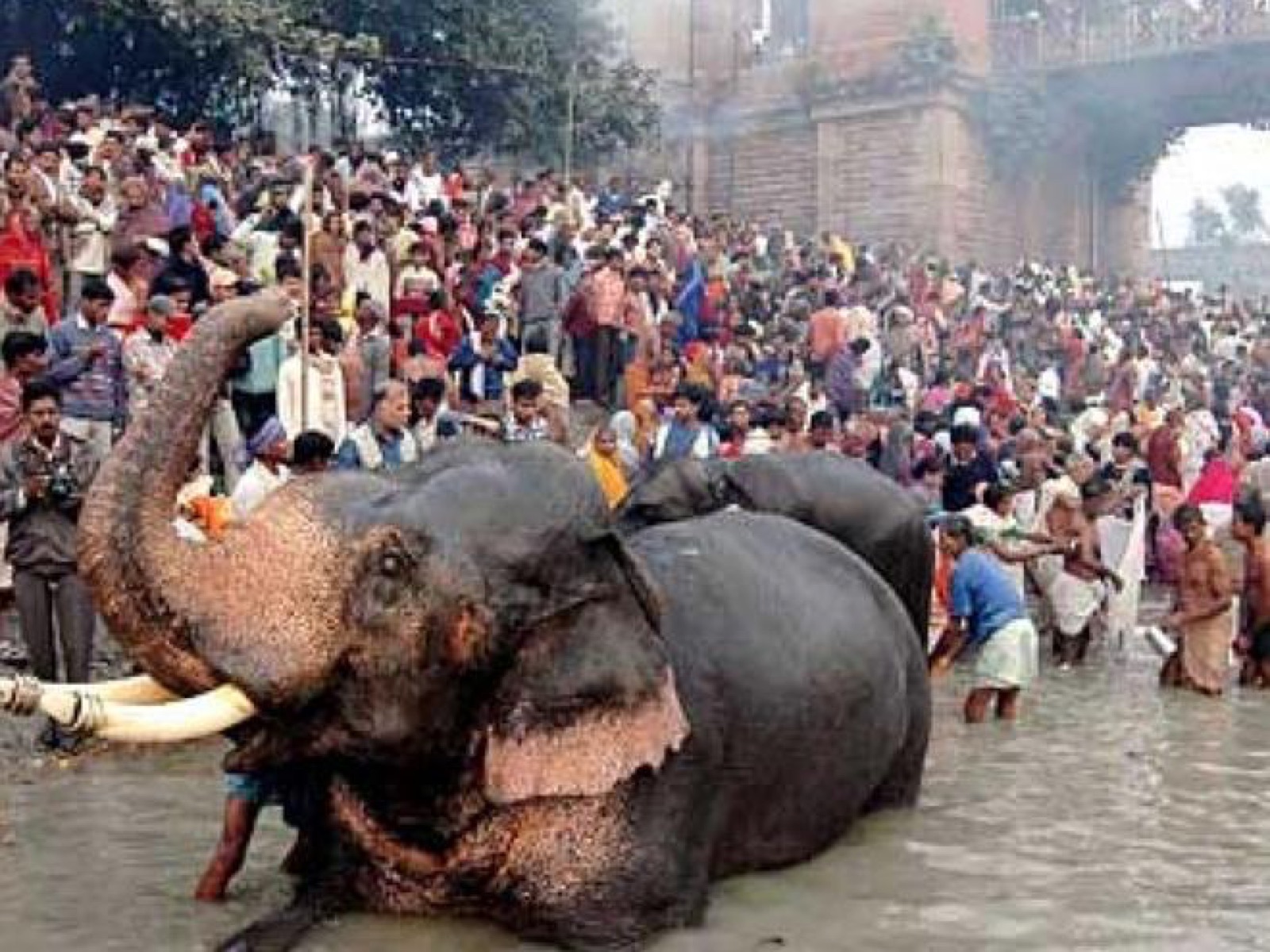
A rare temple where Hari (Vishnu) and Hara (Shiva) are worshipped together in a single Shivalinga — half Shiva, half Vishnu. Set near the sacred confluence of the Gandak and Ganga, it is traditionally believed to have been founded by Lord Rama on his way to Sita's swayamvar. Every year it anchors the famous Sonepur Mela, once among Asia's largest cattle and elephant fairs.
 Fairs & Festivals
Sonepur Cattle Fair
One of Asia's largest and oldest cattle fairs, held every year on Kartik Purnima at the sacred confluence of the Ganga and Gandak rivers. This monthlong spectacle blends livestock trading, folk performances, handicraft stalls and a mass holy dip, drawing pilgrims and visitors from across India and beyond.
Sitamarhi
Vaishali
West Champaran
 Wildlife & Sanctuaries
Valmiki Tiger Reserve
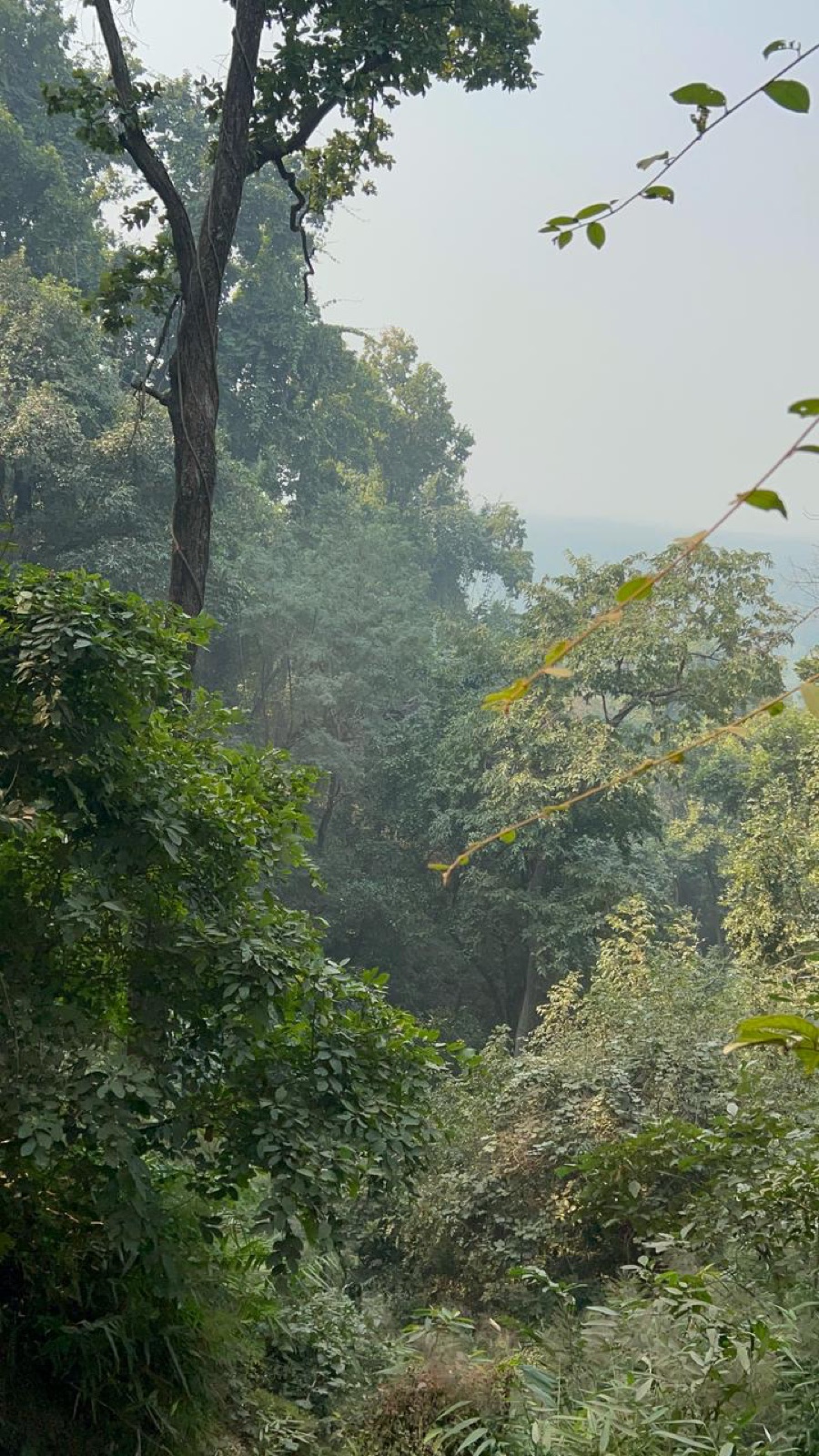
Bihar's only tiger reserve and its sole national park, set in the Himalayan Terai forests along the Nepal border. Spread over roughly 900 sq km, it shelters Royal Bengal tigers, leopards, sloth bears, wild elephants, gaur and hundreds of bird species. Jeep safaris from Manguraha and Gobardhana ranges offer a genuine wilderness experience in one of North India's richest, leastcrowded jungles.
 Historical & Ruins
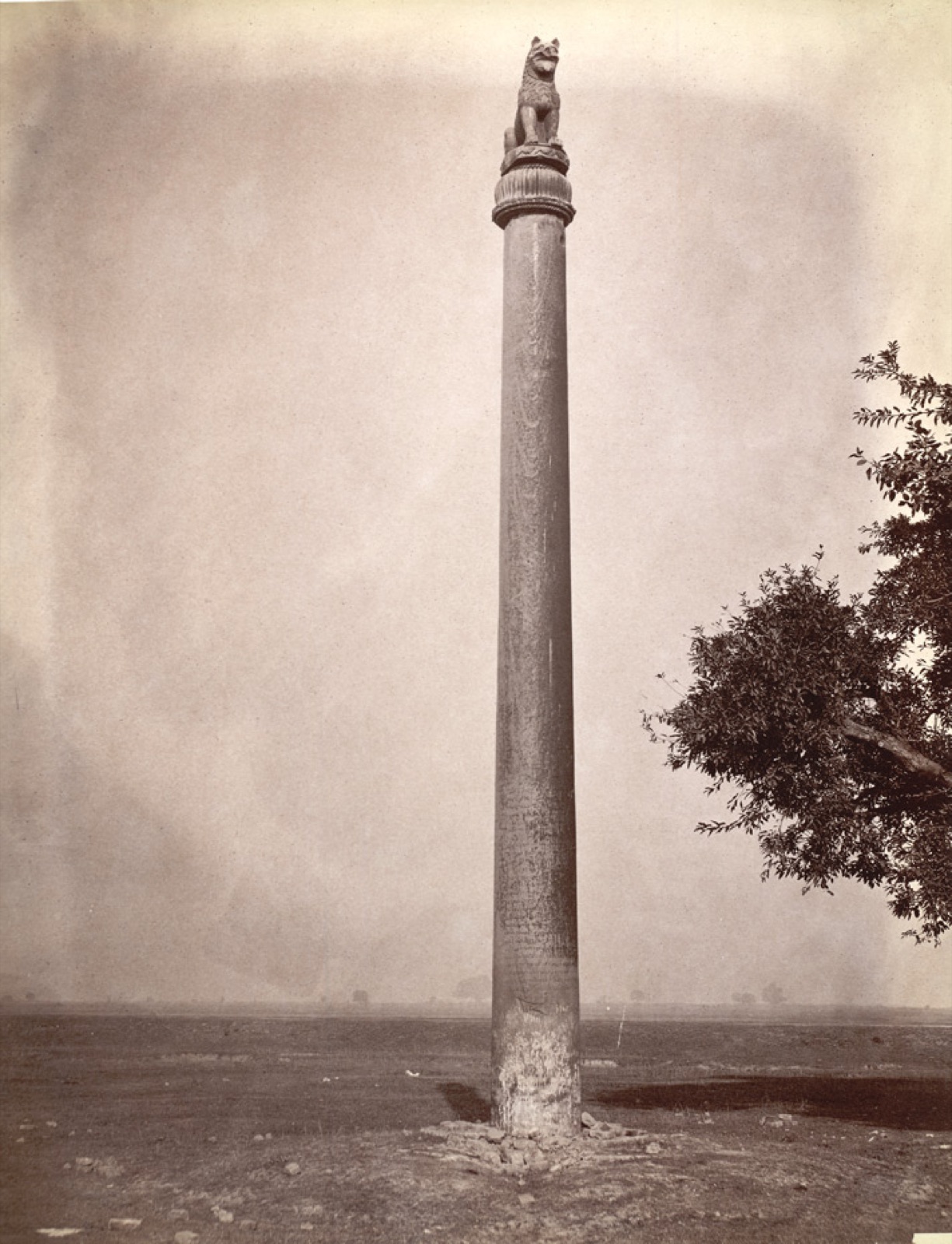
Lauriya Nandangarh Ashokan Pillar
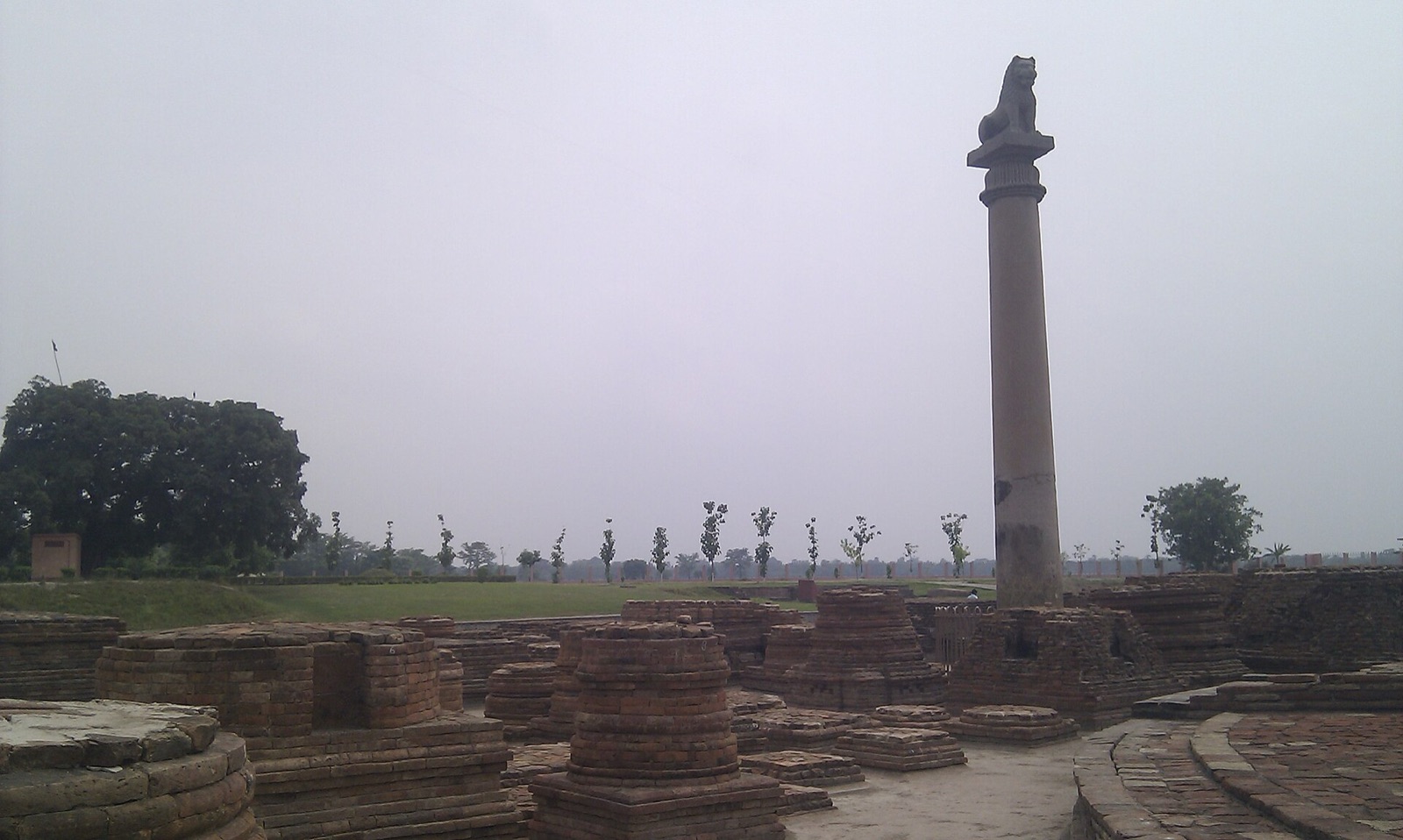
Lauriya Nandangarh preserves one of the finest and bestpreserved of Emperor Ashoka's polished sandstone pillars, standing tall since around 245 BCE and crowned by a single seated lion. The column still bears Ashoka's edicts inscribed in Brahmi script, a direct link to the Mauryan age. Nearby stands the great Nandangarh mound, one of the largest ancient stupa sites in the region.
 Nature & Waterfalls
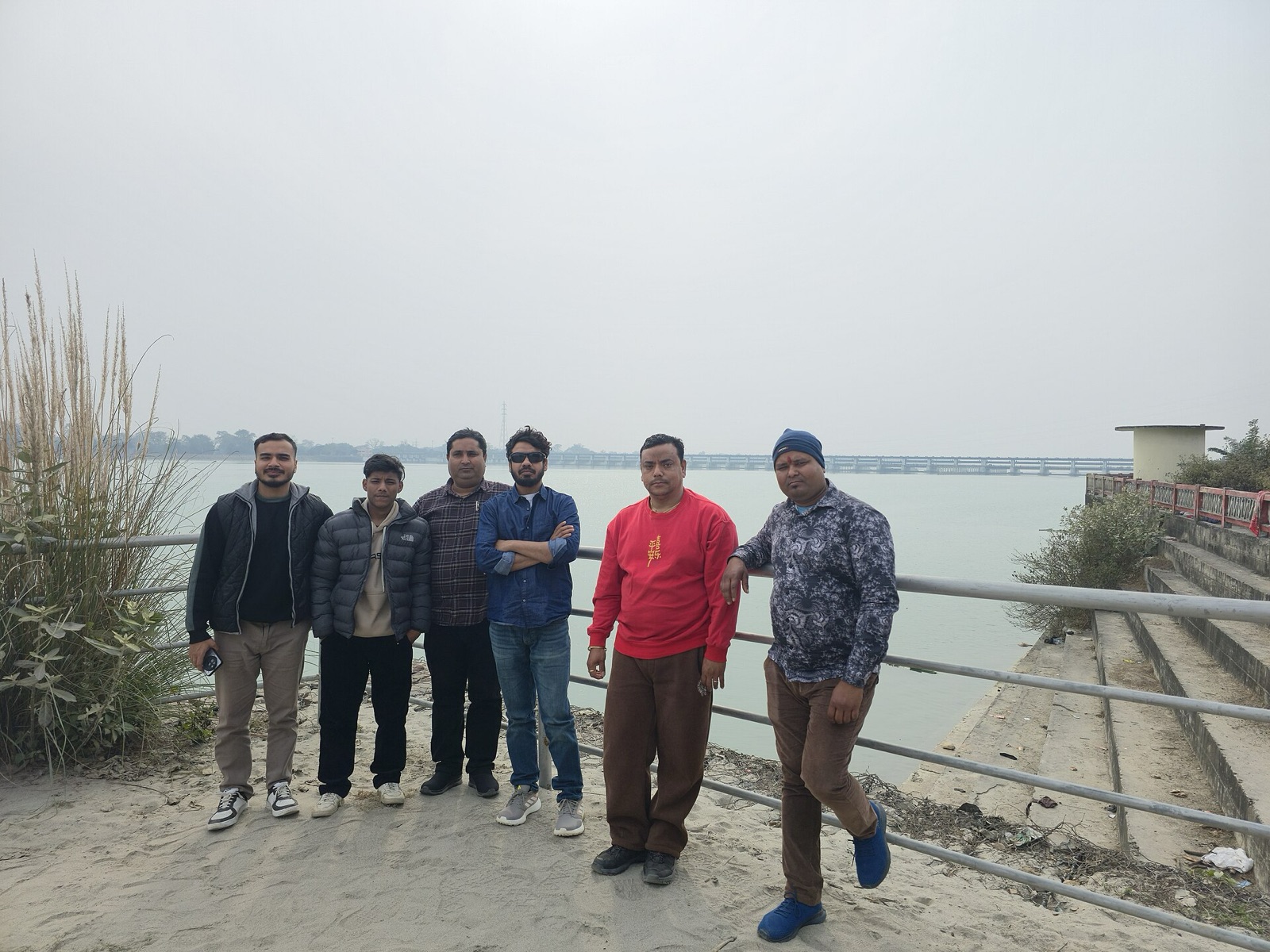
Valmikinagar & Gandak Barrage
A scenic riverside town at Bihar's northern tip on the India–Nepal border, where the Gandak (Narayani) enters India. The Gandak Barrage, a major India–Nepal irrigation and power project, spans the river beside forested hills and the Triveni confluence. Gateway to the Valmiki Tiger Reserve, it blends nature, pilgrimage and crossborder scenery.