Skip to content
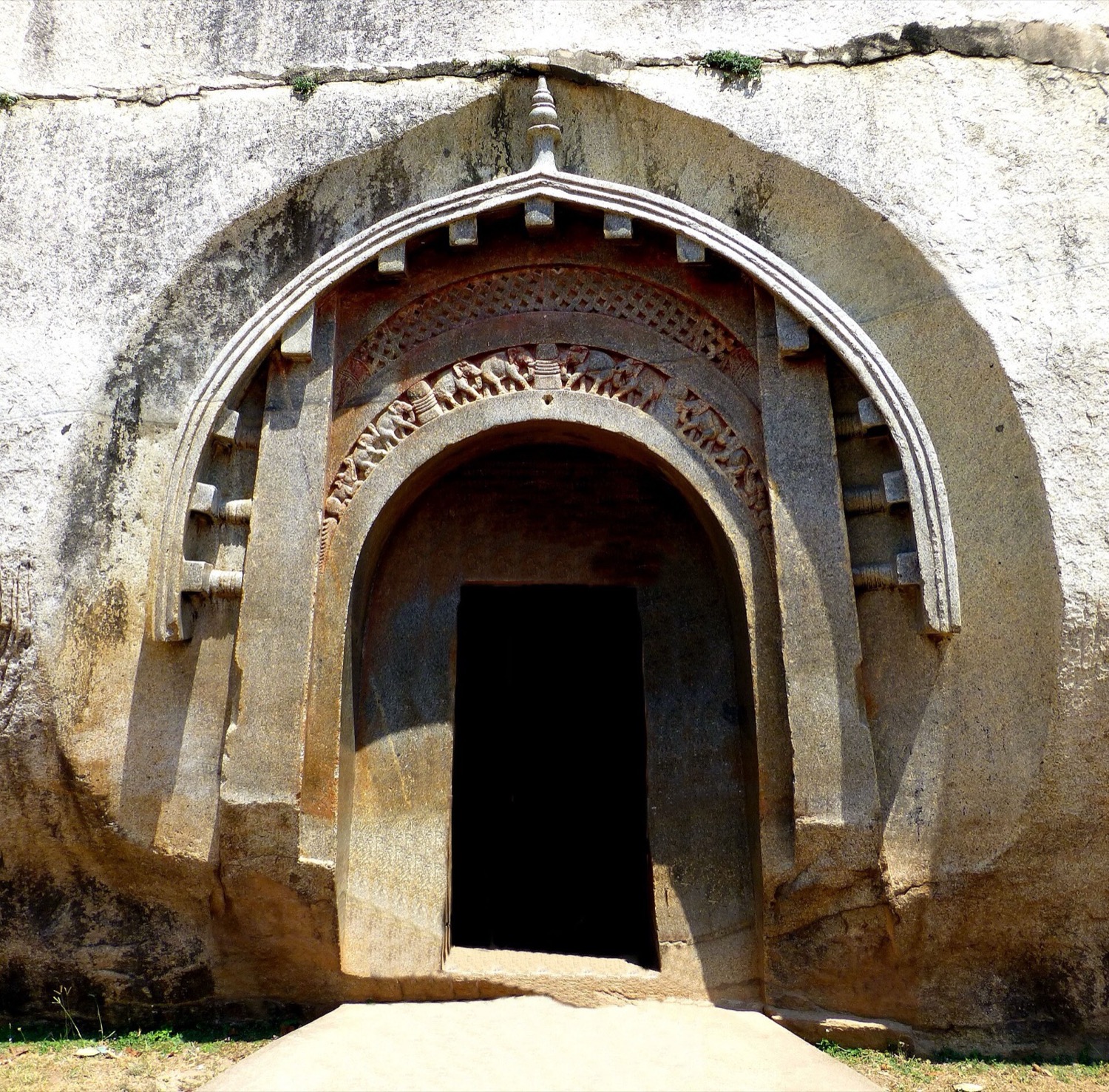
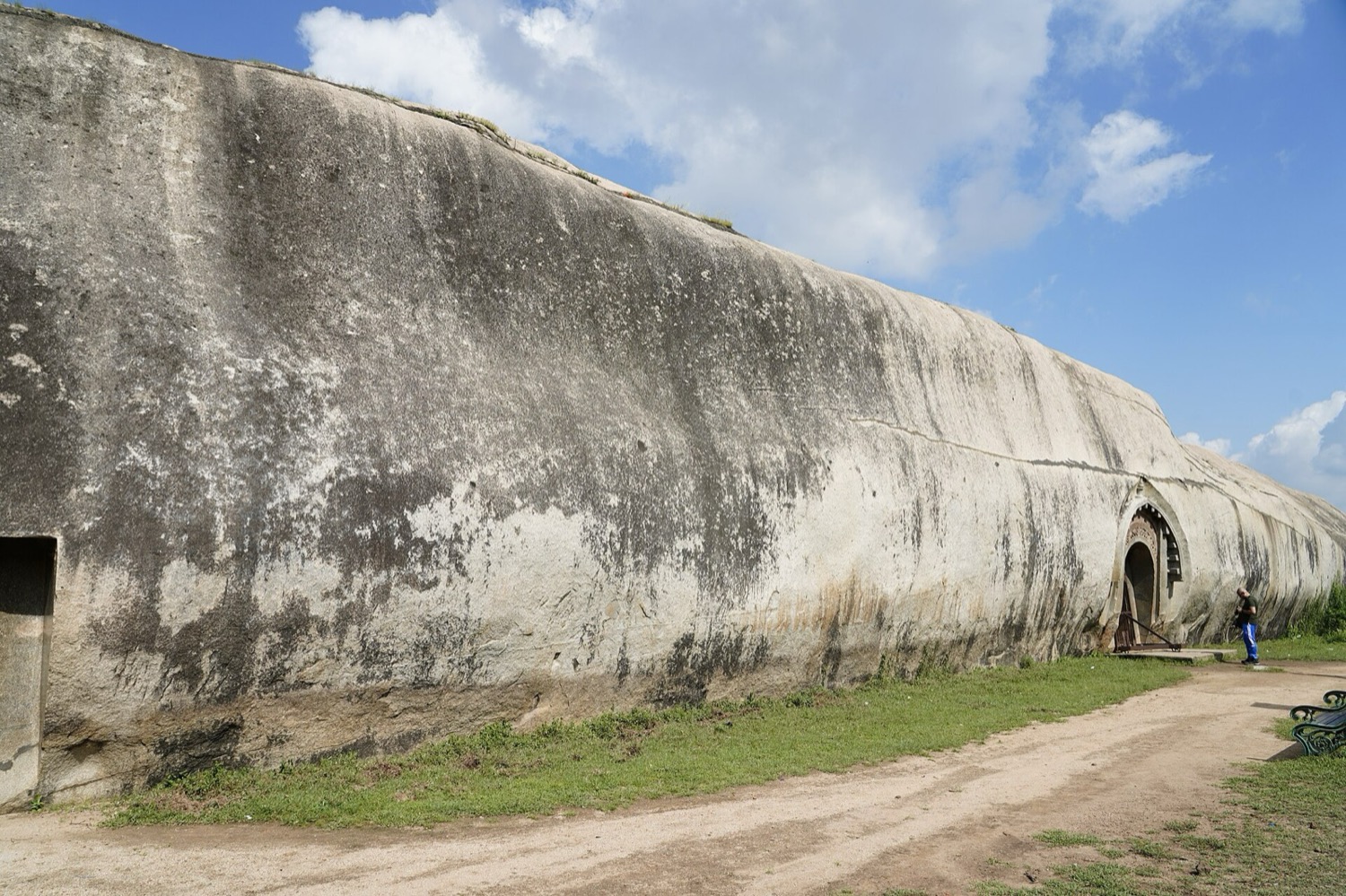
Polished granite entrance to a rock-cut cave in the Barabar Hills

Photo: Photo Dharma from Penang, Malaysia / Wikimedia Commons, CC BY 2.0

📍 Jehanabad, South Bihar, Bihar

Why visit

The Barabar Caves are the oldest surviving rock-cut caves in India, hewn from solid granite during the Mauryan period in the 3rd century BCE. Famous for their astonishing mirror-like polished interiors and remarkable echo, several were dedicated by Emperor Ashoka and his grandson Dasharatha to the Ajivika sect. Their stark beauty is said to have inspired the 'Marabar Caves' of E. M. Forster's novel A Passage to India.

About

Cut into two granite hills — Barabar and the nearby Nagarjuni — these caves consist of simple polished chambers that reflect the extraordinary stone-working skill of Mauryan artisans. The interiors are so smoothly finished that they shine, and clapping produces a deep, resonant echo.

Key things to see:

  • Lomas Rishi Cave — famous for its arched, hut-shaped doorway with a carved elephant frieze.
  • Sudama Cave — an early dedicated cave with a highly polished interior.
  • Karan Chaupar and Visva Zopri caves — other polished Mauryan-era chambers.
  • Nagarjuni Hill caves — nearby caves dedicated by Dasharatha, with Ashokan-style inscriptions.

How to reach

  • By Air: Gaya International Airport (45 km) is nearest; Patna Airport (90 km) has more flights.
  • By Rail: Makhdumpur (Jehanabad) railway station (15 km) is nearest; Gaya Junction (30 km) is a major railhead.
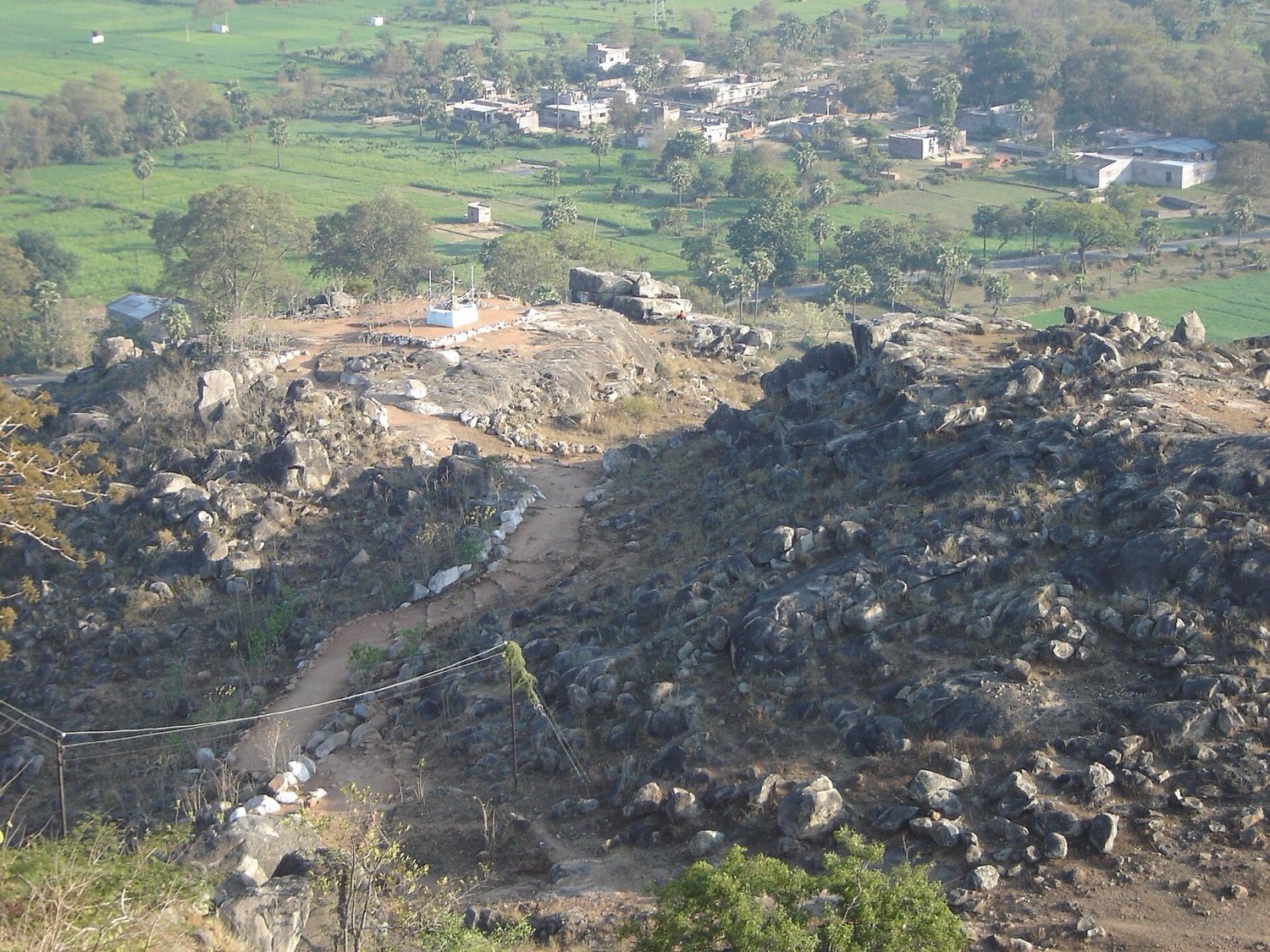
  • By Road: The caves are about 25 km from Jehanabad and 30 km from Gaya; a short hill climb on foot leads to the caves from the parking area.

Best time to visit

October to March; carry water, as reaching the caves involves a short climb.

Gallery

Nearby places

← Back to all places